

The UK's leading supplier of handrailing and metal products
Hinges
Mesh
Steel Sections
Stainless Range
Company History
A fifth generation family business, read the story here....
Brands
We are proud to be associated with world leading brands.....
Liveconfigurator
Design staircases, handrailing and so much more...
Fence Selector
Step by step guidance through our fencing system world.
Wrought Iron
Locks
Tubeclamps
Clearance
Click and Collect
Now available nationwide in Burton, Rainham, Ilkeston, Southampton, Newton-le-Willows, Birmingham, Glasgow and Cardiff.
Catalogue
Order a copy today! Showcasing over 10,000 product lines, in stock and ready for delivery!
Case Studies
See the amazing installations our talented customers have created.
Brundle News
The latest news from F.H.Brundle. Discover amazing customer projects, service updates and product launches right here.
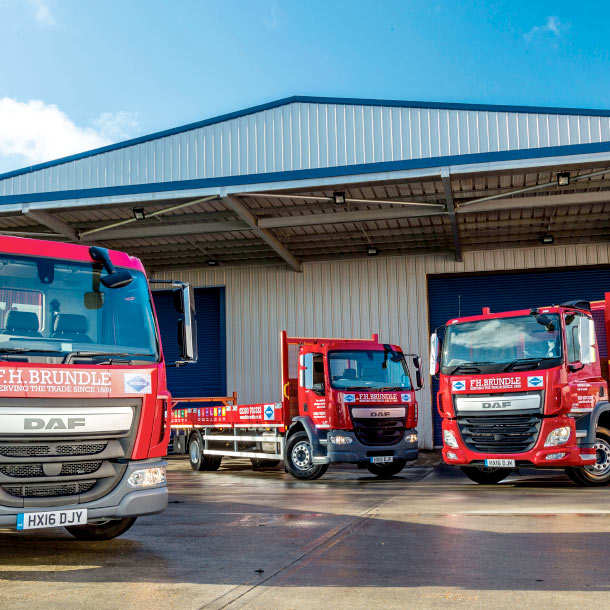
Free Delivery
On orders over £150
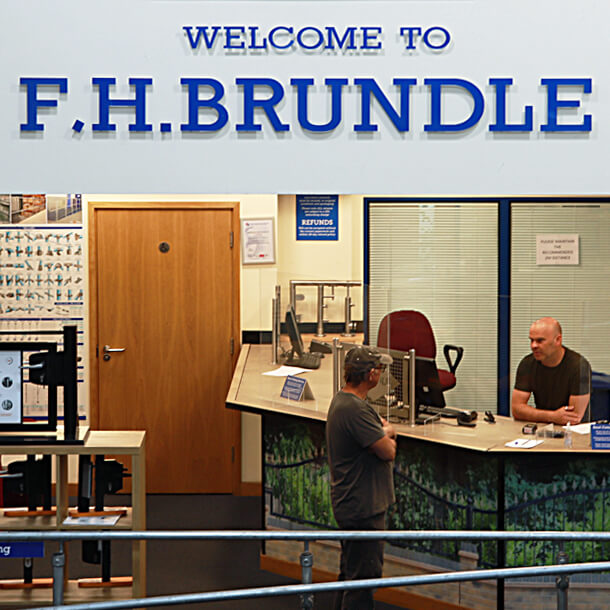
Trade Counter
Collections available
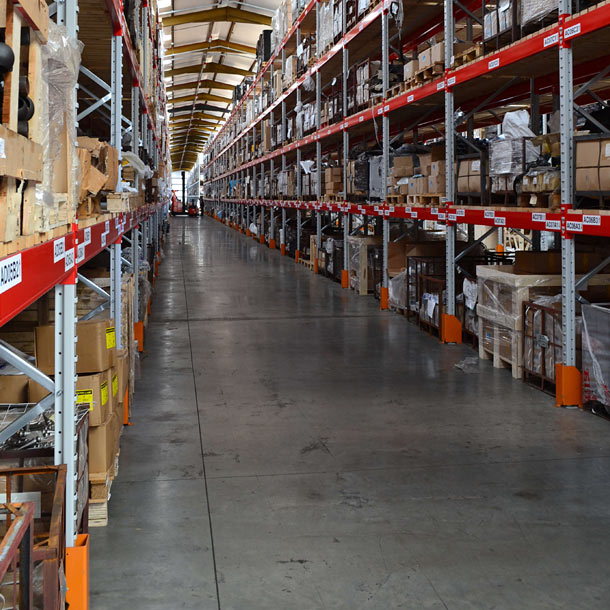
From Stock
Best UK stock availability
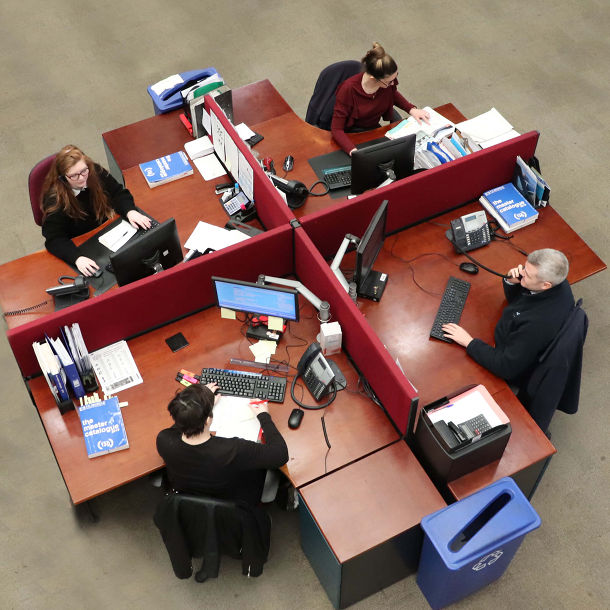
Expert
Sales staff on hand


/NQA-ISO-9001-Logo-UKAS.jpg)