

Welcome to our Powder Coating page, where you’ll find everything you need to know about powder coating and the range of services we offer.
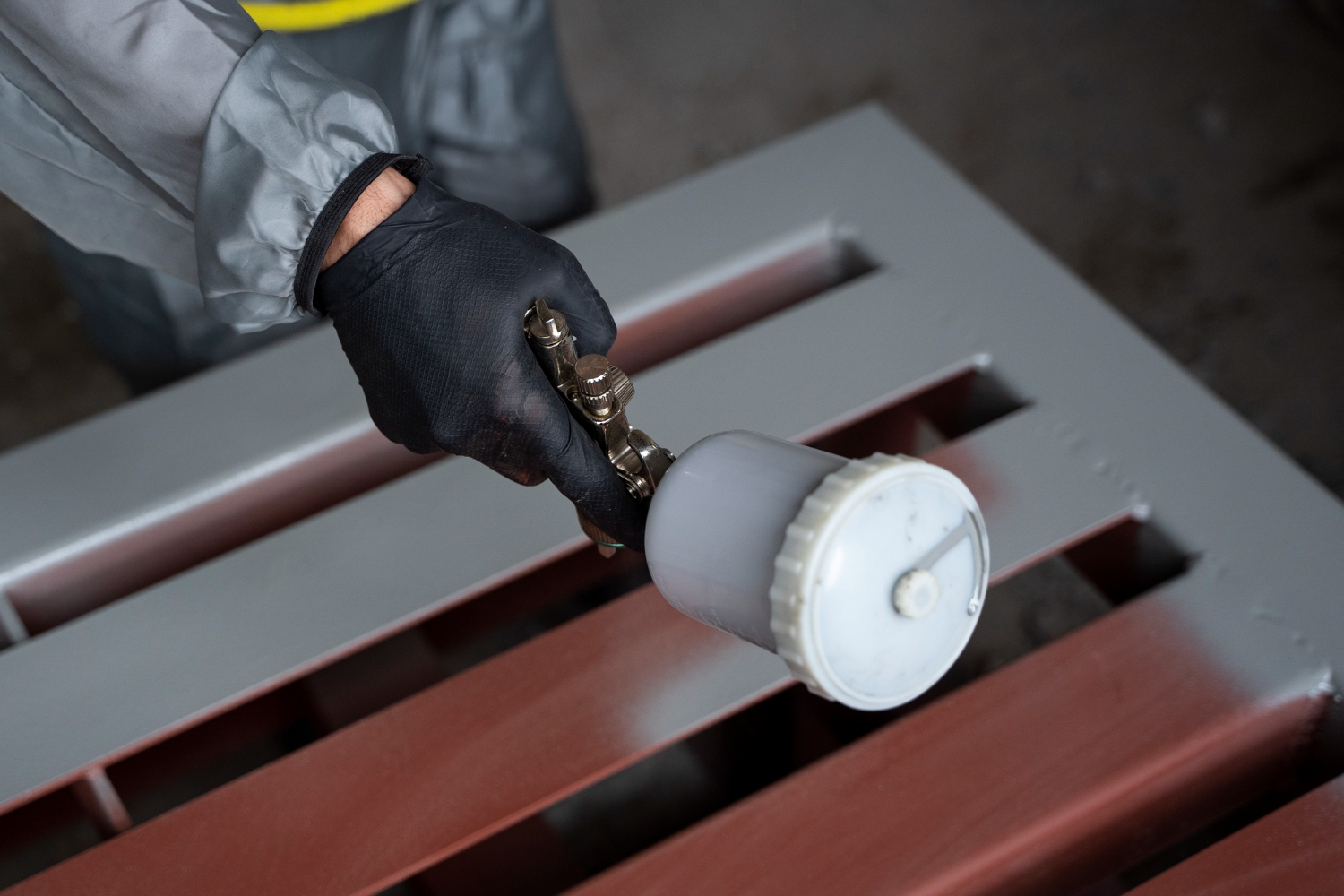
What is Powder Coating?
An alternative to paint and one of the most durable finishes, powder coating is an increasingly popular method of providing a protective and decorative coating to many products or equipment. Usually longer lasting than conventional liquid paints, a powder coat is a dry material that will not drip or run upon application. It is longer lasting and offers higher resistance to corrosion, chemicals and impact, providing greater protection from fading and general wear. Most commonly applied to metals such as steel, stainless steel or aluminium. However, the process is also suitable for non-metallic materials such as wood and glass provided the materials being treated can withstand the curing stage without melting or burning.
The powder coat process requires the application of electrostatically charged particles (polymer resin powder and pigment) onto the surface of the cleaned and pre-treated substrate, usually by using a spray gun or in a spray booth, melted and then hardened (curing) in a specially designed oven, resulting in the formation of a protective skin.
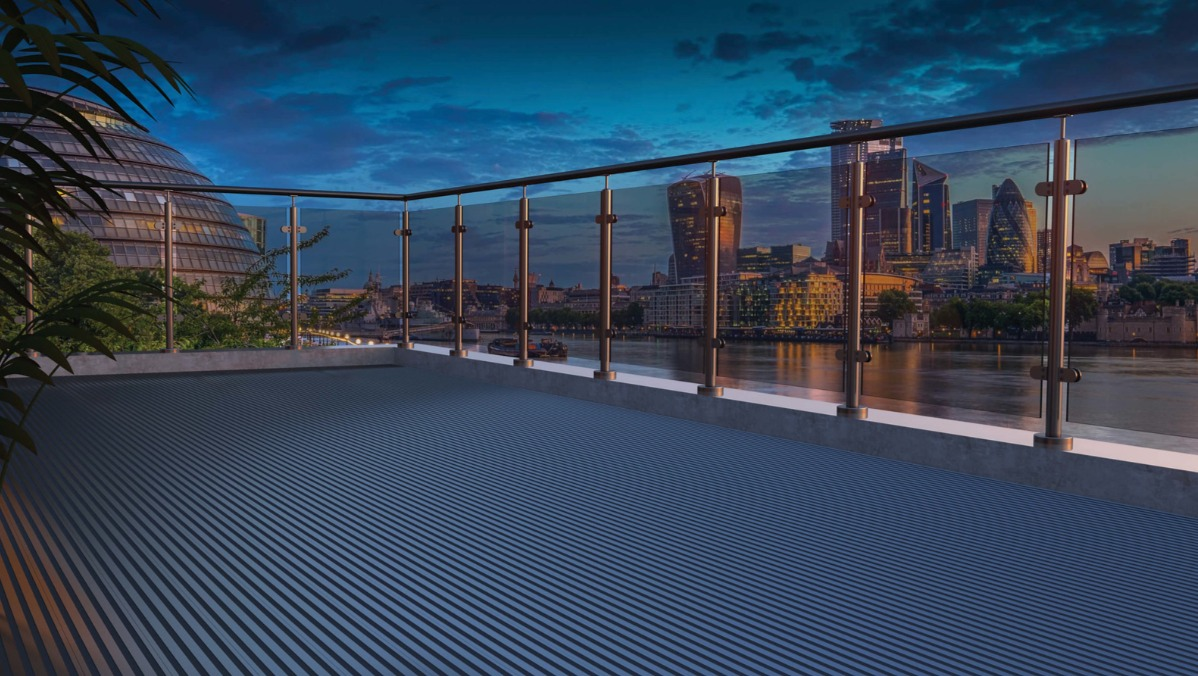
Advantages of Powder Coating?
The powder coating process is extremely efficient with the majority of projects requiring only one coat, helping to keep cost low. Greater thicknesses can be achieved than with liquid paints, helping meet protective requirements.
Where aesthetics is important, powder coating is the perfect choice, unlike traditional paints, it will not flake or chip and is more corrosion resistant. Powder coating is an excellent choice for applications where aesthetic appeal is important.
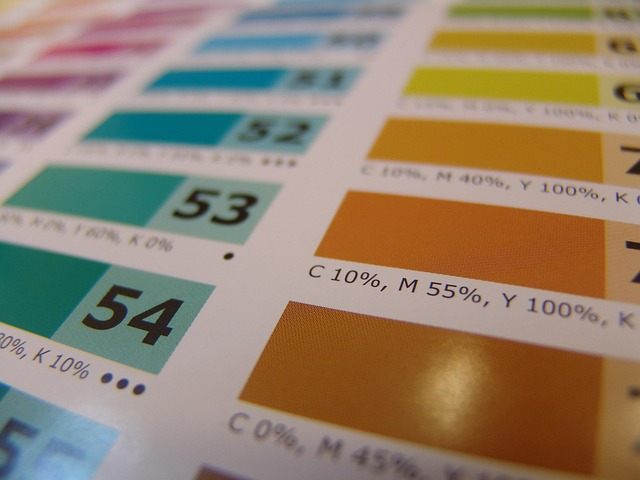
Powder coatings can be applied in thicknesses that are not easily achievable through conventional liquid coating methods. It can be manufactured in any RAL colour and in a range of finishes and can be applied for protective or decorative purposes.
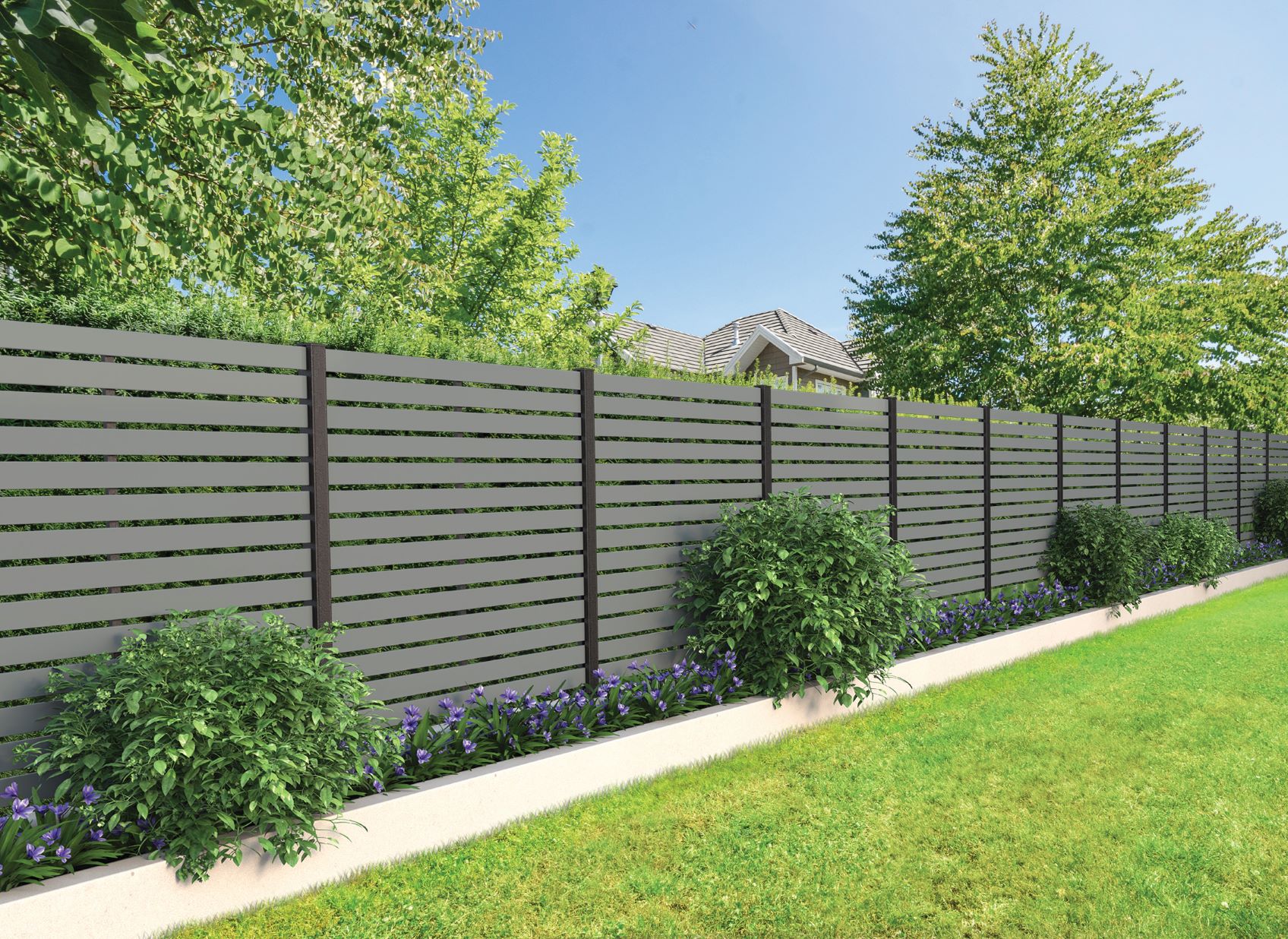
How Durable is Powder Coating?
This is without a doubt one of the most durable coatings available for a range of materials. It can withstand intense weather and physical force, making it scratch, abrasion, and chip resistant. Although powder coating can last up to 20 years, the product’s lifespan will be affected by certain factors such as the environment, UV exposure, extreme weather conditions and the type of powder coating used.
Types of Powder Coatings
- Epoxies – exceptionally durable, offer excellent hardness they perhaps have the best chemical and corrosion resistance of any powder on the market.
- Polyesters – the most commonly used powders, offering excellent value for money.
- Super Durable Polyesters – As the name suggests these excellent value powders offer superior durability when compared with a standard polyester.
- Epoxy-Polyester Hybrids – these hybrids remain closely related to pure epoxies but offer superior weather resistance properties.
- Fluoropolymers – typically used in architectural markets due to their phenomenal weathering properties and world-class colourand gloss retention.
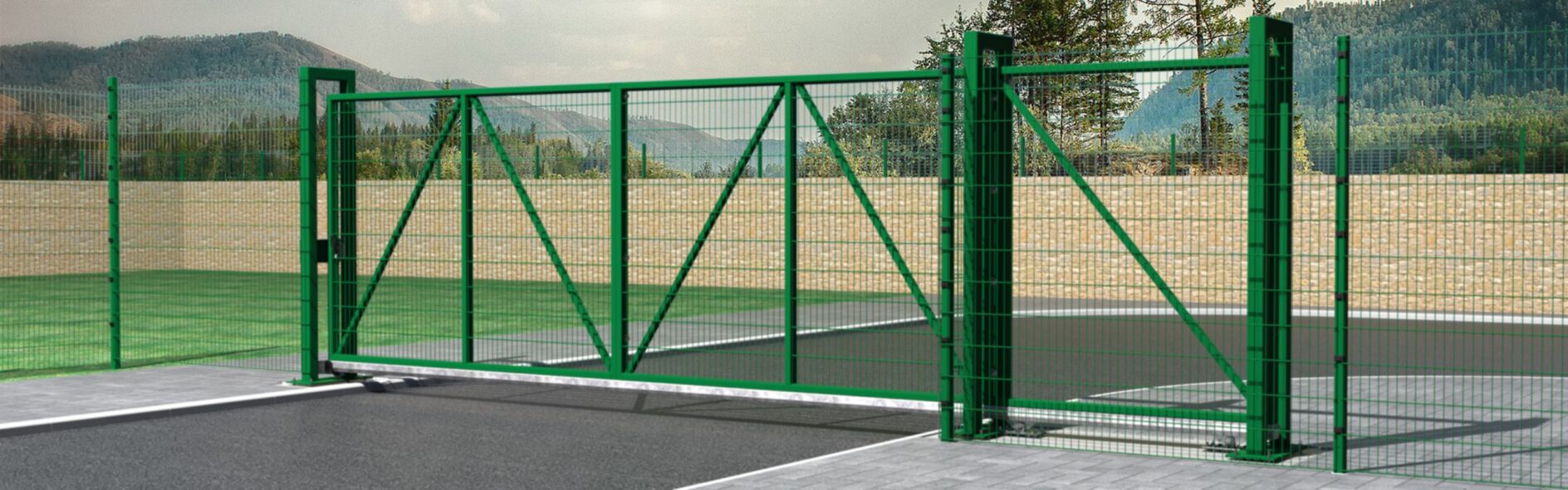
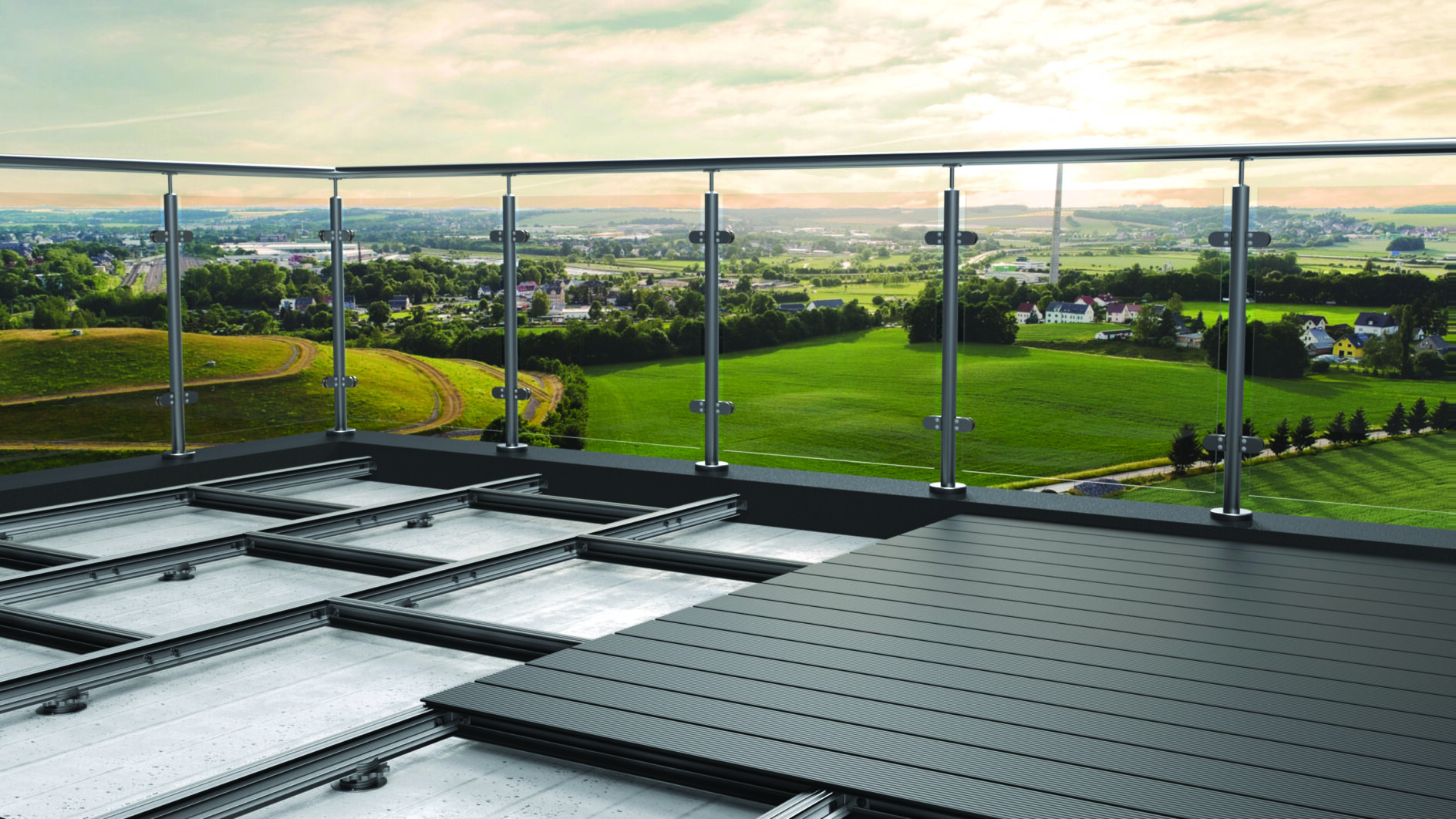
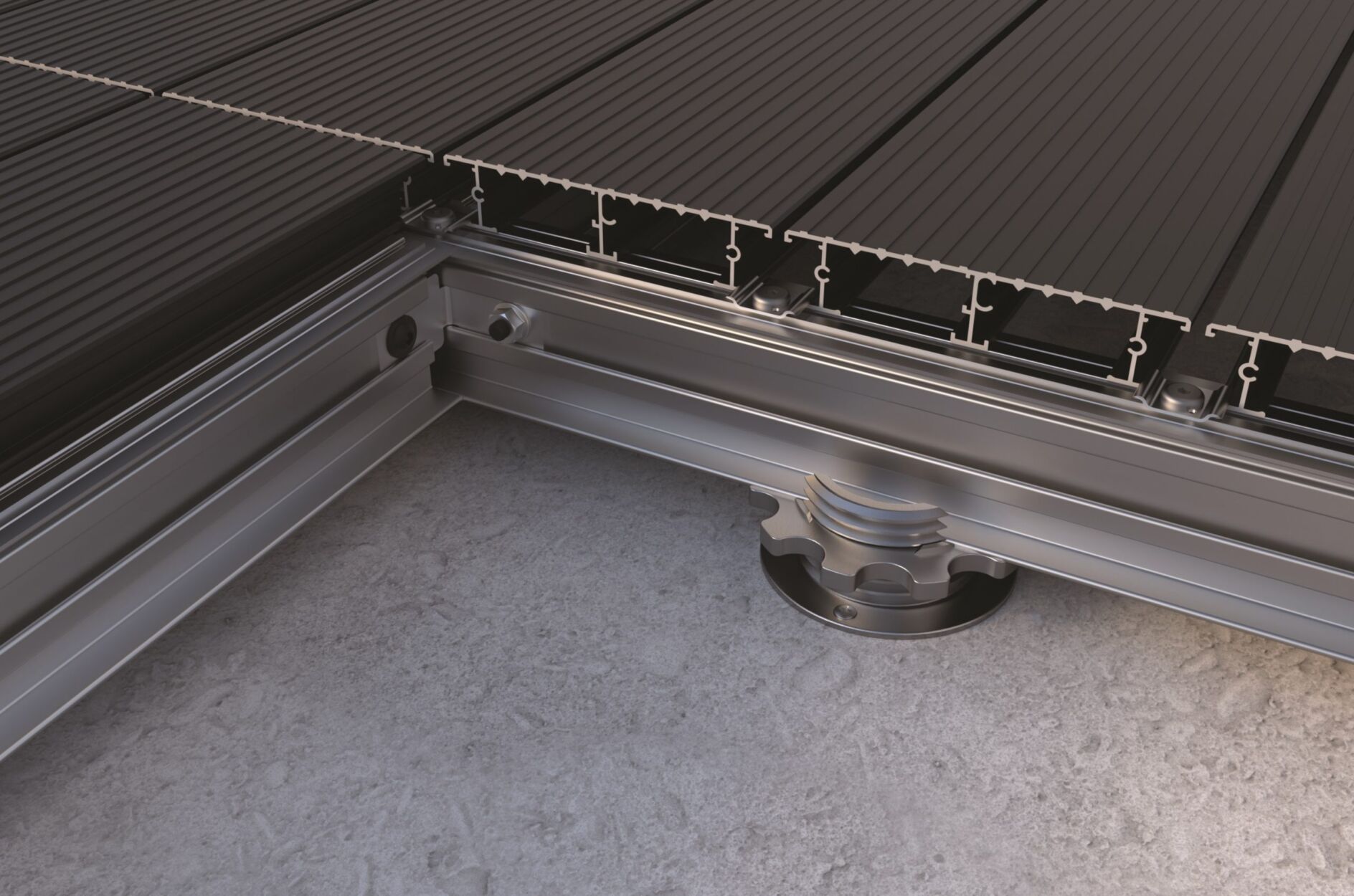
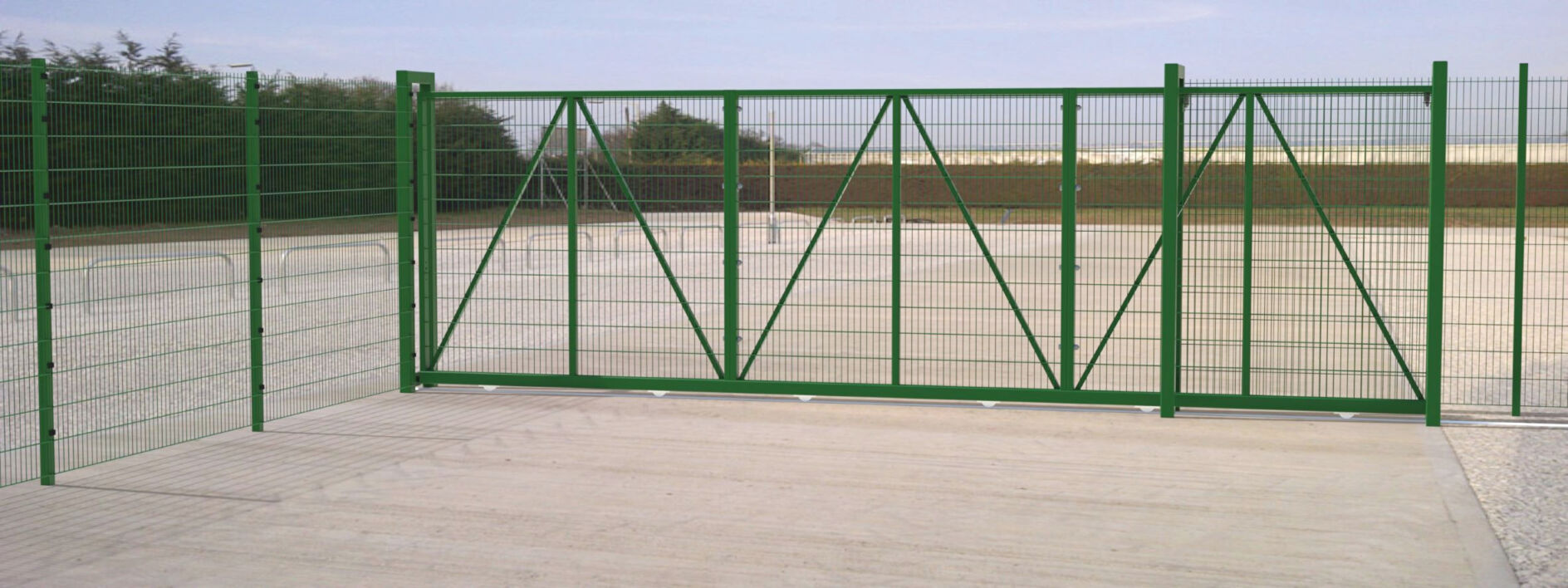
At F.H. Brundle we stock and supply a wide variety of PPC products including many fencing systems and handrailing systems, Juliet balconies, tube and tube clamps, locks, wire mesh, glass spigots etc.
What Can F.H. Brundle Provide?
Powder-Coating Aftercare
Cleaning Powder or Painted Products
Whatever the finish on your products to get the best life expectancy from them, we recommend that you should check them over every few months and give them an occasional wash. We have touch-up paints and aerosols for any scratches or wear and tear damage that may occur.
N.B. We do not recommend using bleach for cleaning as this can be harmful and can cause discoloration.
Cleaning Powder Coated Products:
Wash well at annual intervals, with soap if necessary, and wax the clean, dry surface with a thin layer as you would a car. When the wax is dry polish off with a soft cloth to restore the appearance. This is even more important in coastal region and the frequency should be increased up to four times a year as required.
- It’s best to start by wiping the surface gently with a wet sponge to remove any loose dirt and debris. You can also use a soft brush for this purpose. A wire brush would be too harsh since it would also remove the finish. You should try to remove most of the surface dirt and dust if you can.
- Next remove salt and any other deposits from the surface of the fence and gate with a soft brush and a mild household detergent.
- Choose a detergent that is free from both solvents and petroleum-based chemicals when cleaning your powder-coated fence. The product you use should be safe for your skin. If you need to protect your skin by wearing gloves when using the product, it’s probably to harsh for the gate, fence or railings.
- Thoroughly rinse the fence or gate using lukewarm water. Next, allow it to either dry naturally or use a clean, dry cloth to dry it off if you would like to get a cleaner look.
- Ensure it is thoroughly dry before touching-up any scratches or blemishes if necessary.
Cleaning Painted Products:
- Wash well at least once a year depending on your location. You can use a mild soap in warm water. Remove any dust, dirt, or green algae (which can sometimes be found in shady areas or under trees). In severe cases there are products which will remove moss and algae.
- Thoroughly rinse the fence or gate using lukewarm water. Next, allow it to either dry naturally or use a clean, dry cloth to dry it off if you would like to get a cleaner look.
- Ensure it is thoroughly dry before touching-up any scratches or blemishes if necessary.
Overcoating Powder or Paint
Although powder coating will last for many years eventually it might require refreshing, and painting can help seal any scratches or chips, refresh the appearance, and help to extend the life of the product. Powder coating has a smooth finish, so you should always increase the adhesion capabilities by sanding and applying an appropriate primer. Success will lie in the preparation. Painting over powder coating requires a little more preparation, but it is possible to achieve a long-lasting, beautiful finish.
N.B. Because paints can vary, we would always suggest testing a small area first.
- Always ensure that any loose material, dirt or grease is removed as this will allow better adhesion.
- Next use a cleaner or degreaser with a power washer or with a soft brush.
- Rinse well and allow to dry thoroughly before sanding the surface with a fine grit sandpaper (around180-220 grit) to aid adhesion. The aim is not to remove the powder coat but to roughen the surface.
- Make sure any dust is removed.
- The next step then depends on the top coat you will be using, and whether is it a vinyl such as FH Brundle’s Vinylast™ which might go straight on or whether it is a water based or white spirit based which may require a specialist primer. There are a number of specialist primers which are available on the internet, such as Zinsser Bulls Eye 1-2-3 Primer, but they are not recommended for applying beneath Vinylast™.
- If you are using primer, follow instructions, and wait to dry before applying paint. This will create a bond for your top coat.
- Apply the top coat, which may need several coats, allowing to dry between each coat.
- If you chose Vinylast™ as the top coat simply apply to a dry film thickness of 80 microns. A range of colours is available from stock or any RAL or BS colour can be made to order.
Over-painting Liquid Paint:
Different types of paint may require different repainting techniques. For example, our Vinylast™ products simply require the work to be clean and dry and then you can simply add another coat to refresh the appearance and protect your fence, gates or balustrades for many more years. However, enamels and glossy finishes may require sanding, an undercoat or primer, and a topcoat, as painting on gloss may reduce adhesion.
- Always ensure that any dirt or grease is removed and make sure your work is dry before starting as this will allow better adhesion. There are products which can do this, but you could also try the eco-friendly method of using a mixture of white vinegar and water.
- If your fence or gates have signs of green algae or moss, this must be removed before painting.
- Because different paints can vary, we would always suggest testing a small area first, especially if the existing paint is unknown.


/NQA-ISO-9001-Logo-UKAS.jpg)