Why choose Pedestrian Barriers?
What are Pedestrian Barriers?
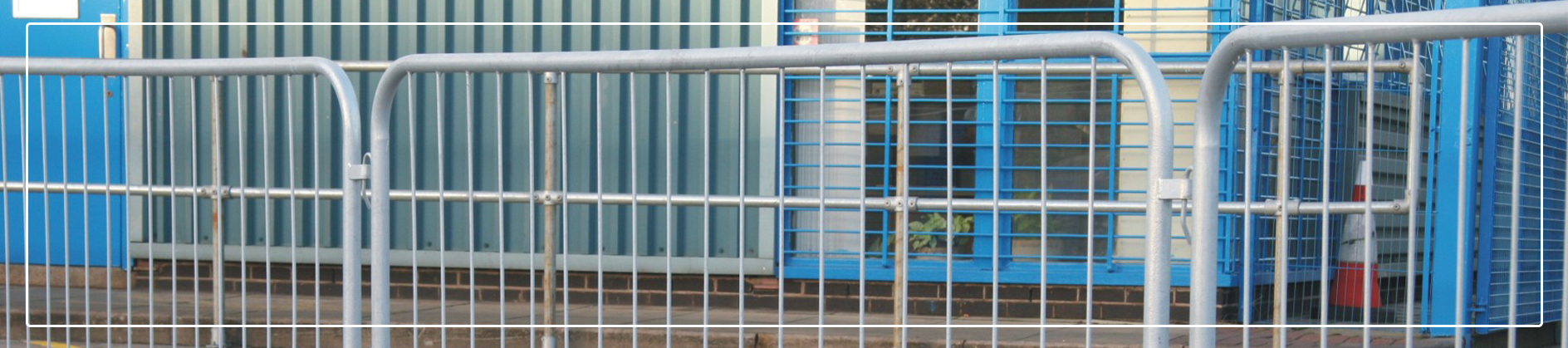
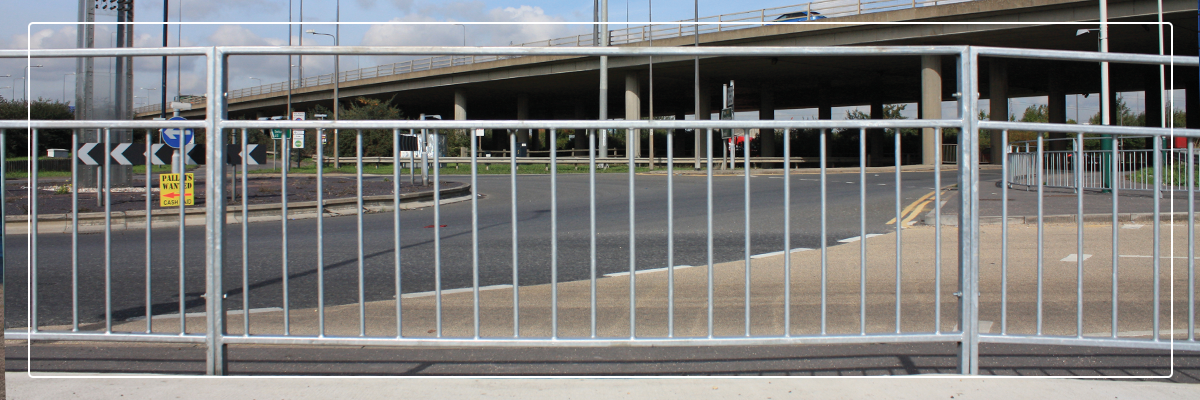
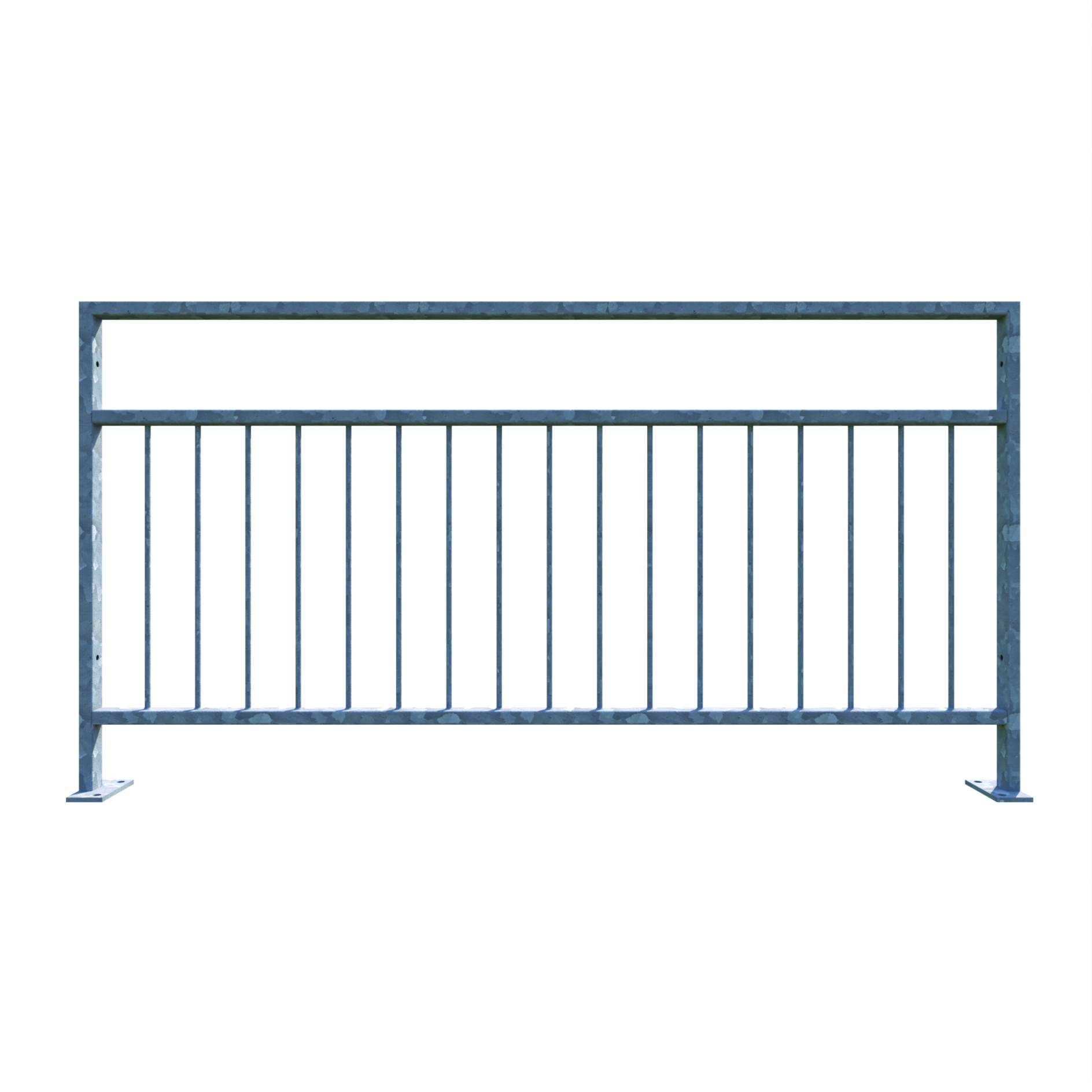
Pedestrian Barriers are heavy-duty, fully welded fencing rail systems designed to control and guide foot traffic while ensuring safety in public or commercial spaces. Structurally, pedestrian safety barriers are built for durability, featuring a fully welded construction and a hot-dip galvanised finish to protect against the elements, weather, and corrosion.
For continuous security setups, the panels are manufactured with
pre-drilled through-holes on the framework, allowing multiple units to be seamlessly bolted together. They are supplied as a complete safety solution, arriving with all the necessary fixing bolts required to secure the individual barrier panels together on-site.
What are the choices when it comes to Pedestrian Barriers?
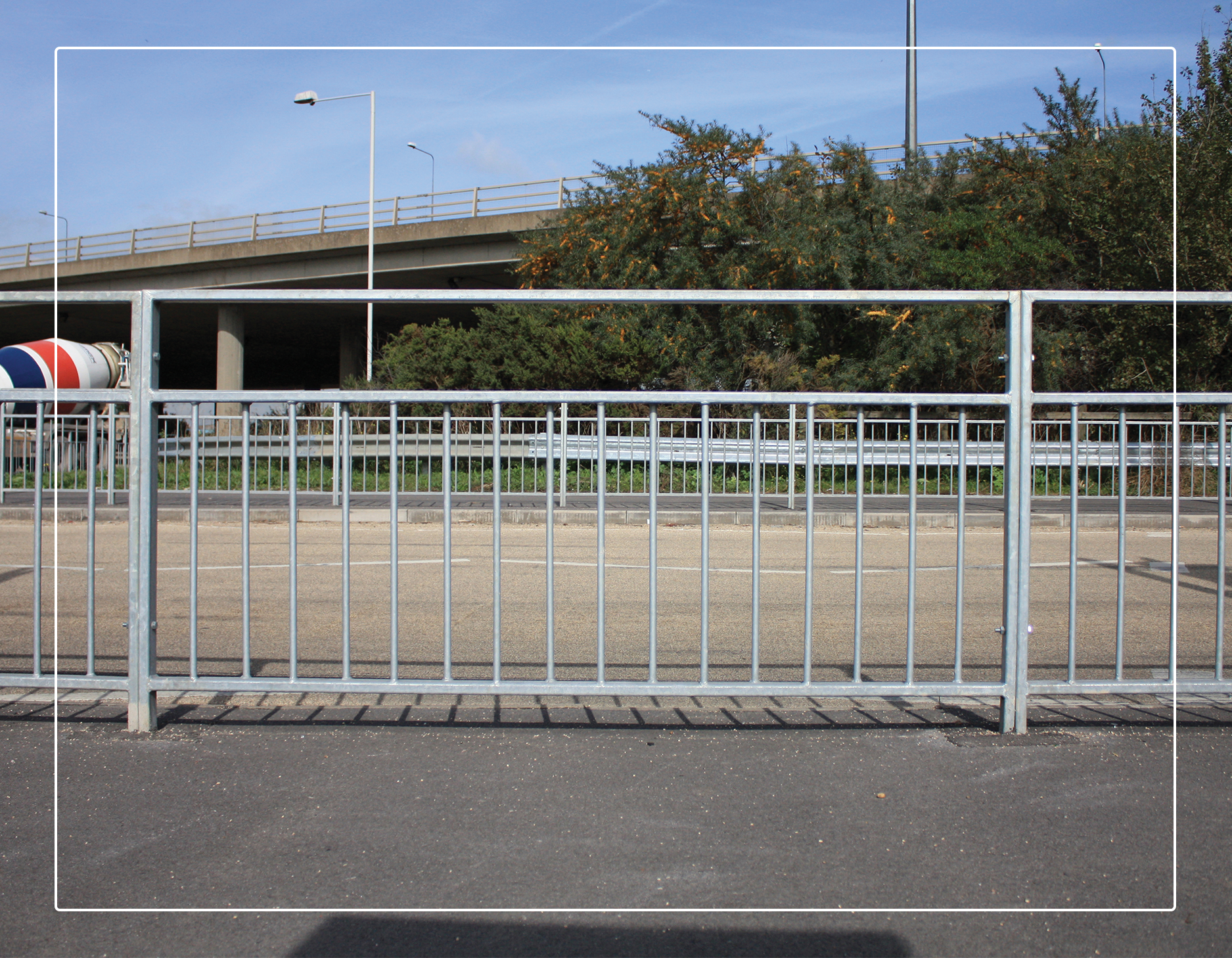
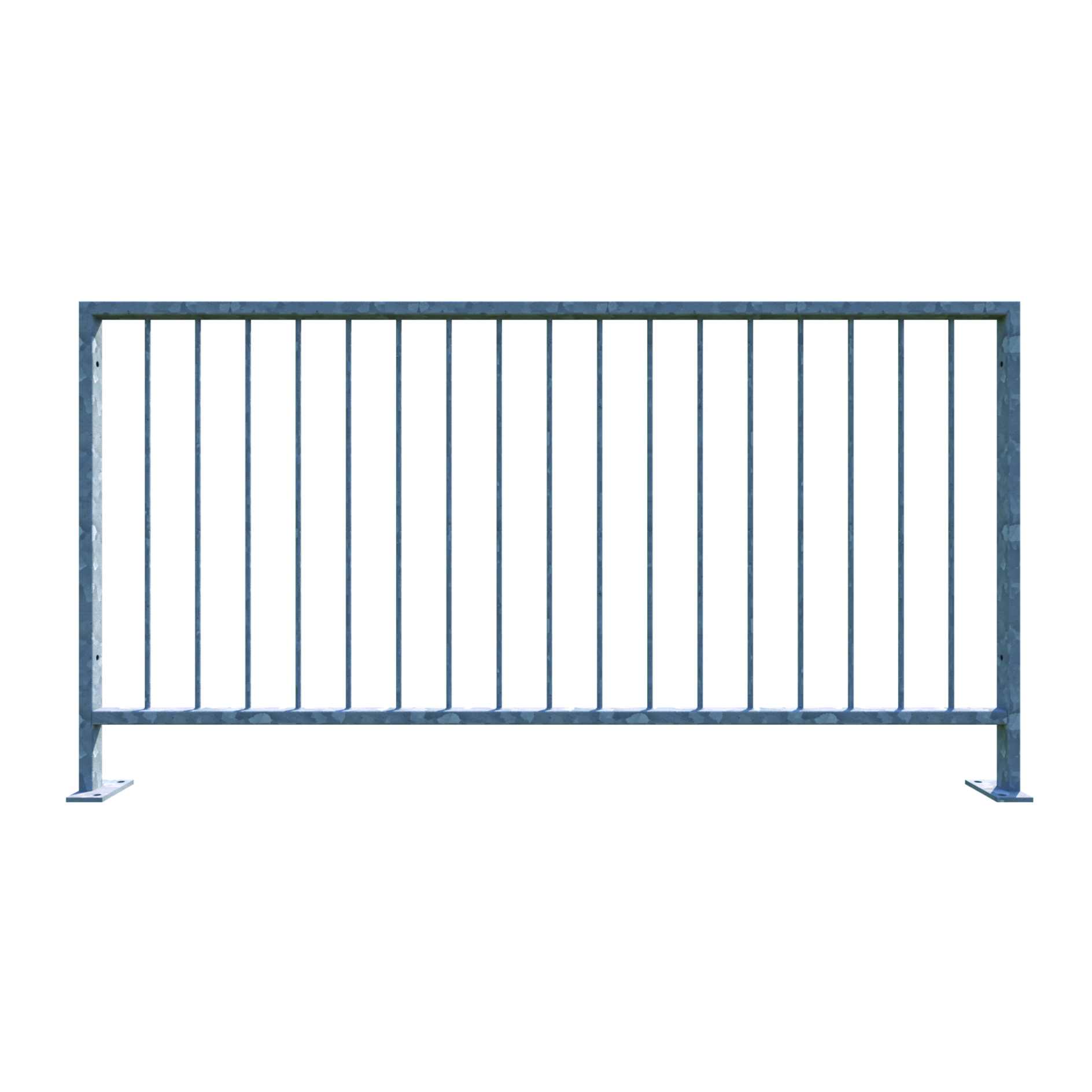
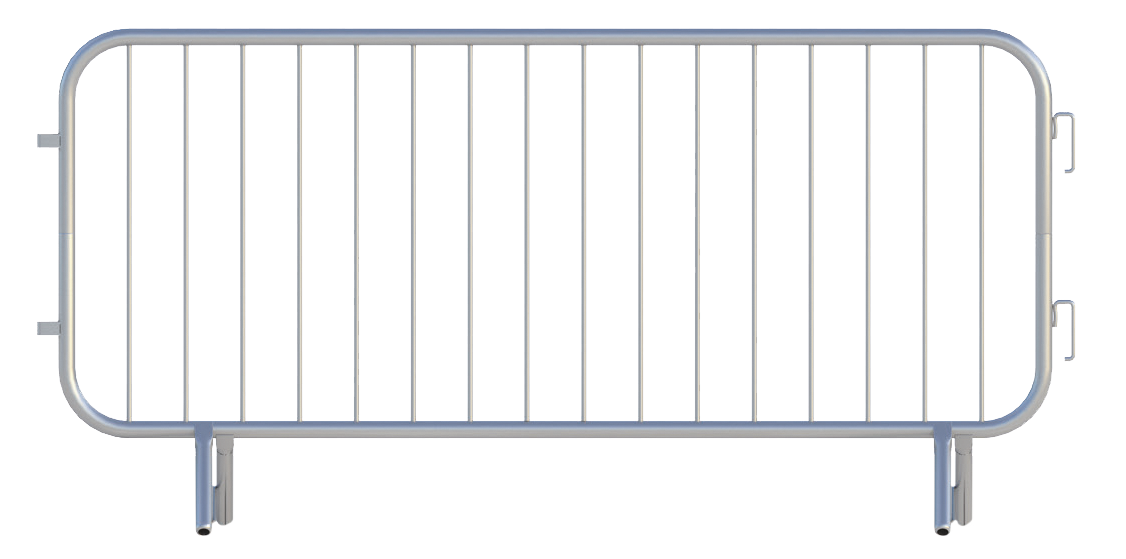
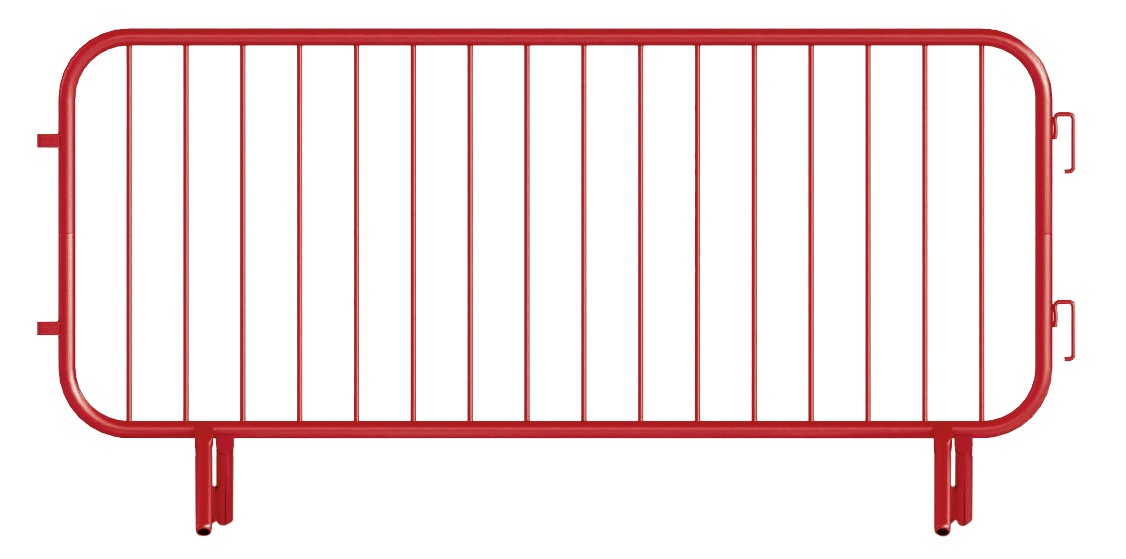
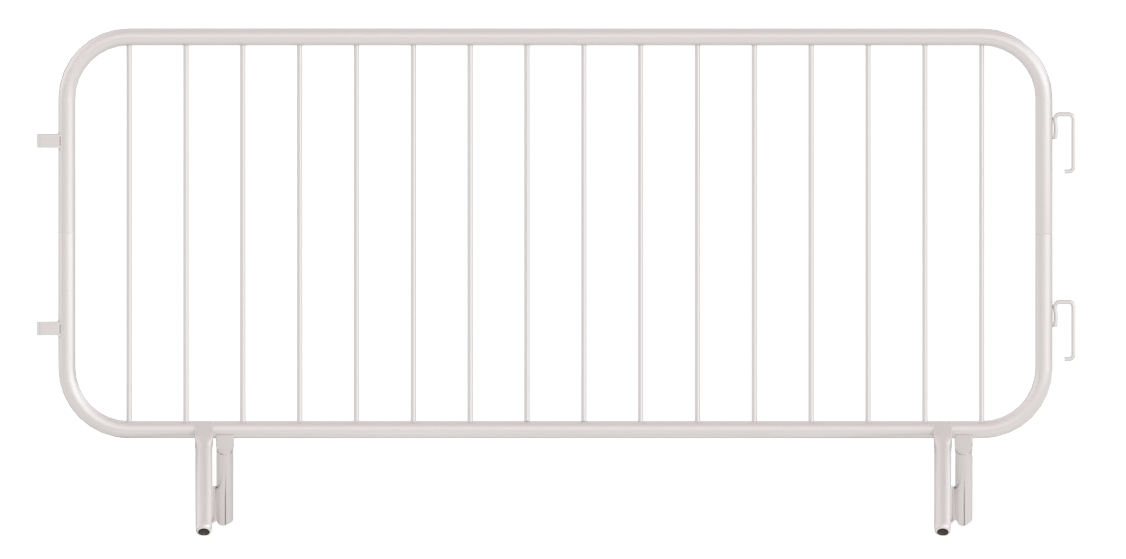
At F.H.Brundle, we offer the options between concrete-in or bolt-down Pedestrian Barriers available in 1-metre (half-panel) or 2-metre (full-panel) lengths. You can also choose between a full-bar layout, or with a visibility gap, alongside portable fixed-leg crowd control barriers with optional walk-through gates.
| Feature Category | Key Benefit | Detail |
|---|---|---|
| Fixing Method | Flexibility for permanent installation based on the ground surface. | Choose between Concrete-In to cast directly into foundations, or Bolt-Down panels featuring pre-welded base plates for hard surfaces. |
| Infill Design & Visibility | Maximises pedestrian safety and driver awareness depending on the site. | Choose standard with full vertical infill bars, or visibility gap which leaves a 200mm top opening to improve sightlines at junctions. |
| Panel Length | Allows layouts to be customised to specific site dimensions. | Standard panels are 2m long for establishing longer boundaries, supplemented by 1m long panels to complete shorter gaps. |
| Mobility & Portability | Enables temporary crowd control and rapid site reconfigurations. | Includes lightweight Fixed-Leg Barriers for easy stacking/storage, and Walk-Through Barriers with integrated gates finished in a red powder coating. |
| Construction & Assembly | Delivers long-term durability and simplified on-site installation. | Built with fully welded, hot-dip galvanised 50 x 30mm rectangular hollow sections that measure 1.05m high and feature 13mm through-holes to bolt adjoining panels together. |
Where can Pedestrian Barriers be used?
Pedestrian Barriers are designed to suit all site conditions and can be used in the following locations:
• Road Junctions and crossings
• Perimeters and boundary lines
• Construction and construction sites
• Events and public spaces
Why are Pedestrian Barriers so popular?
Pedestrian Barriers are highly popular because they combine heavy-duty, hot-dip galvanised durability with adaptable fixing and visibility options suited for both permanent and temporary site safety.
(1) Versatility for All Site Conditions: They are designed to suit virtually any environment. With options for both permanent installations (concrete-in for ground foundations and bolt-down with base plates for hard surfaces) as well as temporary portable options, they accommodate a massive variety of layouts and locations.
(2) Long-Term Durability: The permanent barriers are constructed from fully welded, heavy-duty 50 x 30mm rectangular hollow steel sections and are hot-dip galvanised. This protects the steel from weather and rust, making them an incredibly long-lasting, low-maintenance safety investment.
(3) Targeted Safety and Visibility Designs: They offer specific configurations tailored to high-risk areas. For instance, the Visibility Gap barrier features a 200mm open gap at the top specifically to improve sightlines between oncoming drivers and pedestrians at busy road junctions and crossings.
(4) Ease of Assembly: Installation and expansion are incredibly straightforward. The panels come complete with fixing bolts and feature built-in 13mm diameter through-holes, allowing multiple panels to be effortlessly bolted together into a continuous, secure boundary line.
(5) Effective Crowd and Access Management: For short-term needs, the availability of lightweight, easily stackable fixed-leg barriers and specialised walk-through gates makes them the go-to choice for rapidly setting up queues, construction perimeters, and clear event access points.