Why choose Anti-slip Flooring & Stair Treads?
What is Anti-slip Flooring & Anti-slip Stair Treads?
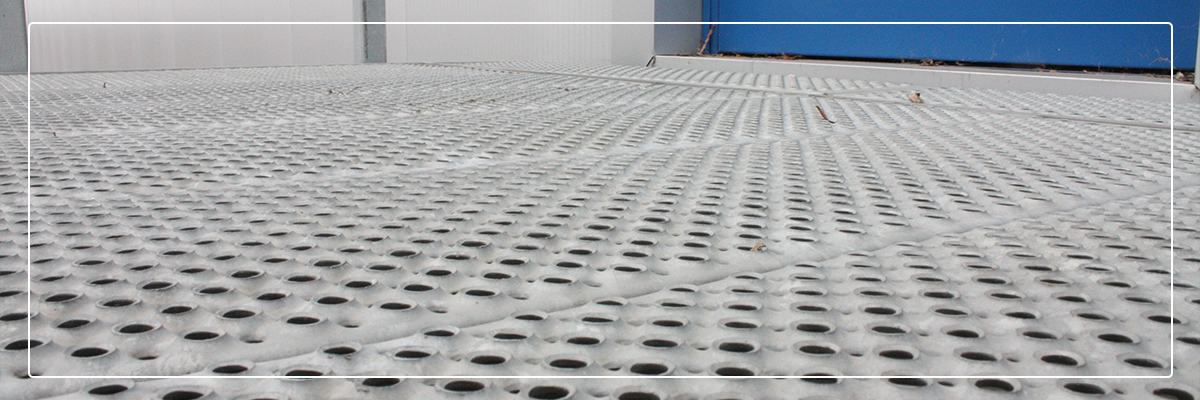
Anti-slip Flooring and Stair Treads, are premium flooring components specifically engineered to maximise traction and durability across all types of industrial, commercial, and residential environments.
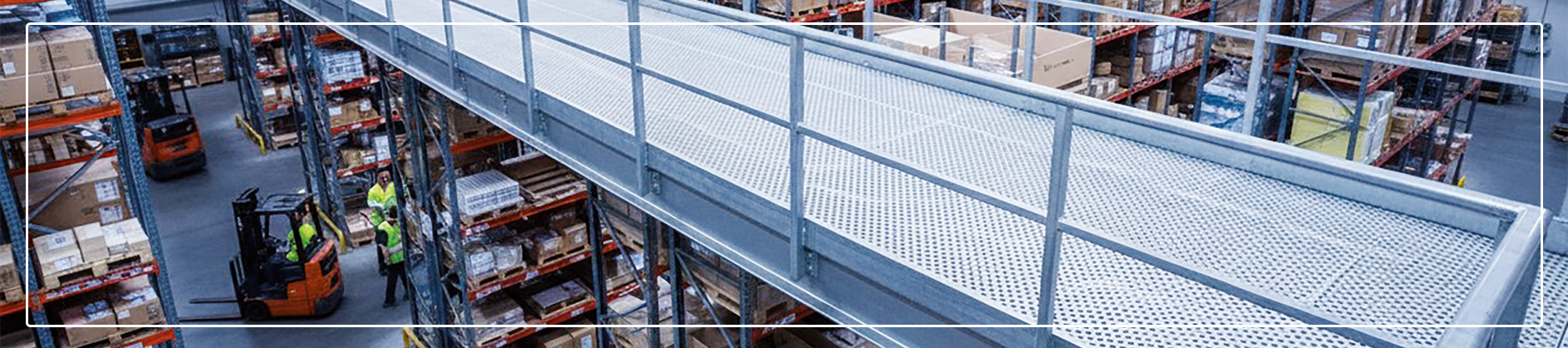
Ideal for heavy-traffic applications like mezzanine floor structures, bridges, ramps, and walkways, these lightweight planks provide a highly stable, low-maintenance footing that dramatically reduces the risk of slips and falls.
What are the choices when it comes to
Anti-slip Flooring & Stair Treads?
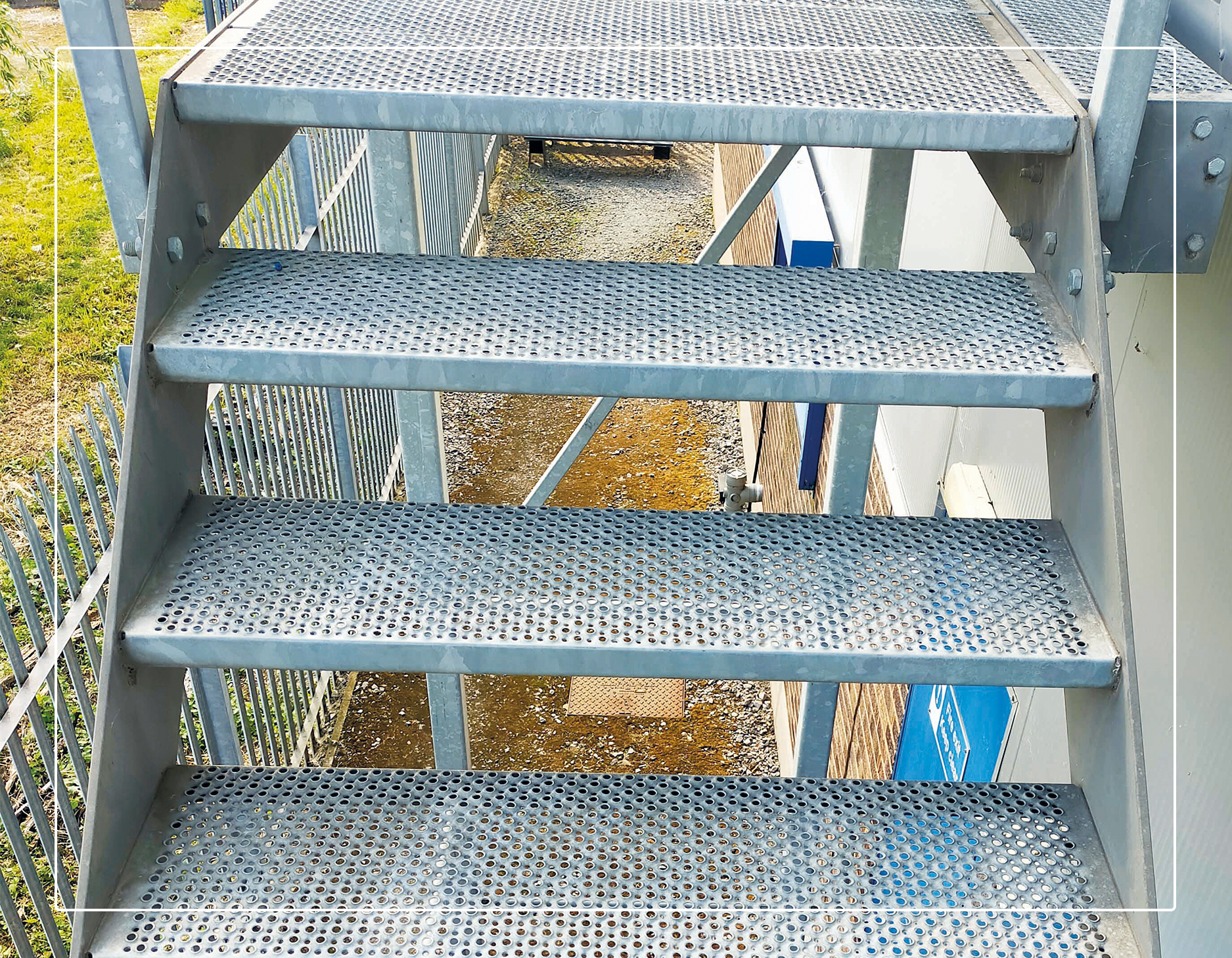
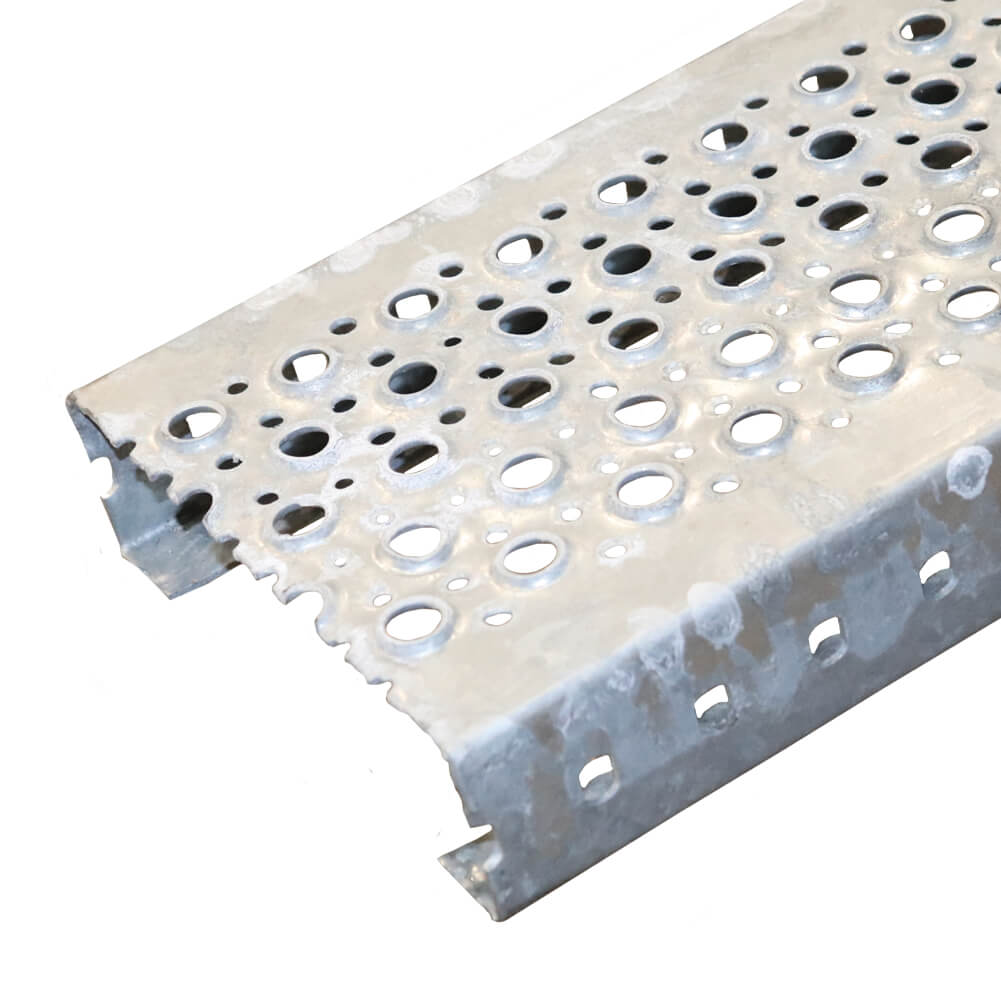
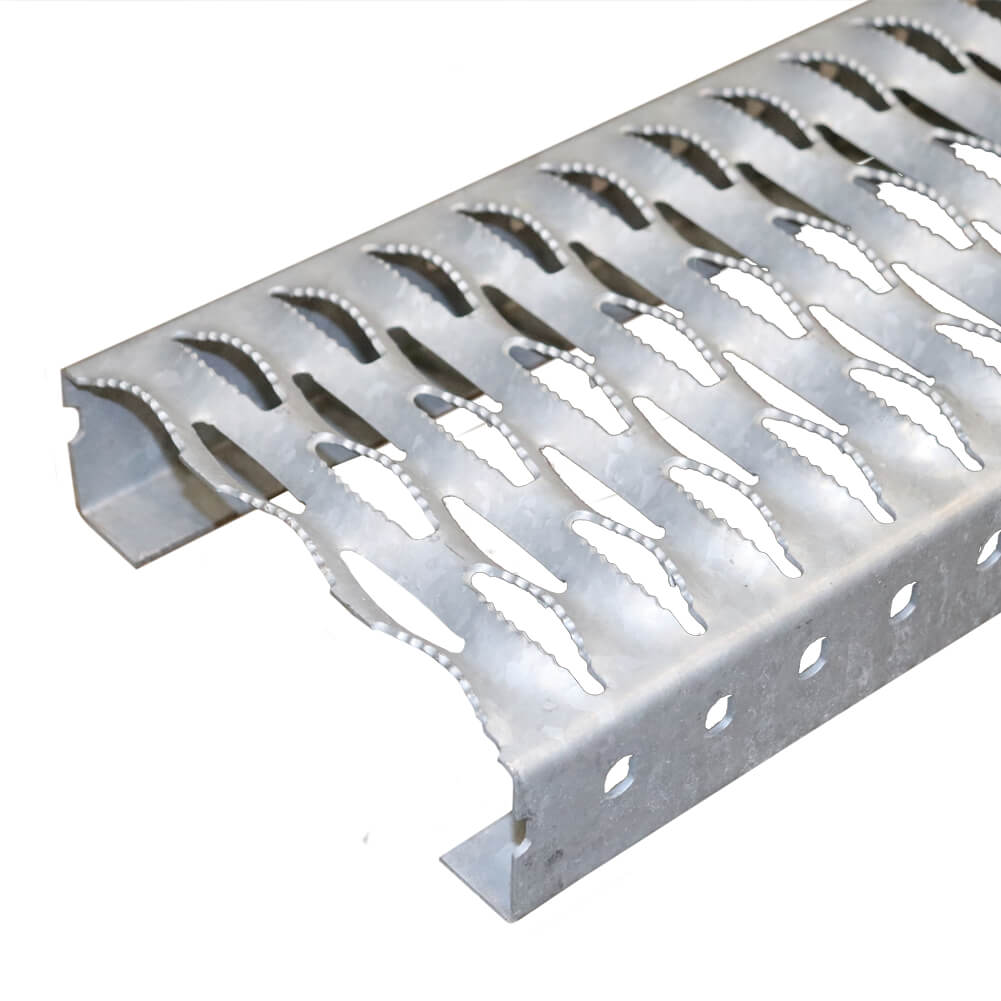
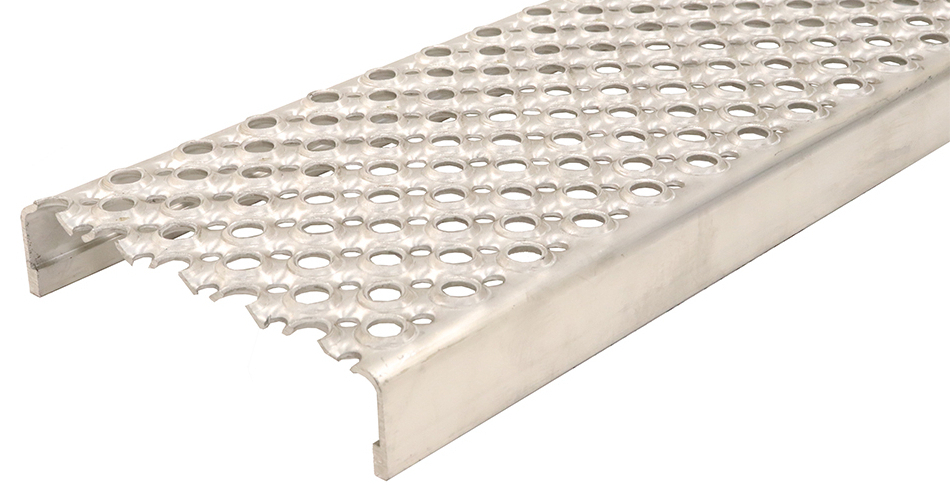
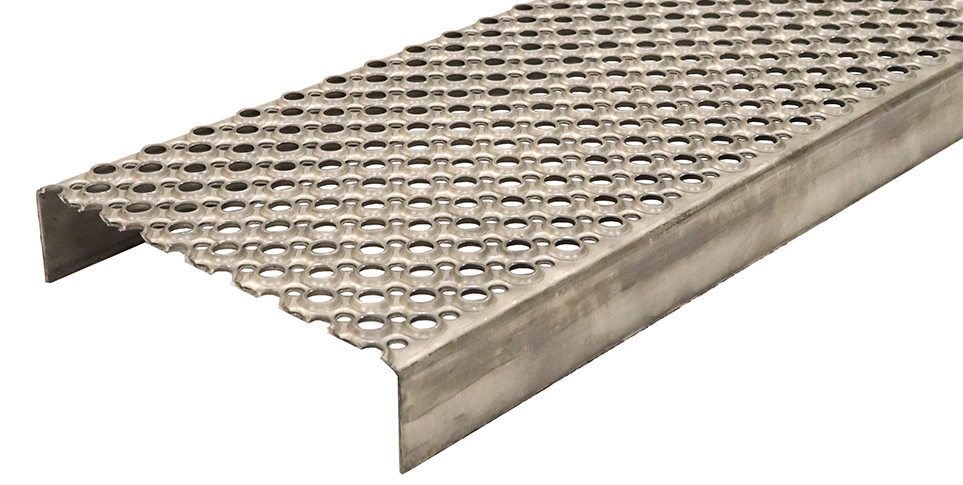
At F.H.Brundle, when choosing anti-slip flooring and stair treads, you can select from durable Galvanised Steel, Stainless Steel, or Aluminium anti-slip planks available in various widths, heights, and material thicknesses. Designed to suit specific structural needs for ramps, bridges, or mezzanine floors, these choices offer highly stable, low-maintenance options with specialised perforated surface patterns for maximum traction.
We offer a wide selection of choices for anti-slip flooring planks; from Rhino branded Rhinomixte and Rhinoplus products to premium stainless steel and aluminium perforated options.
| Feature Category | Key Benefit | Detail |
|---|---|---|
| Material Options | Long-lasting durability and corrosion resistance | Available in Galvanised Steel, Stainless Steel, and lightweight Aluminium to suit different environmental demands. |
| Surface Design | Maximum traction and safety underfoot | Features specialised perforated and embossed surface patterns that drastically reduce slips and falls, even in wet conditions. |
| Versatile Sizing | Adaptable to specific structural loads | Offered in a wide range of widths, heights, and material thicknesses designed to match the application’s unique span and weight requirements. |
| Drainage Capabilities | Prevents liquid and debris accumulation | The open, perforated design allows water, mud, and oils to pass through freely, keeping the walking surface clean and stable. |
| Application Variety | Multipurpose structural use | Ideal for heavy-traffic installations such as mezzanine floors, bridges, access ramps, and walkways in industrial or commercial settings. |
| Component Integration | Complete, secure access systems | Includes matching pre-fabricated stair treads that integrate seamlessly with the flooring planks for an easy-to-install, low-maintenance finish. |
Where can Anti-slip Flooring & Stair Treads be used?
Anti-slip Flooring & Stair Treads are incredibly versatile and designed for demanding environments where safety and durability are a priority.
• Industrial Mezzanine Floors: Providing lightweight, highly stable flooring structures for elevated storage, manufacturing, or work areas.
• Bridges and Pedestrian Walkways: Creating secure footpaths that can handle heavy, continuous foot traffic.
• Access Ramps: Offering a high-traction surface to ensure safe ascent and descent for pedestrians or equipment, preventing slips even on steep inclines.
• Industrial & Commercial Settings: Used throughout factories, warehouses, and commercial facilities in high-risk zones where grease, oil, moisture, or chemical spills are common.
• Outdoor and Weather-Exposed Areas: Thanks to their perforated design, they are ideal for external installations because they allow rainwater, mud, and debris to drain through, ensuring the walking surface remains clear and slip-resistant.
Why are Anti-slip Flooring & Stair Treads so popular?
Anti-slip Flooring and Stair Treads are highly popular for industrial, commercial, and structural applications due to several key advantages:
(1) Outstanding Safety and Grip: They feature specialised perforated or embossed surface patterns that dramatically increase traction underfoot. This makes them a reliable, safety-focused choice for minimising the risk of slips, trips, and falls.
(2) Excellent Drainage Properties: The perforated designs allow water, mud, oil, and other liquids to pass through the surface seamlessly. This prevents hazardous pooling and ensures the walkway remains clear and stable even in wet conditions.
(3) High-Quality, Durable Material Choices: They are available in heavy-duty Galvanised Steel, Stainless Steel, and lightweight Aluminium. These premium materials ensure long-lasting durability, structural integrity, and resistance to wear and tear.
(4) Versatility in Application: These planks are engineered to suit a massive variety of demanding environments, making them the go-to solution for heavy-traffic mezzanine floors, bridges, pedestrian ramps, and walkways.
(5) Tailored Strength and Sizes: Because they come in a wide range of widths, heights, and material thicknesses, they can be easily specified to match the exact structural load and span requirements of different projects.
(6) Low Maintenance: Their robust metal construction and self-draining nature mean they do not rot, rust easily, or require complex upkeep, offering a highly cost-effective, long-term flooring solution.
What does Compliant Anti-slip Flooring look like?
Slips and trips remain the single most common cause of workplace injuries in the UK. For commercial specifiers, architects, and property managers, selecting flooring isn’t just about aesthetics – it is a matter of strict legal compliance and risk management.
Anti-slip flooring planks offer the perfect marriage of safety performance and modern design. Here is what you need to know to ensure your project meets UK standards.
What Makes an Anti-Slip Flooring Plank “UK Compliant”?
In the UK, generic “R-ratings” (like R10 or R11) are widely used but are not fully recognised by the Health and Safety Executive (HSE) in legal disputes. Instead, compliance hinges on the Pendulum Test Value (PTV), governed by BS 7976-2 and BS EN 16165.
The 36+ PTV Rule
To be deemed legally compliant and offer a “low slip potential” in wet conditions, anti-slip flooring planks must achieve a minimum Pendulum Test Value (PTV) of 36 or higher under the specific conditions of its intended use.
F.H.Brundle’s range of anti-slip planks ensure that compliance is met across the board, adhering to regulatory standards such as Part M for accessibility to BS EN 16165. Each product ensures sufficient drainage and traction to prevent slips with a minimum 21% open area on these products, making them suitable for most industrial and commercial installations.