



F.H.Brundle is the exclusive distributor of Outdure® QwickBuild® in the UK
The most versatile deck frame solution
QwickBuild® deck framing provides the ultimate solution for deck subframes. The versatile nature of the system allows installers to create almost any kind of deck conceivable. A variable kit-of-parts to suit all types of projects, from ultra-low decks and balconies (under 11m), through to elevated raised deck areas, complex commercial to basic residential renovations.
Framing for low level decks
For installation of both residential and commercial low-level decking
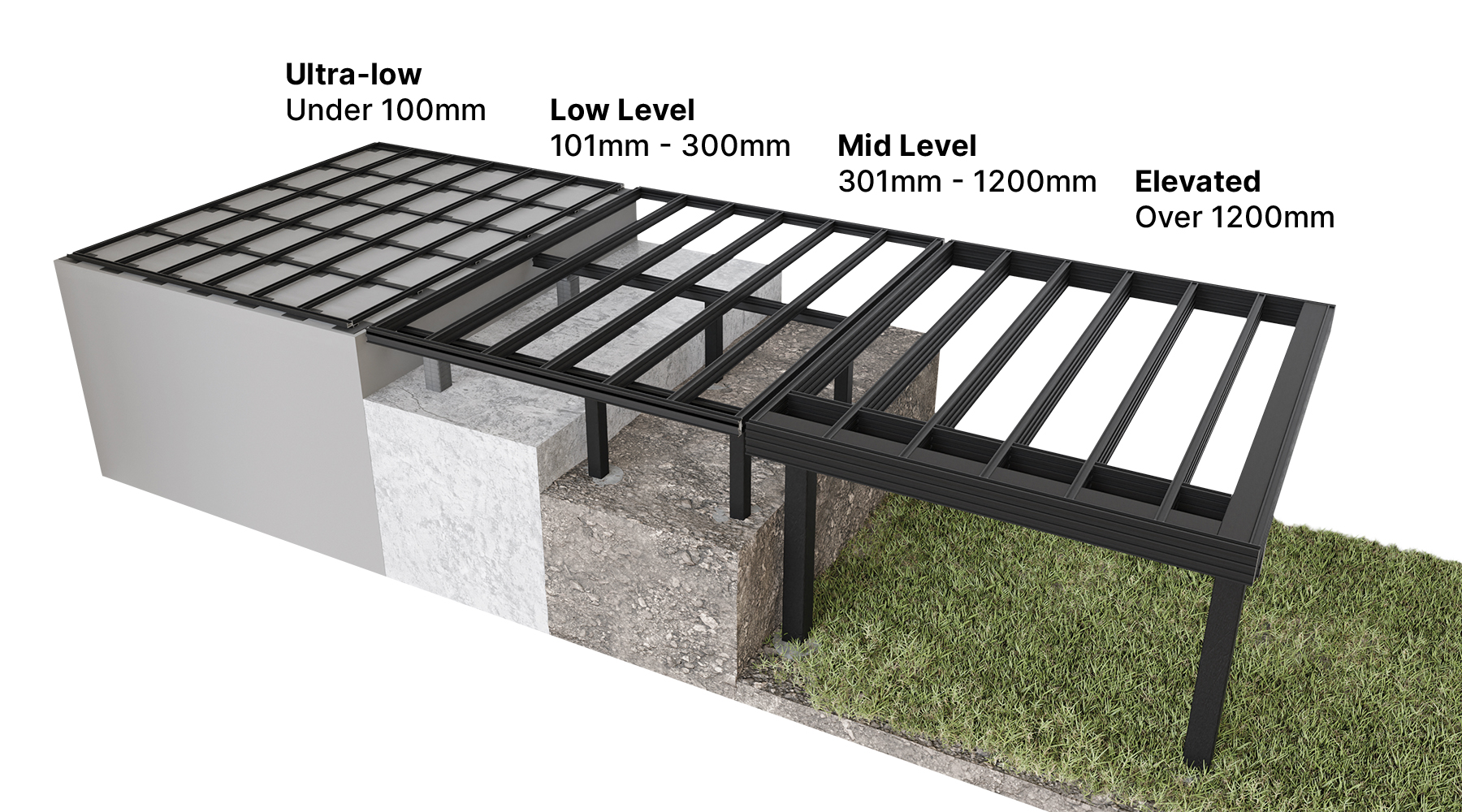
Within the QwickBuild® system, there are two classifications of low level decks; low level which is anything from 101mm to 300mm (4″ – 12″) in height, and ultra-low level, which is up to 100mm (4″).
Depending on the required height of the deck – a combination of components can be used to offer optimised support whilst meeting the desired height to the millimetre.
QwickBuild® can also handle slopped and undulating substrates through the use of the innovative height-adjustable supports.
Remove the guesswork. To avoid costly mishaps, why not use our free DeckPlanner tool to provide you with the framing options you require?
Structuring ultra-low frames
At ultra-low level, there are a number of ways to configure a frame:
(A) Using beams and joists
Use a combination of low-profile joists and beams to create a solid frame, the beams acting as the bearers to the joists when fixed perpendicular to the beams (see diagram below). The frame should be placed on the A901 3mm packers to provide a protective barrier, and A905 height-adjustable supports may be utilised to raise and level frame. Multiple packers can be used to adjust and level on gradual slopes.
Minimum requirements shown below – based on residential deck using A110 joist and A100 beam for composite deck boards
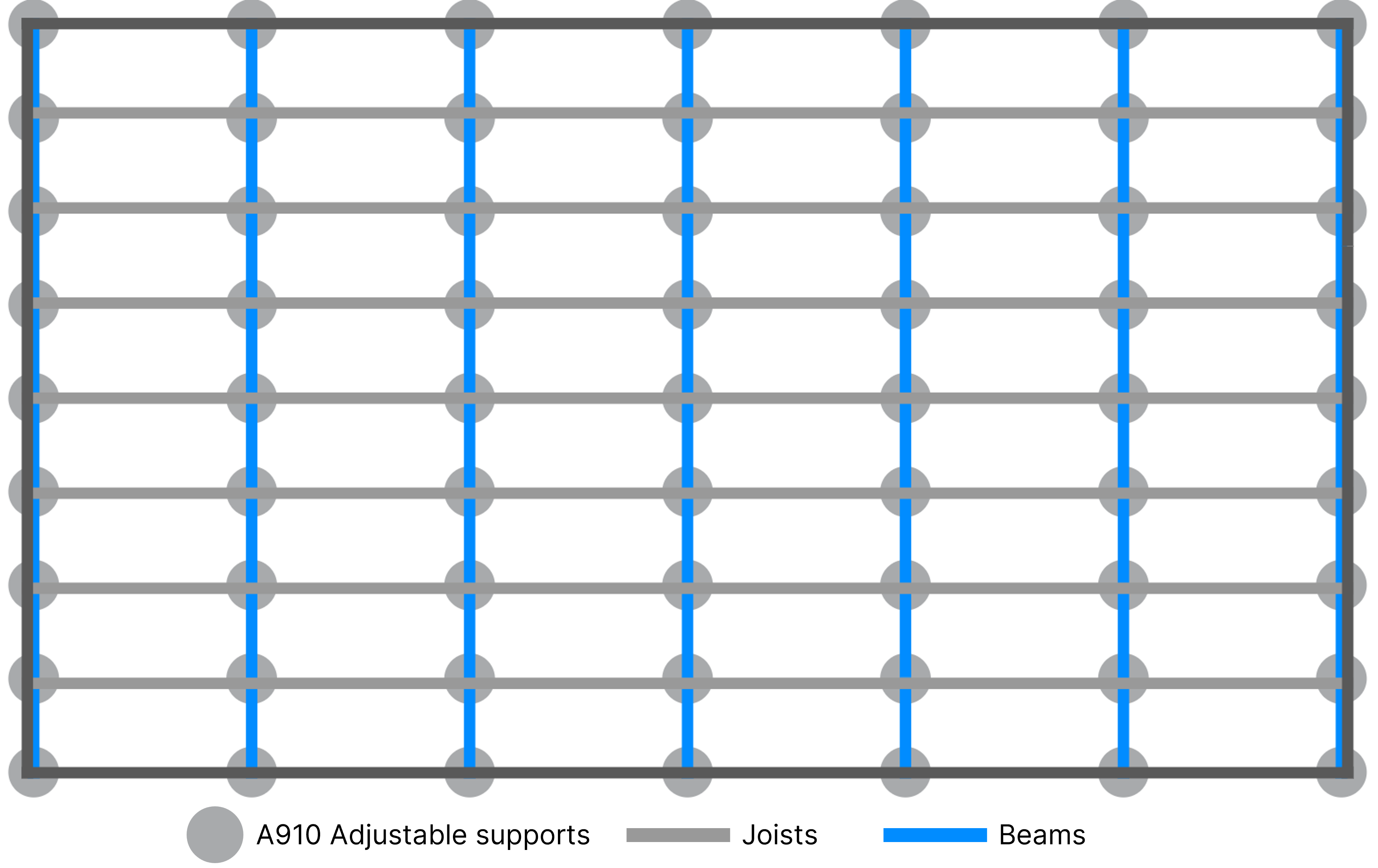
Ideal for ultra-low installations:
· A100 Joist or Beam – 13 x 45mm profile
· A110 Joist or Beam – 28 x 45mm profile
Joists need to be fixed securely to beams using the A301 90-degree beam and joist anchor.
Use the A306 or A307 double joist bracket to expand the width of the A110 joist and the A302 joiner bracket to extend the length of an A110 beam/joist.
Scenario: For a frame height of 47mm stack x 2 3mm A901 packers under each intersection of beam and joist (see above), use the A100 beam (13mm), flat face up, and an A110 joist (28mm), orient the joist according to how you’re fixing your surface.
Refer to the installation guides for more details.
(B) Using joists only with bracing (single layer)
Employ low-profile joists, fixed laterally and longitudinally, to create a solid frame. Joist centres must not exceed 400mm. Joists should also be used to create bracing between joist centres, adding further stability to the frame (see diagram below). The frame should be placed on the A901 3mm packers to provide a protective barrier, and A905 height-adjustable supports may be utilised to raise and level the frame. Multiple packers can be used to adjust and level on gradual slopes.
Minimum requirements shown below – based on residential deck using A110 joist and A110 bracing joists for composite deck boards
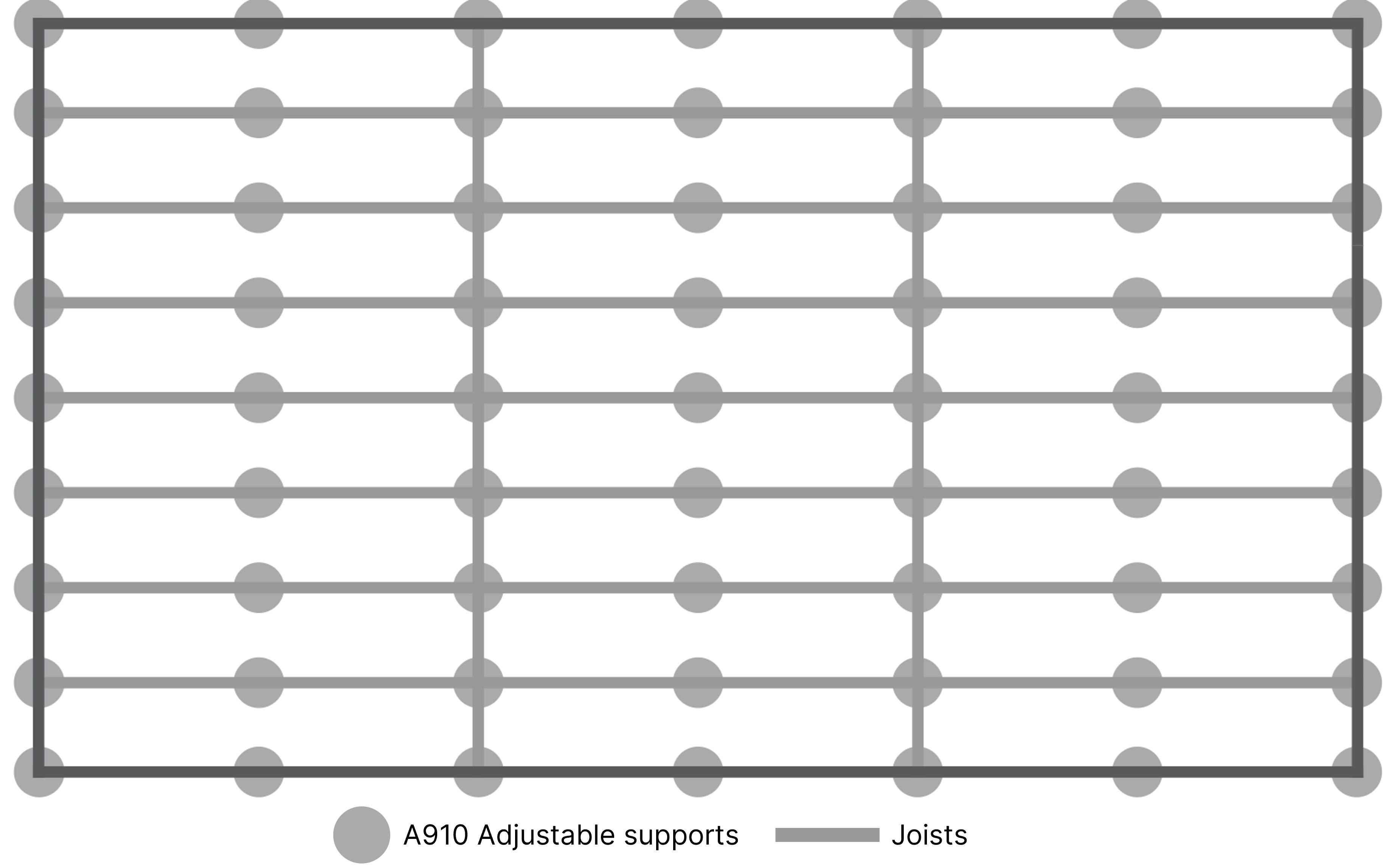
Ideal for ultra-low installations:
· A110 Joist – 28 x 45mm profile
· A120 Joist – 45 x 45mm profile
· A130 Joist – 90 x 45mm profile
A110 joists need to be fixed securely to each other using the A301 90-degree joist anchor. A120 and A130 joists should utilise the A201 90-degree brackets
Use the A306 or A307 double joist bracket to expand the width of the A110 joist and the A302 joiner bracket to extend the length of an A110 joist.
Use the A206 or A207 double joist bracket to expand the width of the A120 / A130 joist and the A202 joiner bracket to extend the length of both.
Scenario: For a frame height of 31mm, place the 3mm A901 packers under each intersection of joist and bracing joist (see above), use the A110 joist (28mm) to create a rigid frame. Ensure joist centres do not exceed 400mm. Place 400mm (L) bracing joist at least every 1200mm along the longitudinal joist. Orient the joists and bracing joists according to how you’re fixing your surface.
Refer to the installation guides for more details.
Structuring ultra-low frames (101 – 300mm)
(A) Using beams and joists
Use a combination of joists and beams to create a solid frame, the beams acting as the bearers to the joists when fixed perpendicular to the beams (see diagram below). A905 or A910 height-adjustable supports may be utilised to raise and level frame. A901 packers or A920 slope correctors can be used to adjust and level on gradual slopes. Support extenders can also be used to increase height at increments of 30mm. The use of posts instead of supports is only recommended when being installed on very uneven or unprepared substrate (e.g. tussock) or an alternative option for deck frames of around 250 – 300mm, use of the 300mm or 600mm A194 post would be suitable in both instance.
Minimum requirements shown below – based on residential deck using A120 joist and A140 beam for composite deck boards
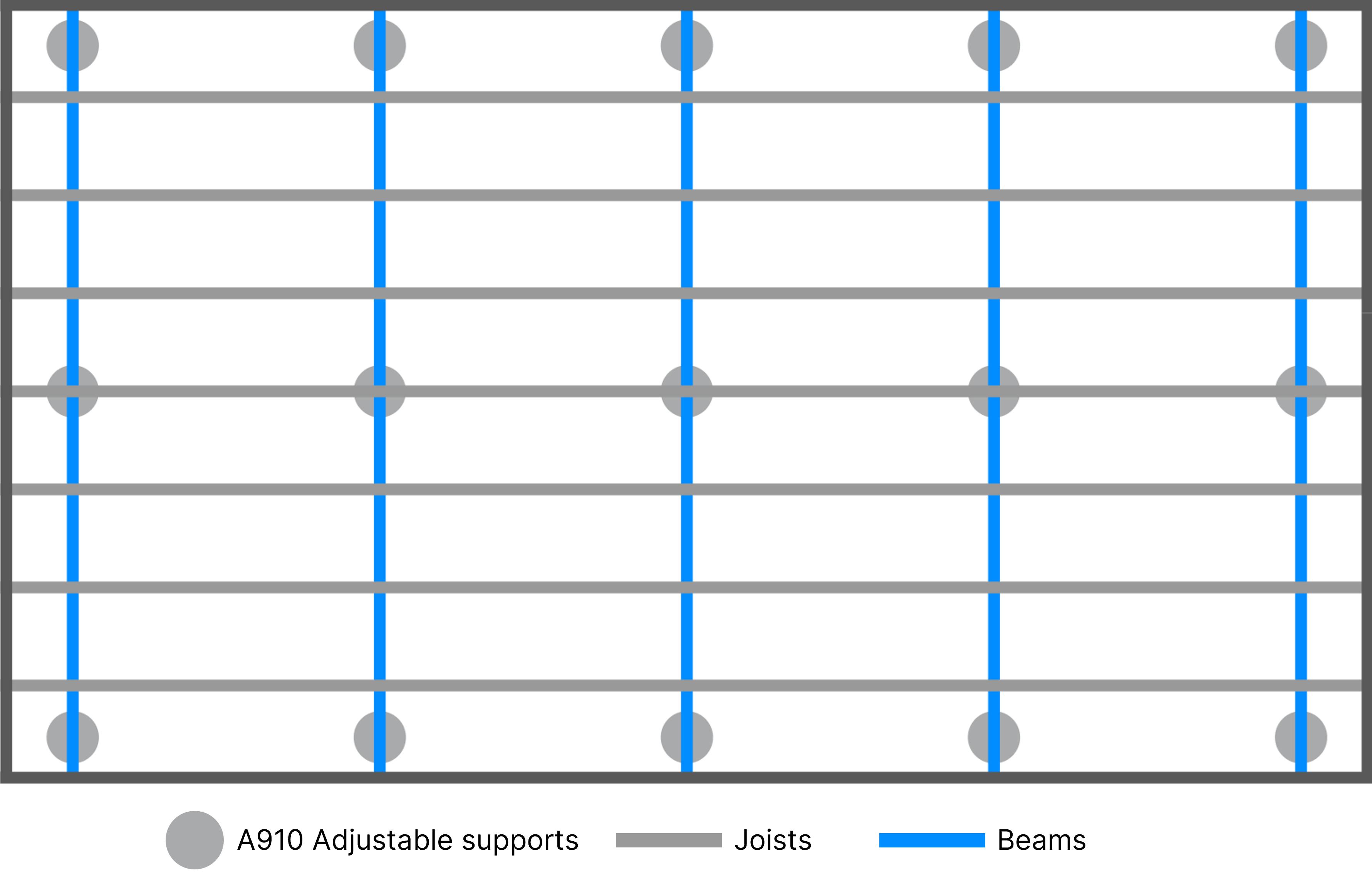
Ideal for low level installations:
· A110 Joist or Beam – 28 x 45mm profile
· A120 Joist or Beam – 45 x 45mm profile
· A130 Joist or Beam – 90 x 45mm profile
· A140 Joist or Beam – 135 x 45mm profile
Joists need to be fixed securely to beams using the A203 joist anchor brackets. This should be done at every intersection of joist and beam.
Use the A206 or A207 double joist bracket to expand the width of the joists unless using A110 (then use the A306/A307 brackets).
Extend the length of beams and joists (where necessary) using the A202 and A207 Brace plate brackets unless using the A110 (then use the A302 Joiner brackets).
Scenario: For a frame height of 240mm, use the A910 height-adjustable supports set at 60mm exactly, using A140 beams under A120 joists to provide an overall height of 240mm. A910 supports can be adjusted in 1mm increments should there be any variation in substrate level.
Refer to installation guides for more detail.
(B) Using joists only with bracing (single layer)
Using only joists (and bracing) fixed laterally and longitudinally with the A201 corner bracket, to create a solid frame. Joist centres must not exceed 400mm. Joists should also be used to create bracing between joist centres, adding further stability to the frame (see diagram below). A905 or A910 height-adjustable supports may be utilised to raise and level frame. A901 packers or A920 slope correctors can be used to adjust and level on gradual slopes. Support extenders can also be used to increase height at increments of 30mm. The use of posts instead of supports is only recommended when being installed on very uneven or unprepared substrate (e.g. tussock) or an alternative option for deck frames of around 250 – 300mm, use of the 300mm or 600mm A194 post would be suitable in both instance.
Minimum requirements shown below – based on residential deck using A120 joists (running horizontally) and A120 bracing joists (running vertically) for composite deck boards
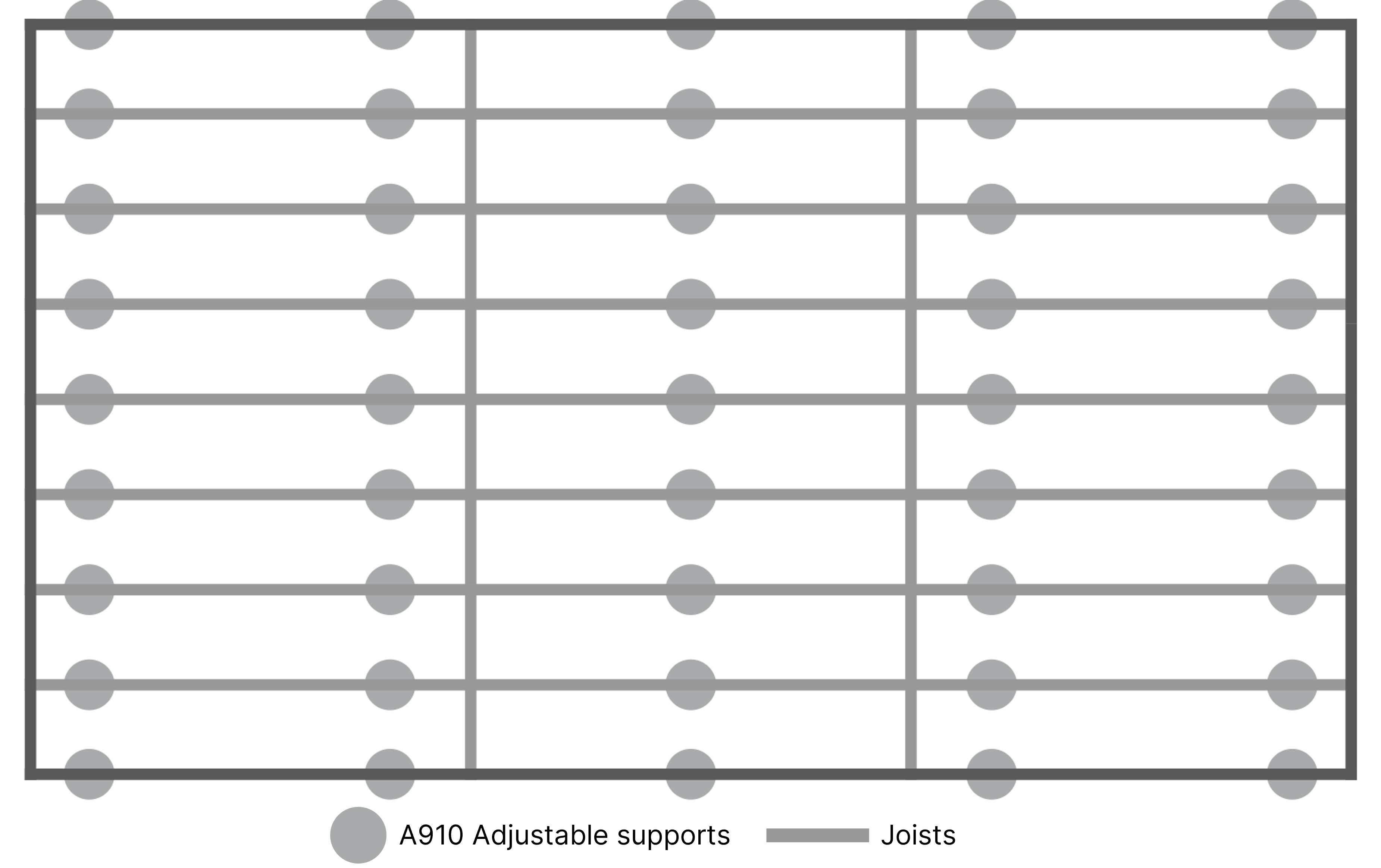
Ideal for low level installations:
· A110 Joist – 28 x 45mm profile
· A120 Joist – 45 x 45mm profile
· A130 Joist – 90 x 45mm profile
· A140 Joist – 135 x 45mm profile
Joists need to be fixed securely to bracing joists using the A201 joist 90-degree corner brackets. This should be done at every intersection of joist and bracing joist, on either side.
Use the A206 or A207 double joist bracket to expand the width of the joists unless using A110 (then use the A306/A307 brackets).
Extend the length of beams and joists (where necessary) using the A202 and A207 Brace plate brackets unless using the A110 (then use the A302 Joiner brackets).
Scenario: For a frame height of 240mm, use the A910 height-adjustable supports set at 45mm exactly, stacked on top of x5 A915 support extenders (30mm each), using A120 joists (45mm) to provide an overall height of 240mm. A910 supports can be adjusted in 1mm increments should there be any variation in substrate level.
Refer to installation guides for more detail.
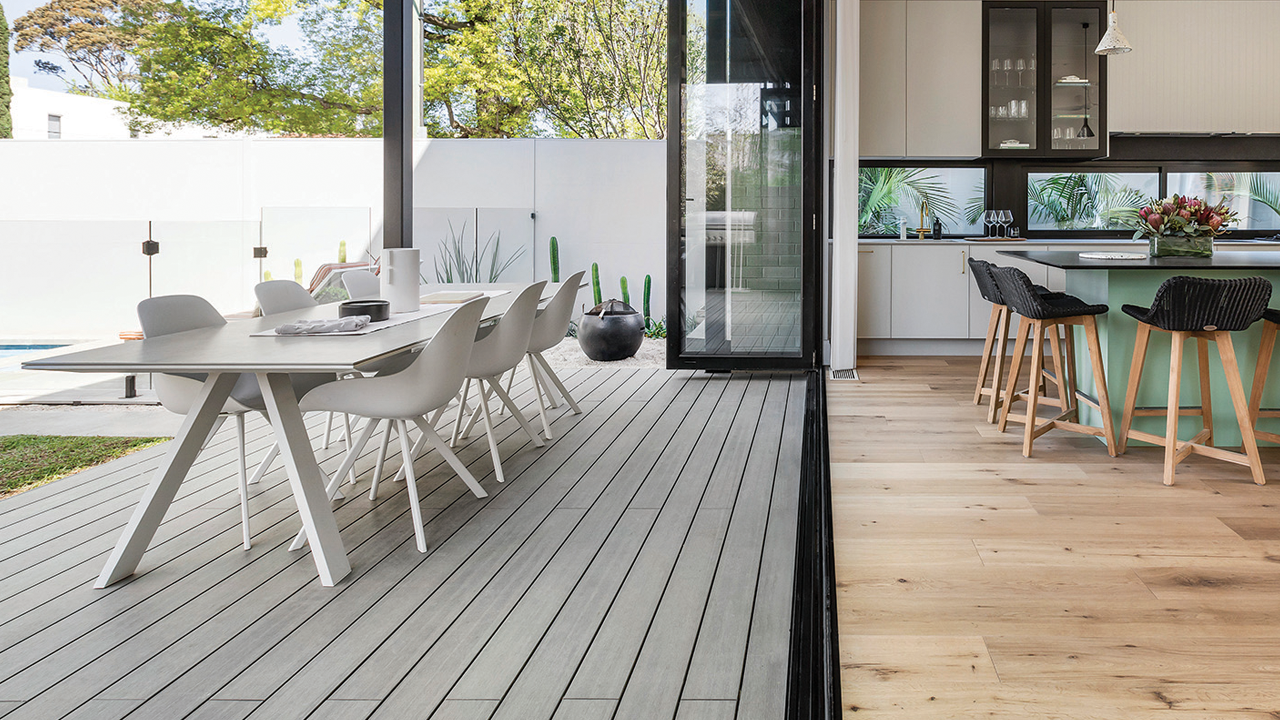
Ultra-low frames allow for seamless indoor to outdoor surfaces.
Low level up to 300mm high frames
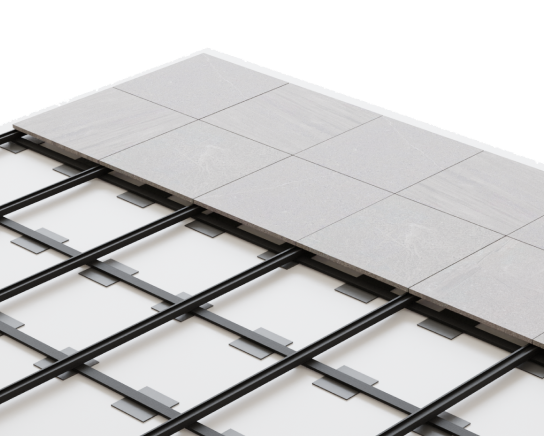
Low level decks can use a combination of packers, supports, beams, joists and battens to achieve the desired height whilst providing a strong and secure frame. The A194 post may also be utilised in some scenarios.
The benefits to using QwickBuild® at this level over wood, composite or polymer framing are multiple.
• An aluminium structure provides greater strength than comparable materials when shallower joists/beams are being employed. Polymer and composite joists are likely to bow under the weight of the deck surface – QwickBuild® won’t.
• Powder coated aluminium will also fair much better when exposed to ground moisture at low levels.
• QwickBuild’s innovative height-adjustable supports allow for even the slightest variations in height to be catered for, ensuring a perfectly level deck, every time.
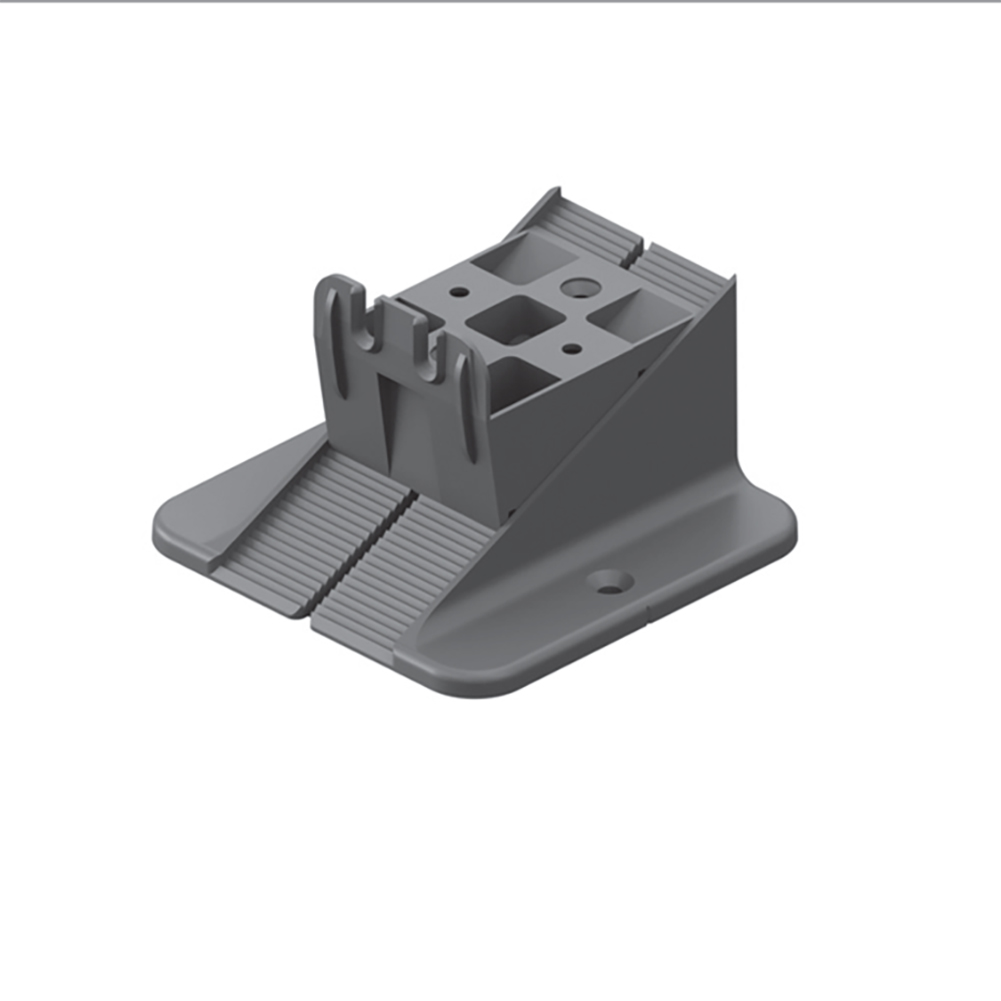
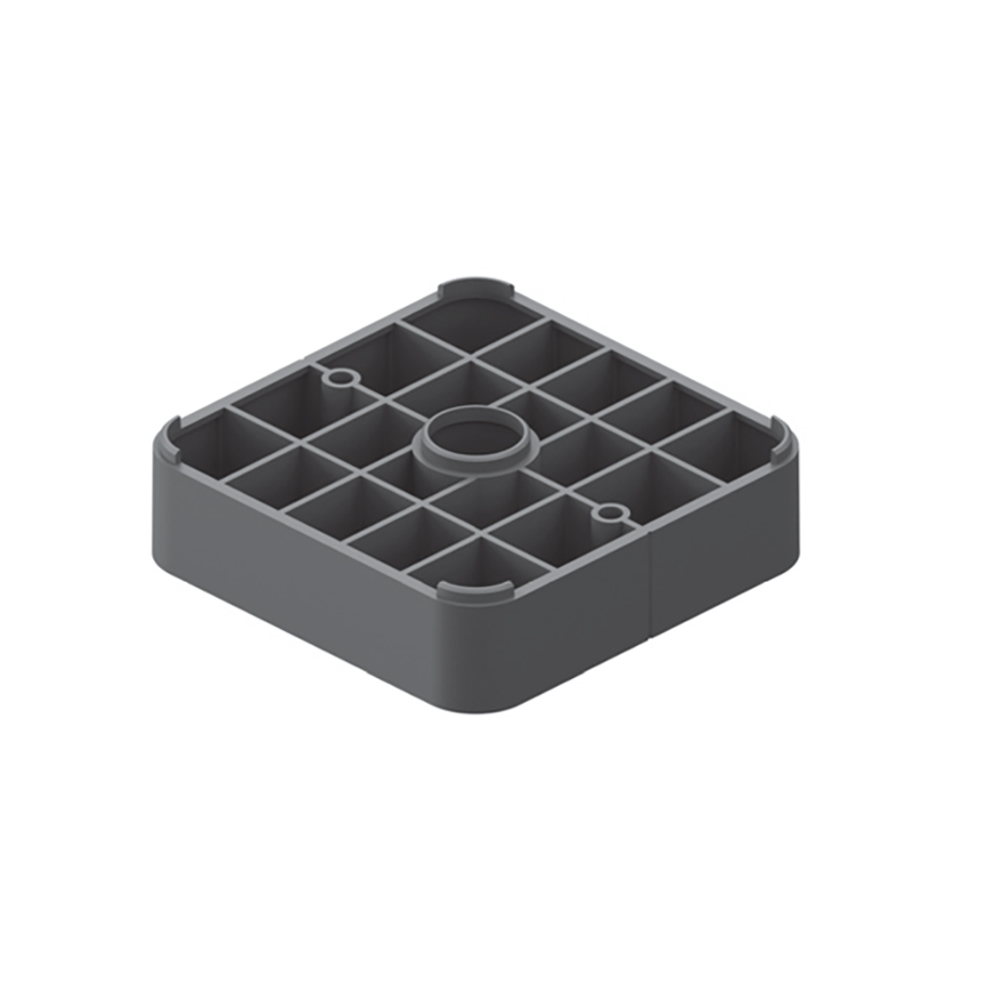
A910 Height-adjustable Deck Support
Suitable for in frames over 50mm in height. Adjustable from 35mm to 65mm in 1mm increments. Supplied in pack of 10.
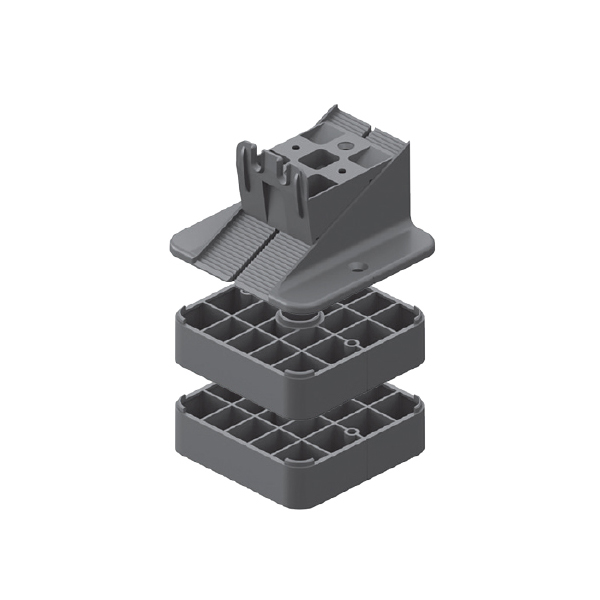
A915 Deck Support Extender
For use with the A910 support, provides additional 30mm height where required
(up to a max of 8). Supplied in pack of 10.
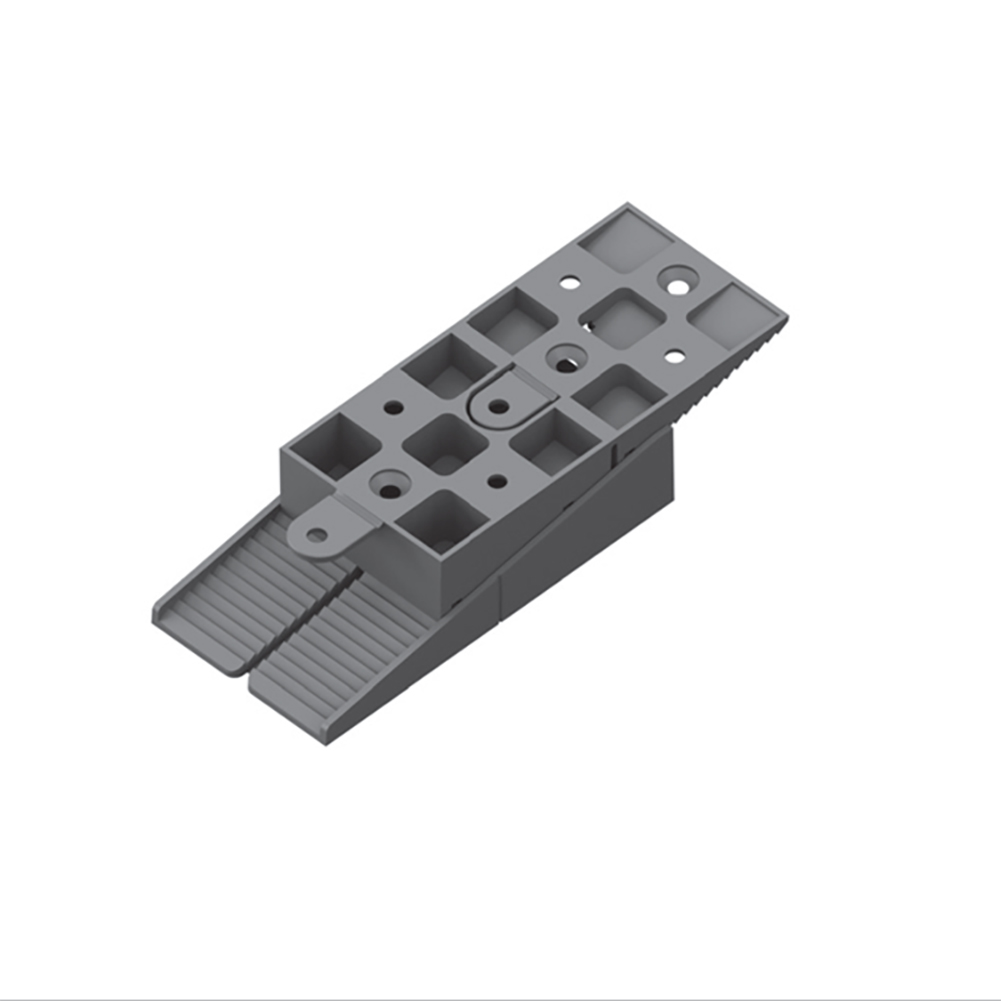
A905 Height-adjustable Deck Support
Ideal for ultra-low level installations, adjustable from 15mm to 35mm heights, in 1mm increments. Supplied in pack of 10.
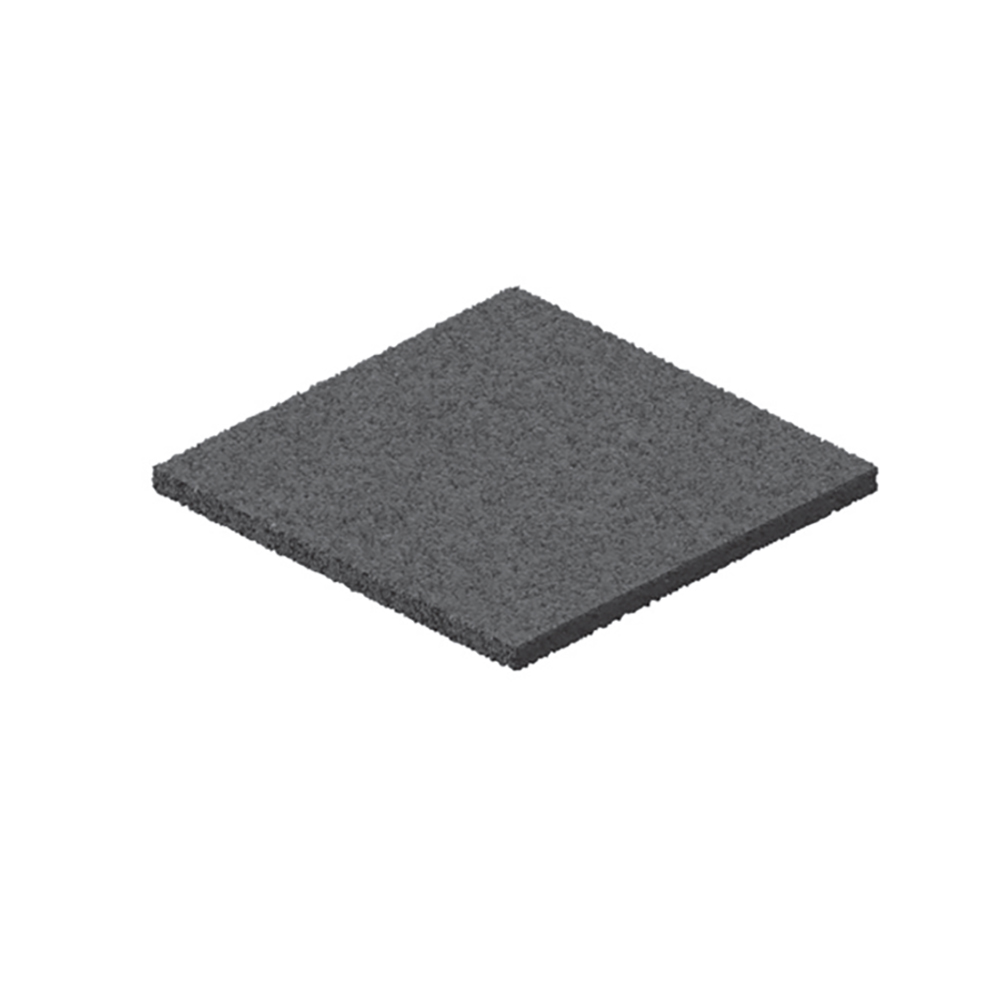
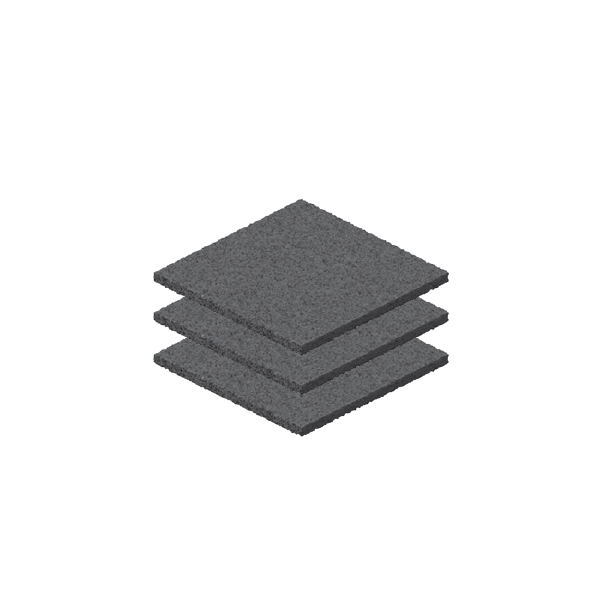
A901 Deck Support Packer
3mm packer for use in ultra-low frames under supports, to adjust height on gradual slopes and to act as non-porous barrier between frame and substrate. Supplied in pack of 20.
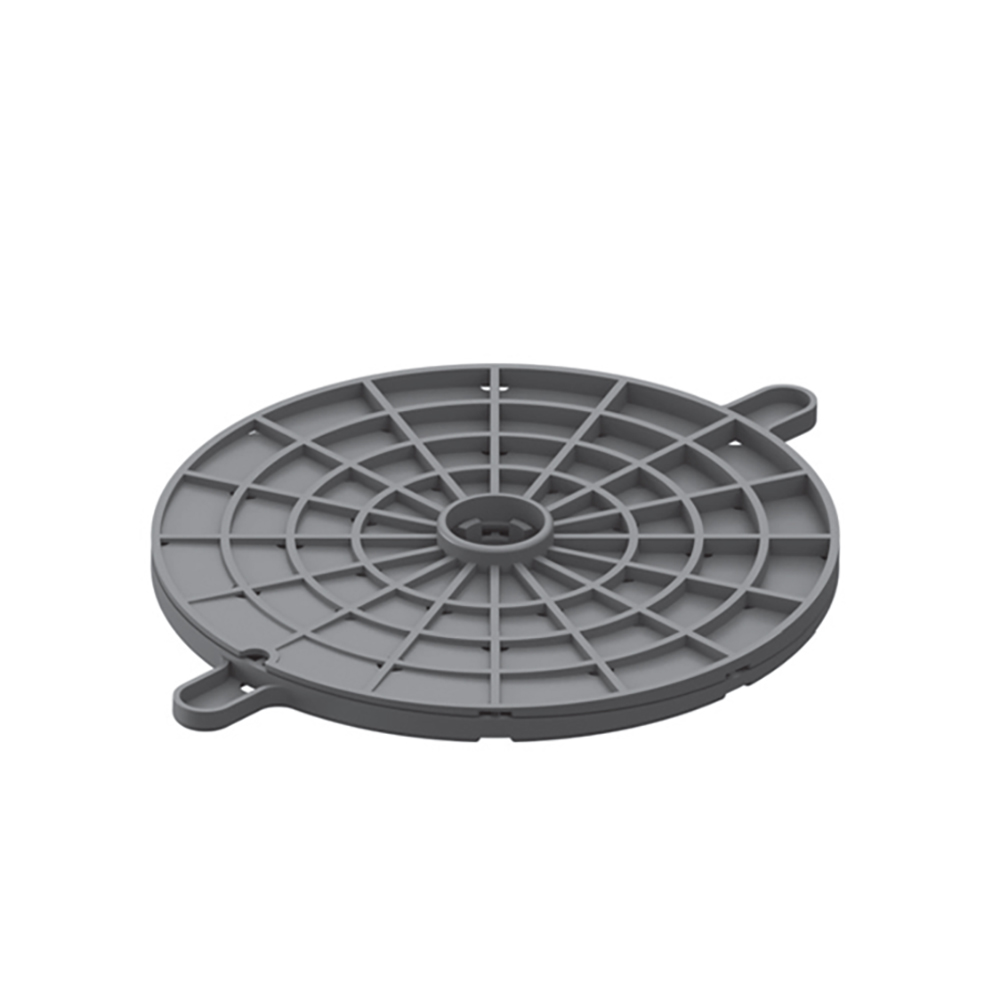
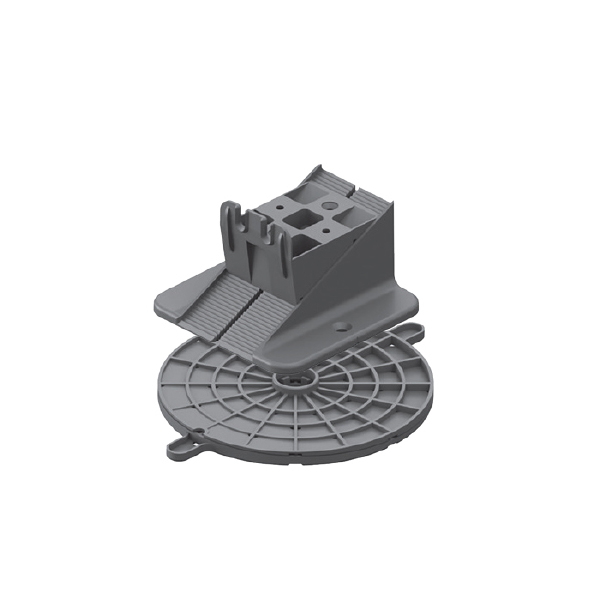
A920 Slope Corrector
Polypropylene based component that adjusts to provide correction for deck supports on slopes of up to 7%. Supplied in pack of 10.
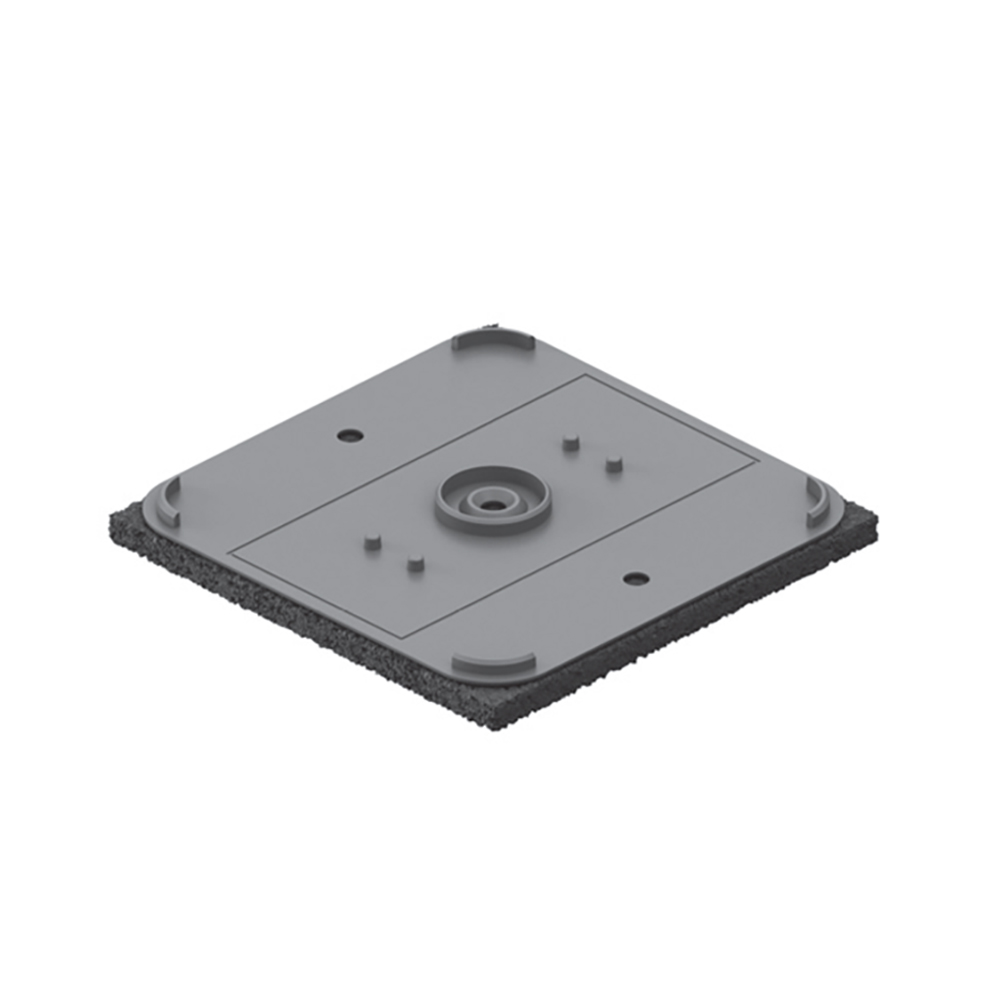
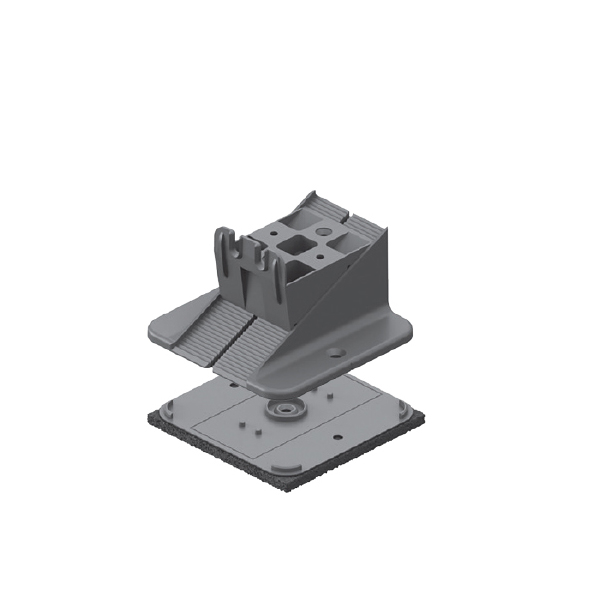
A925 Protective Pad
For use with the height-adjustable support, provides a protective, dampening layer between support and substrate.
Supplied in pack of 10.
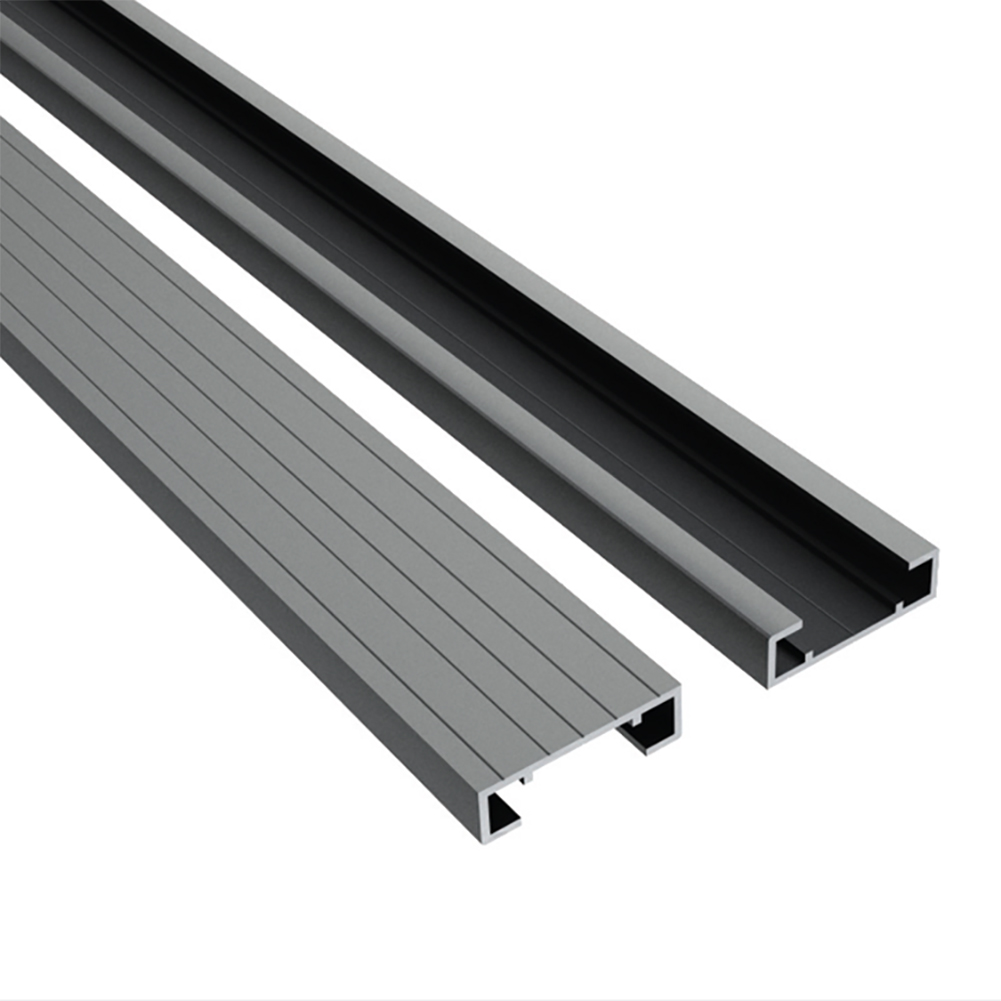
A100 Beam / Joist
13 x 45 x 5800 ultra-low profile beam or joist. Can be used in either orientation dependent on surface type.
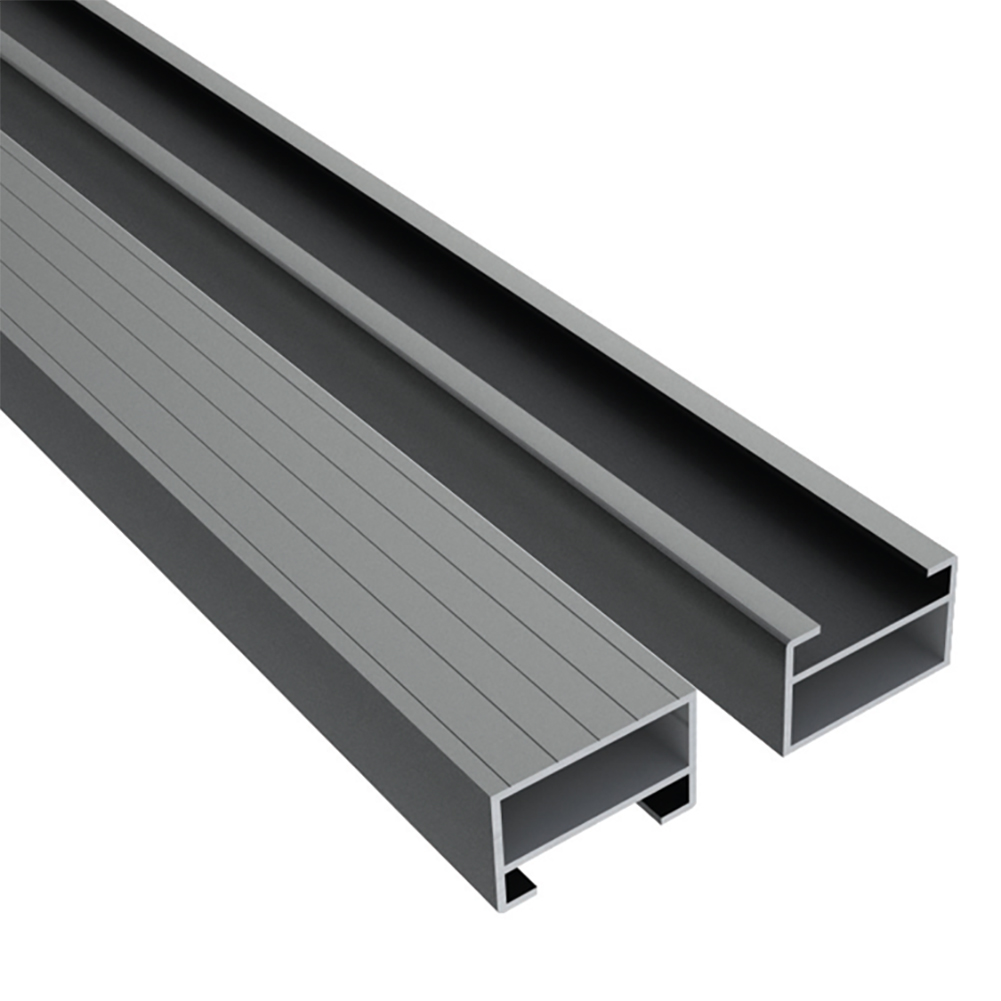
A110 Beam / Joist
28 x 45 x 5800 ultra-low profile beam or joist. Can be used in either orientation dependent on surface type.
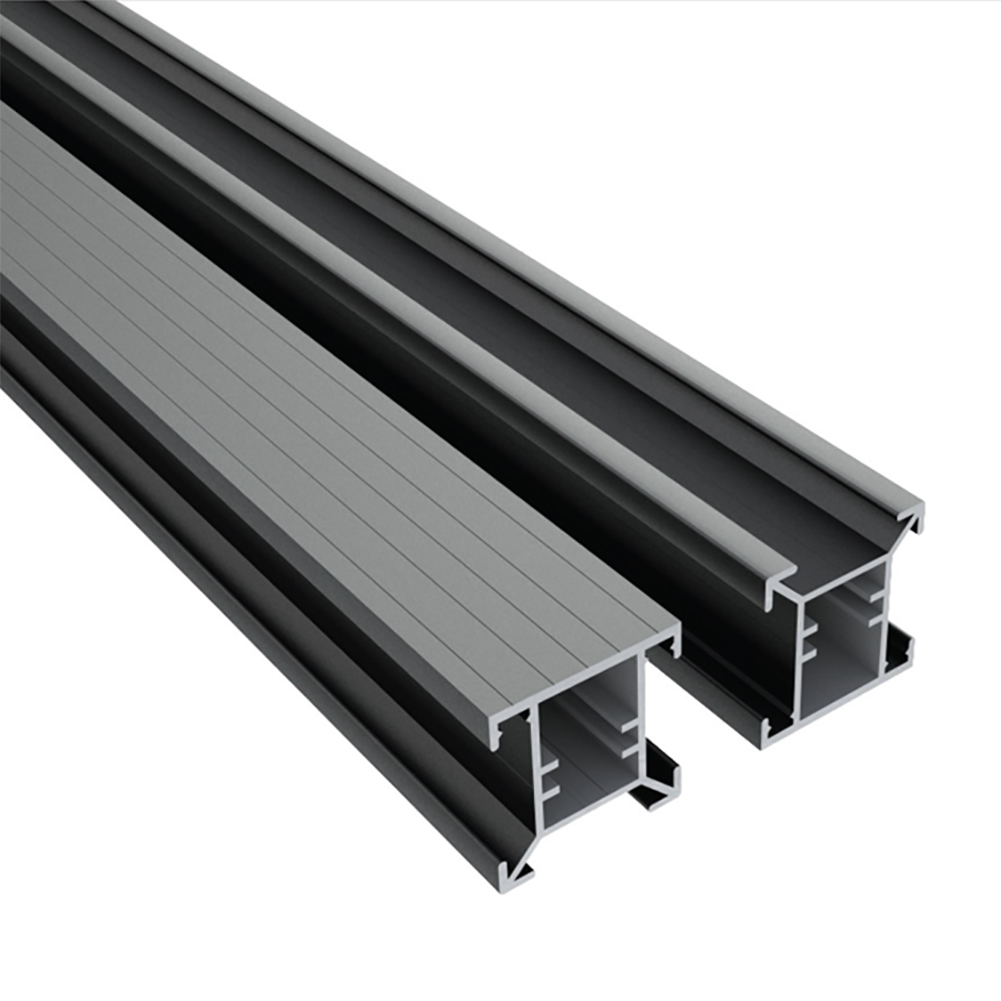
A120 Beam / Joist
45 x 45 x 5800 low profile beam or joist. Can be used in either orientation dependent on surface type.
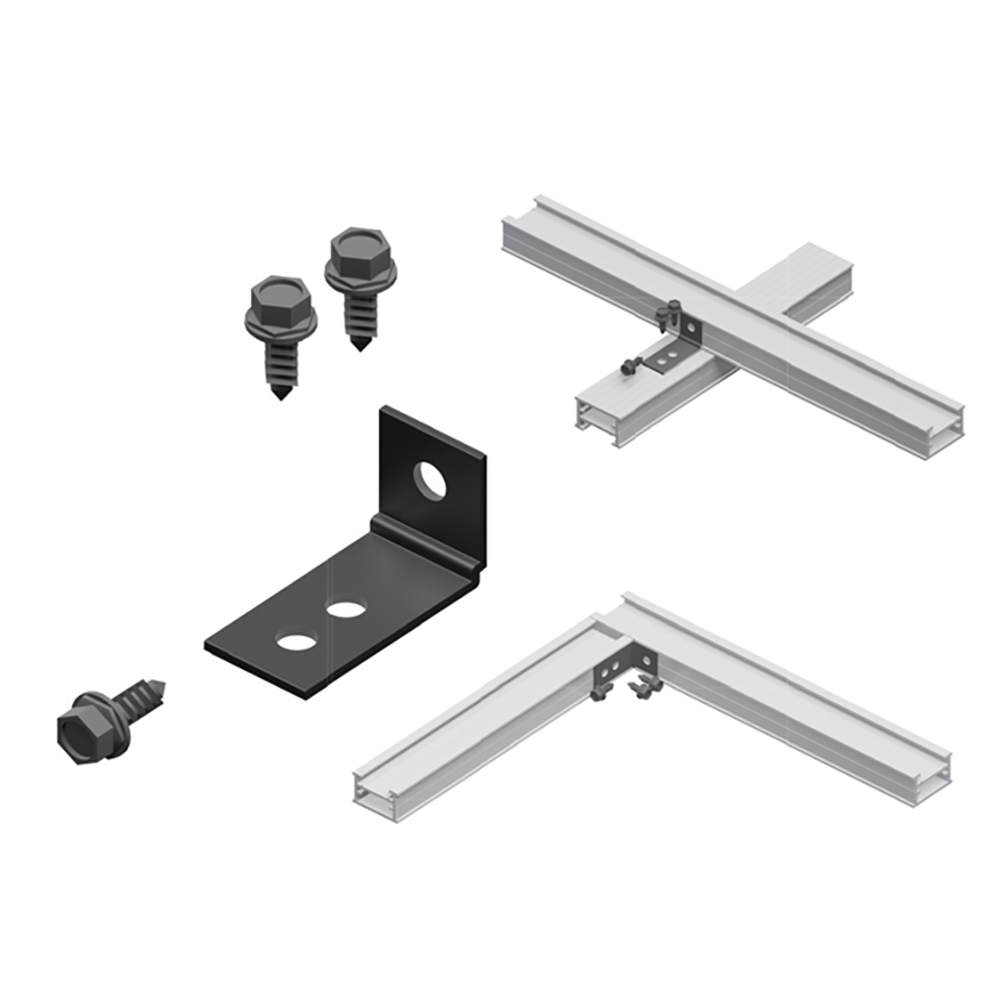
A301 90 degree Joist Anchor
Purpose created for anchoring A110 joists to A110 beams. Or A110 joists to A110 bracing joists. Supplied in pack of 10 with screws.
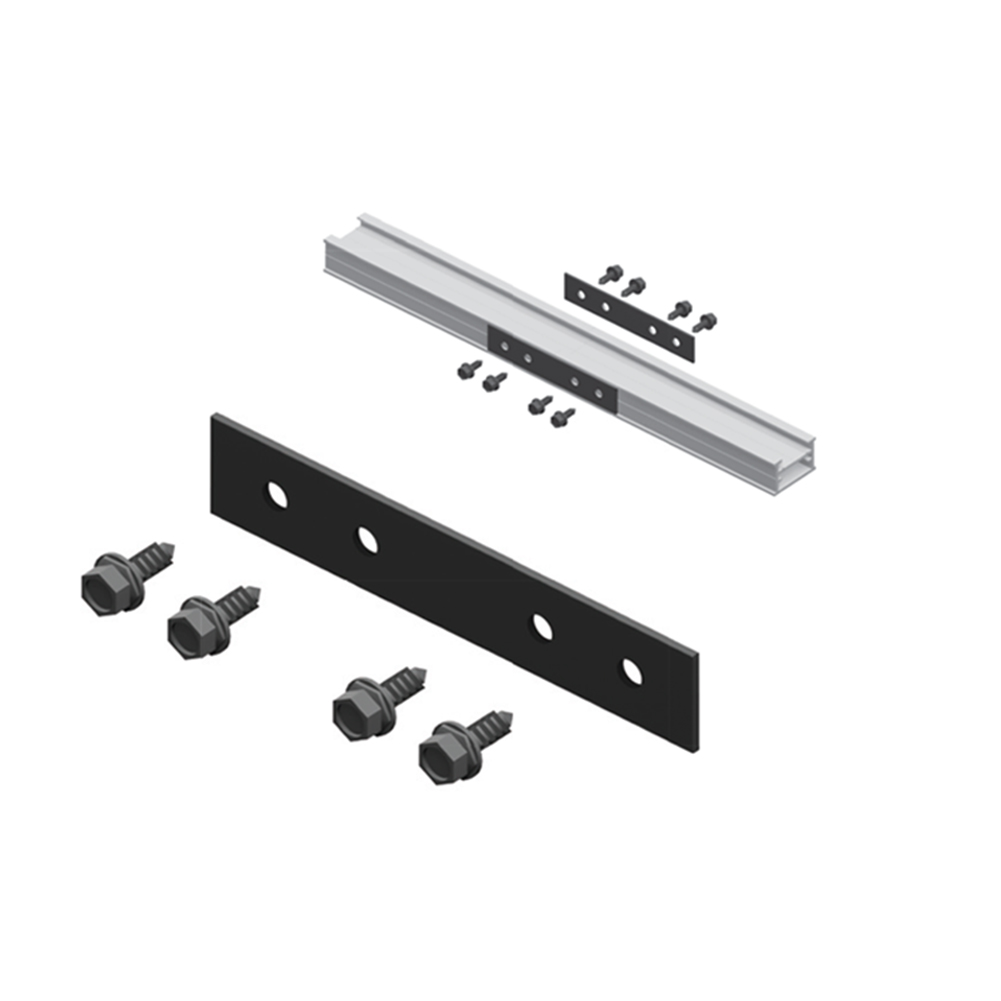
A302 Joist Joiners
Simplified joining bracket specifically for extending the length of the A110 beam/joist, when lengths beyond 5800mm are required. Supplied in pack of 10 with screws.
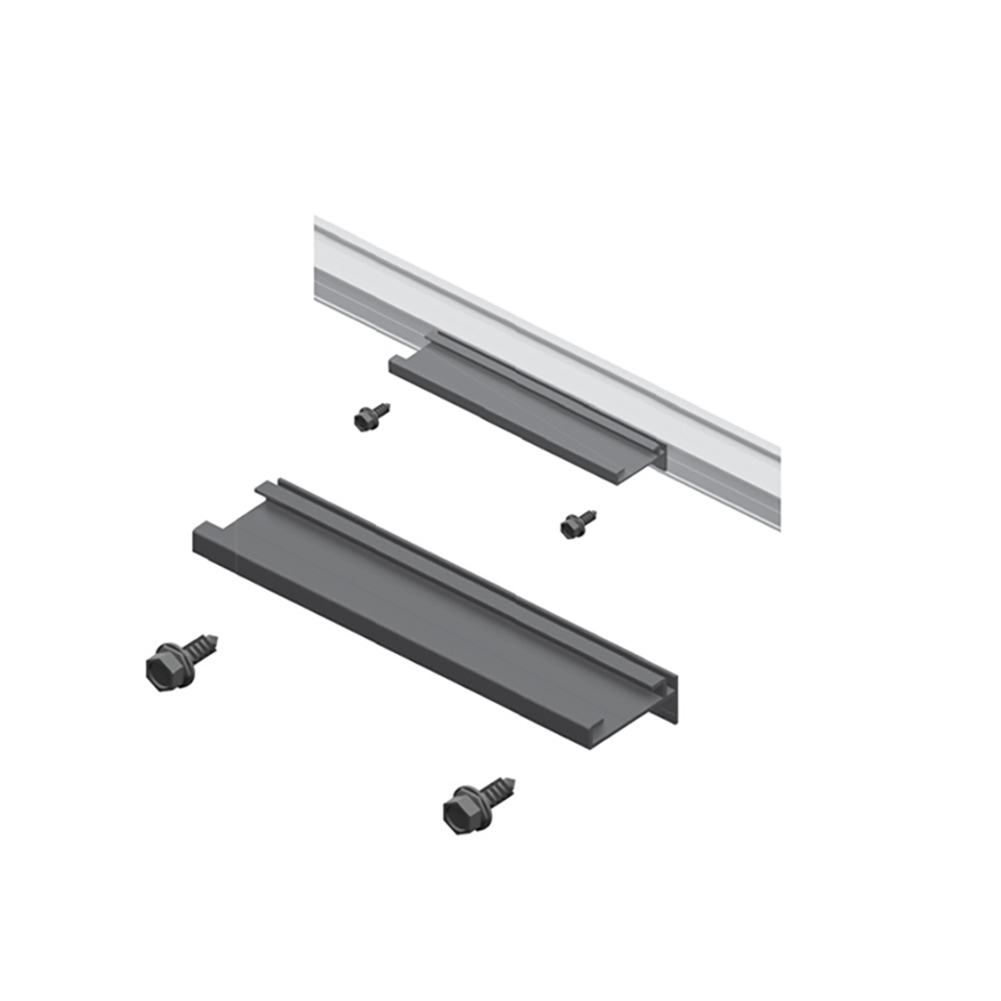
A306 Double Joist Bracket
A double joist bracket intended for the A110 joist. Allows for expanded width of joist (channel side) for starting new run of boards or adding reinforcement. See also A307 for use with reverse side of joist.
Supplied in pack of 10 with screws.
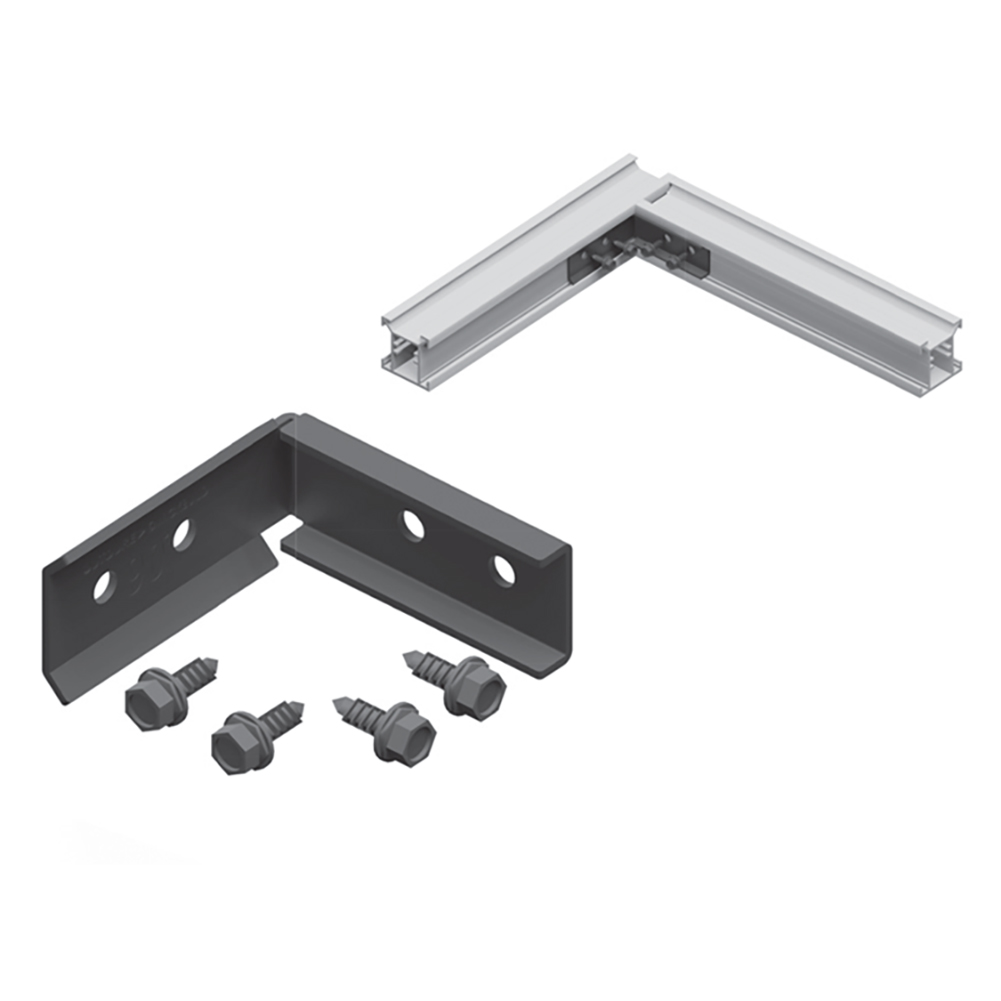
A201 Corner Bracket
Joining bracket predominantly for joining joists and bracing joists or perimeter joists (A120 and up). Precisely angled at 90-degrees for perfect fit. Supplied in pack of 10 with screws.
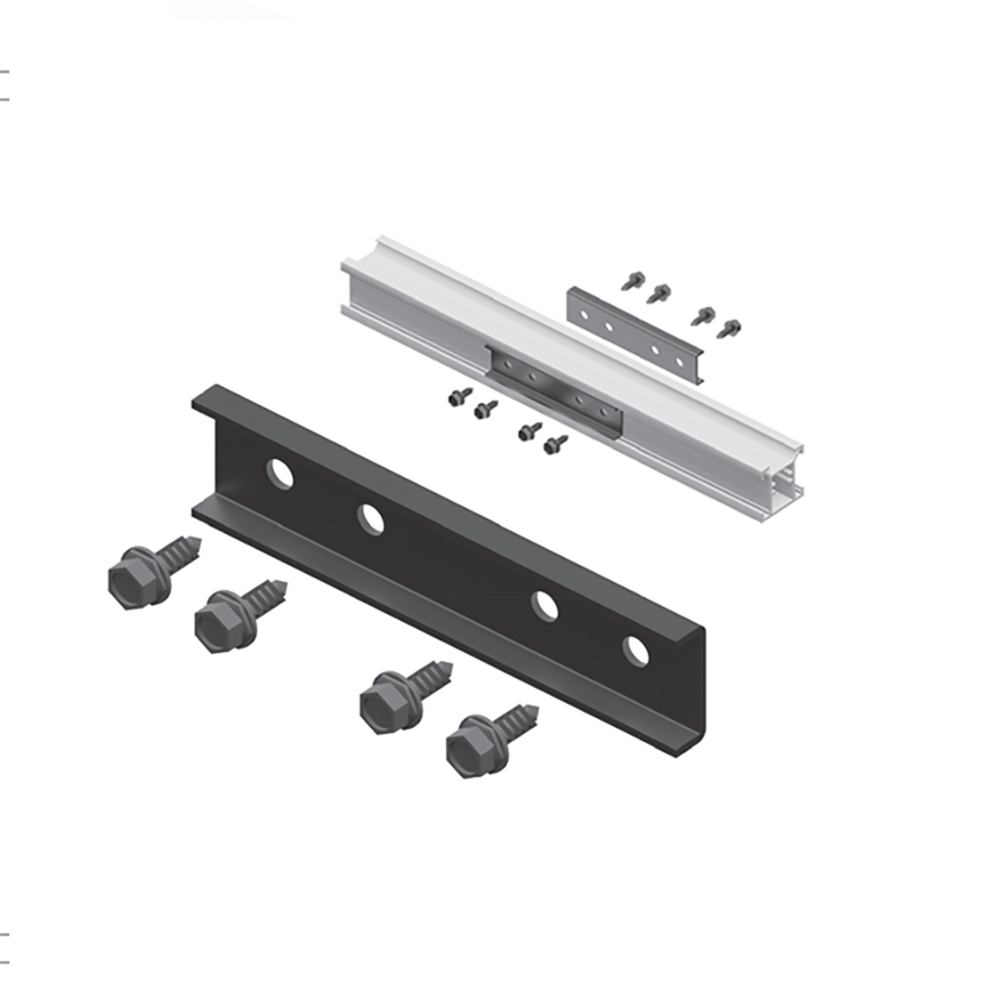
A202 Joist Joiner Bracket
Joining bracket specifically for extending the length of the A120 (and up) beam/joist, when lengths beyond 5800mm are required. Supplied in pack of 10 with screws.
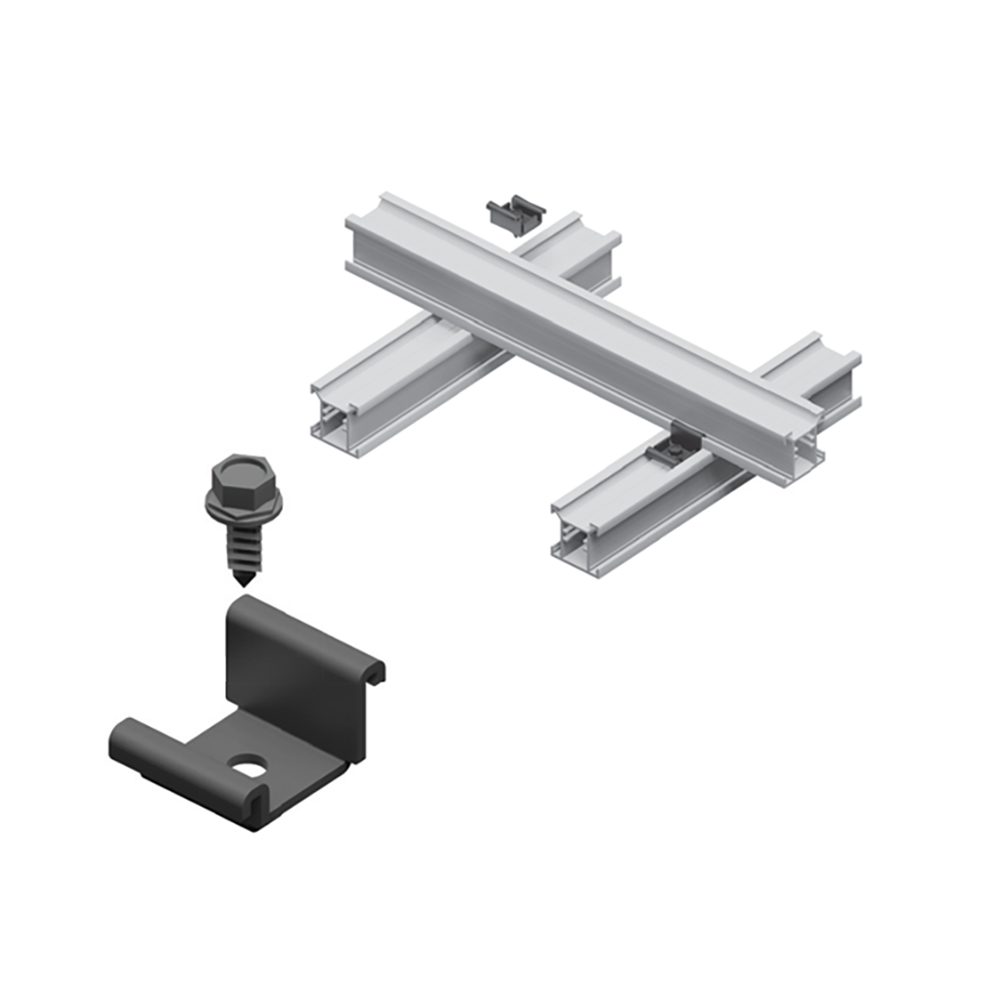
A203 Joist Anchor Bracket
Stainless steel bracket designed for fixing joists to beams. Only suitable for A120, A130, A140 and A150 variants. Supplied in pack of 25 with screws.
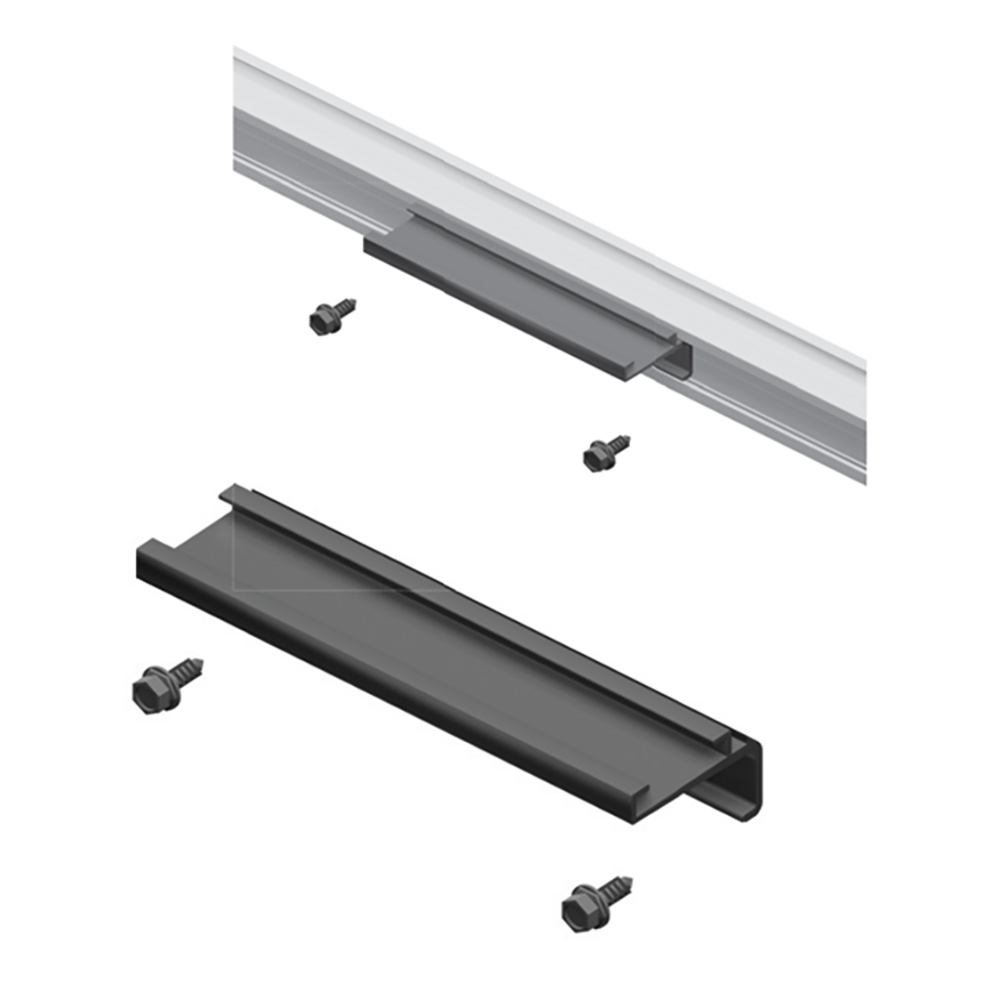
A205 Double Joist Bracket
A double joist bracket intended for the A120 joist (and up). Allows for expanded width of joist (channel side) for starting new run of boards or adding reinforcement. Supplied in pack of 10 with screws.
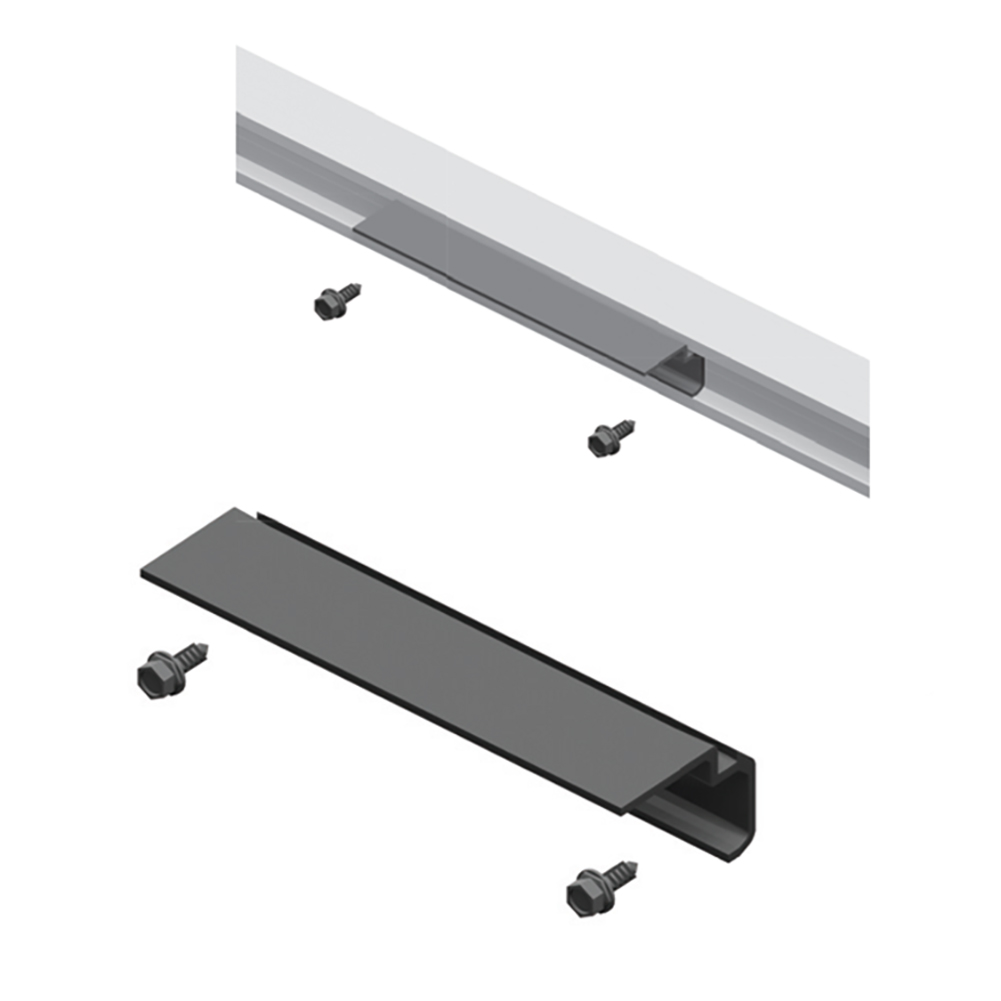
A206 Double Joist Bracket
A double joist bracket intended for the A120 joist (and up). Allows for expanded width of joist (flat side) for starting new run of boards or adding reinforcement. Supplied in pack of 10 with screws.
Speak to one of our experts today.
Call free 0808 303 46 92
Framing for mid level and elevated decks
For installation of both residential and commercial elevated decking
The ultimate versatility of Outdure® QwickBuild® enables the installer to create decks over any height. Its as functional at 3000mm as it is 31mm. This section explores deck structures at mid level and elevated heights; frames constructed between 301 and 1200mm (mid level) and frames over 1200mm (elevated)
Depending on the required height of the deck – a combination of components can be used to offer optimised support whilst meeting the desired height to the millimetre.
QwickBuild® utilises a post-to-frame approach for decks of 301mm and over. The universal A194 90 x 90mm aluminium posts are available in pre-cut sizes from 300mm to 2800mm and allow decks to be constructed over any substrate.
Warning: any structure with a drop exceeding 600mm must comply with UK building regulations (part K) and utilise railing/balustrade.
Remove the guesswork. To avoid costly mishaps, why not use our free DeckPlanner tool to provide you with the framing options you require?
Structuring mid-level frames
At mid level there are a two ways to configure a frame:
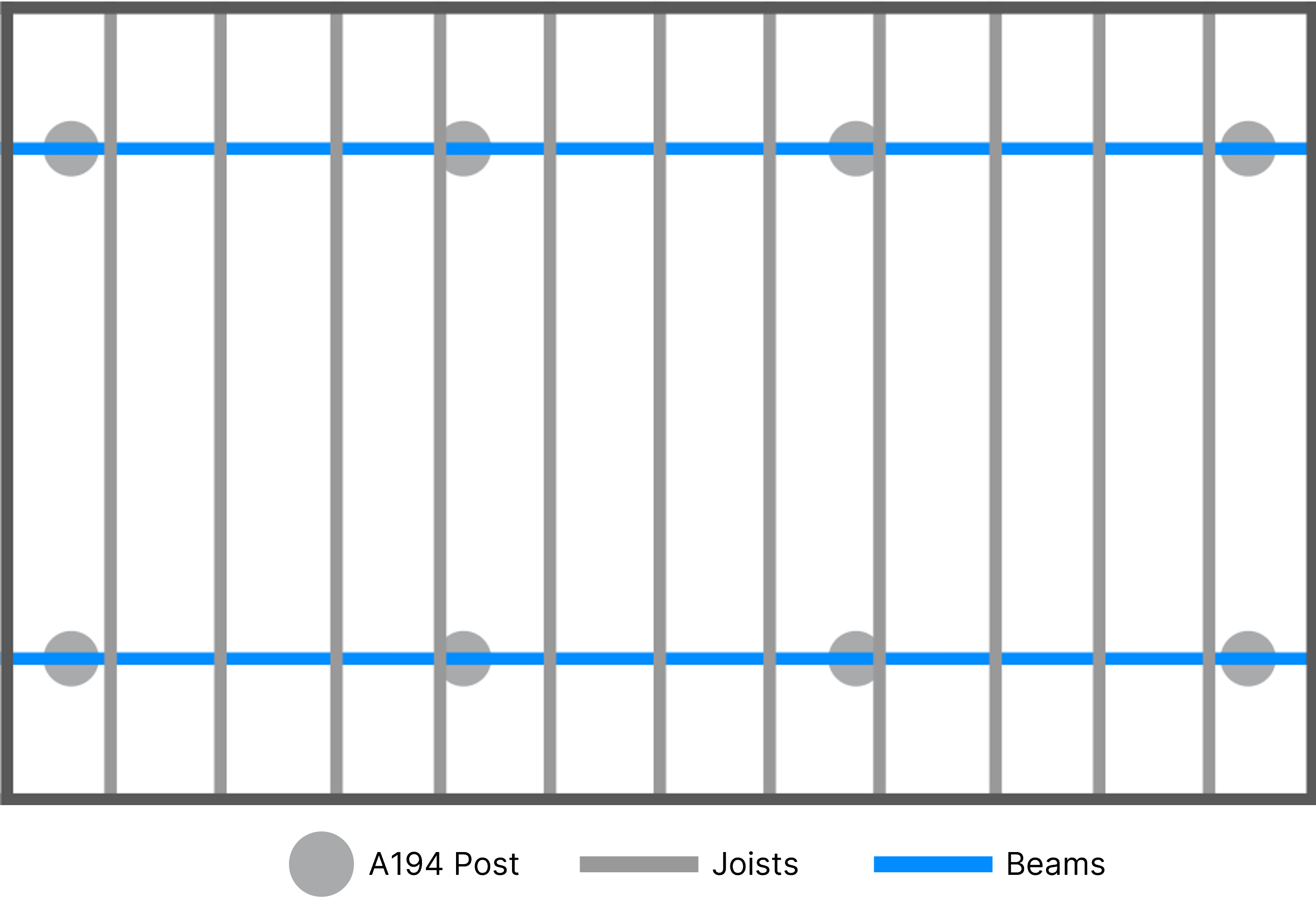
(A) Using beams and joists
Use a combination of joists and beams to create a solid frame, the beams acting as the bearers to the joists when fixed perpendicular to the beams (see diagram below). The frame in any scenario above 300mm, should always be fixed to an A194 post (which has been concreted into the substrate at a ratio of 1:2 – minimum one third submerged to two thirds exposed), using the available A210 or A211 beam to post connection brackets. Depending on loading requirements, you may wish to use double beams for greater reinforcement. Loadings will also have a bearing on the number of posts that will be required for any given system.
Minimum requirements shown below – based on residential deck at 650mm using A194 posts, A130 joist and A150 beam for composite deck boards
Ideal for mid level installations:
· A120 Joist or Beam – 45 x 45mm profile
· A130 Joist or Beam – 90 x 45mm profile
· A140 Joist or Beam – 135 x 45mm profile
· A150 Joist or Beam – 180 x 45mm profile
Joists need to be fixed securely to beams using the A203 joist anchor bracket.
Use the A205 or A206 double joist brackets to expand the width of the joists and combination of the A202 and A207 brace plates to extend the length of any beam or joist. A201 corner brackets need to be used in order to join the joists to the perimeter joists (where joins are at 90-degree angle).
Above 600mm in height, railing or balustrading must be used – find out how to integrate blocking into your deck frame to accommodate.
Scenario: For a frame height of 630mm, use of 600mm A194 90 x 90mm posts (240mm submerged) connected to the A150 beams (180mm) via the A210 and A211 brackets, supporting the A130 joist (90mm), providing an overall frame height of 630mm. Orient the joists and bracing joists according to how you’re fixing your surface.
Refer to the installation guides for more details.
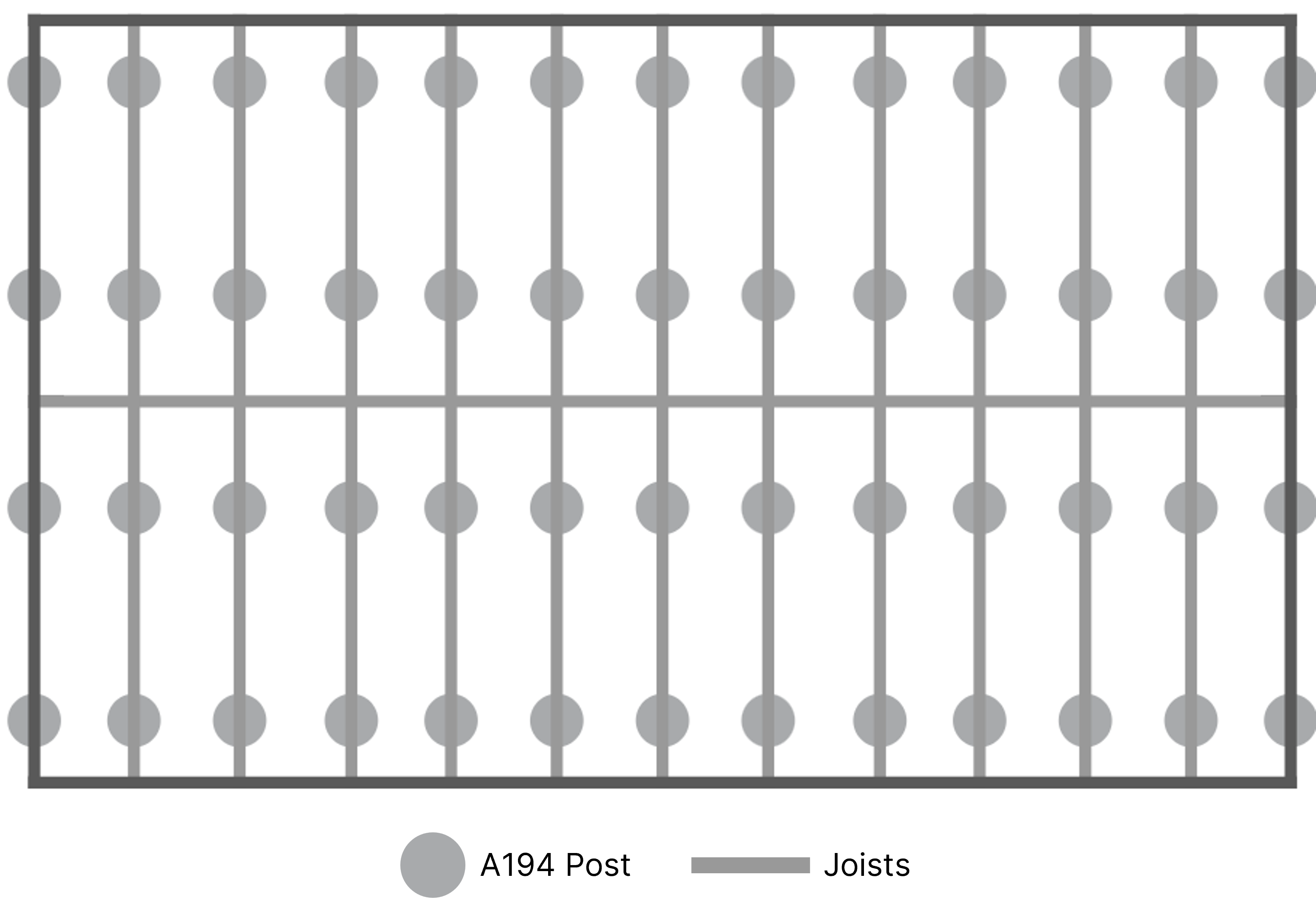
(B) Using joists only with bracing (single layer)
Employ joists, fixed laterally and longitudinally, to create a solid frame. Joist centres must not exceed 400mm. Joists should also be used to create bracing between joist centres, adding further stability to the frame (see diagram below). The frame in any scenario above 300mm should always be fixed to an A194 post (which has been concreted into the substrate at a ratio of 1:2 – minimum one third submerged to two thirds exposed), using the available A210 or A211 beam to post connection brackets. An increased / maximum number of posts will be required for this option to provide ample structural support.
Minimum requirements shown below – based on residential deck at 650mm using A194 posts, A130 joist, and A150 beam for composite deck boards
Ideal for mid level installations:
· A120 Joist – 45 x 45mm profile
· A130 Joist – 90 x 45mm profile
· A140 Joist – 135 x 45mm profile
· A150 Joist – 180 x 45mm profile
Joists need to be fixed securely to each other using the A201 90-degree corner brackets (use x1 per join on A120, x2 per join on A130, x3 per join on A140, and x4 per join for A150).
Use the A205 or A206 double joist brackets to expand the width of the joists and a combination of the A202 and A207 brace plates to extend the length of any joist.
Above 600mm in height, railing or balustrading must be used – find out how to integrate blocking into your deck frame to accommodate.
Scenario: For a frame height of 630mm, use of 900mm A194 90 x 90mm posts (340mm submerged) connected to the A130 joists and bracing joists (90mm) via the A210 and A211 brackets, providing an overall frame height of 630mm. Orient the joists and bracing joists according to how you’re fixing your surface.
Refer to the installation guides for more details.
Structuring elevated frames
We recommend only one method of structuring elevated decks.
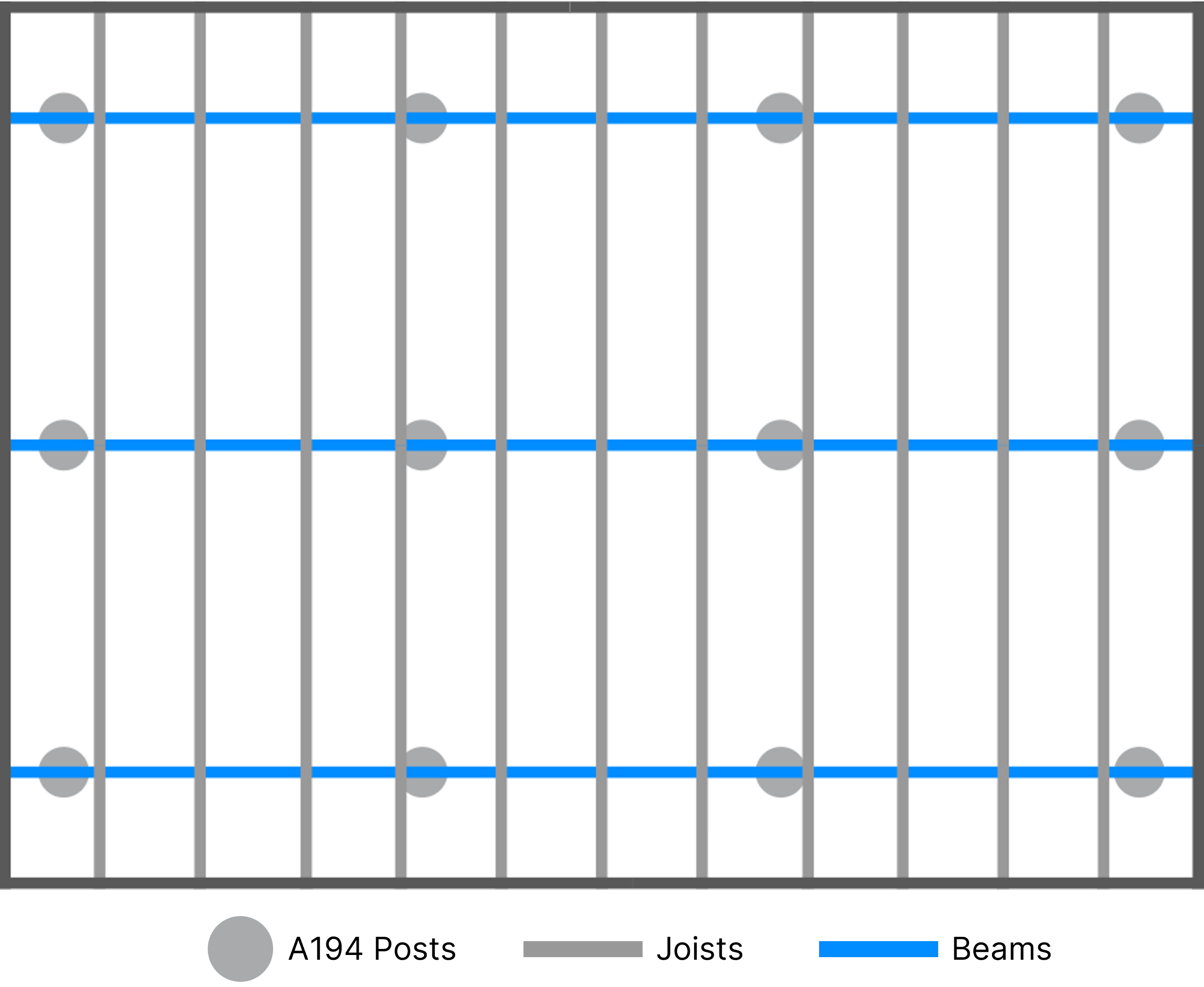
(A) Using beams and joists
Use a combination of joists and beams to create a solid frame, the beams acting as the bearers to the joists when fixed perpendicular to the beams (see diagram below). The frame in any scenario above 1200mm but below 1750mm, should always be fixed to an A194 post (which has been concreted into the substrate at a ratio of 1:2 – minimum one third submerged to two thirds exposed), using the available A210 or A211 beam to post connection brackets. Depending on loading requirements, you may wish to use double beams for greater reinforcement. Loadings will also have a bearing on the number of posts that will be required for any given system.
For frames that exceed 1750mm in height, please call your local branch to discuss specific needs. Our experts will be able to advise.
Minimum requirements shown below – based on residential deck at 1600mm using A194 posts, A130 joist and A150 beam for composite deck boards
Ideal for mid level installations:
· A120 Joist or Beam – 45 x 45mm profile
· A130 Joist or Beam – 90 x 45mm profile
· A140 Beam – 135 x 45mm profile
· A150 Beam – 180 x 45mm profile
Joists need to be fixed securely to beams using the A203 joist anchor bracket.
Use the A205 or A206 double joist brackets to expand the width of the joists and combination of the A202 and A207 brace plates to extend the length of any beam or joist. A201 corner brackets need to be used in order to join the joists to the perimeter joists (where joins are at 90 degree angle).
Above 600mm in height, railing or balustrading must be used – find out how to integrate blocking into your deck frame to accomodate.
Scenario: For a frame height of 1600mm, use of 2800mm A194 90 x 90mm posts, cut to 2000mm (670mm of that submerged) connected to the A150 beams (180mm) via the A210 and A211 brackets, supporting the A130 joist (90mm) providing an overall frame height of 1600mm. Orient the joists and bracing joists according to how you’re fixing your surface.
Refer to installation guides for more detail.
For frames in excess of 1750mm in height – please call 0808 303 46 92 to discuss bespoke options
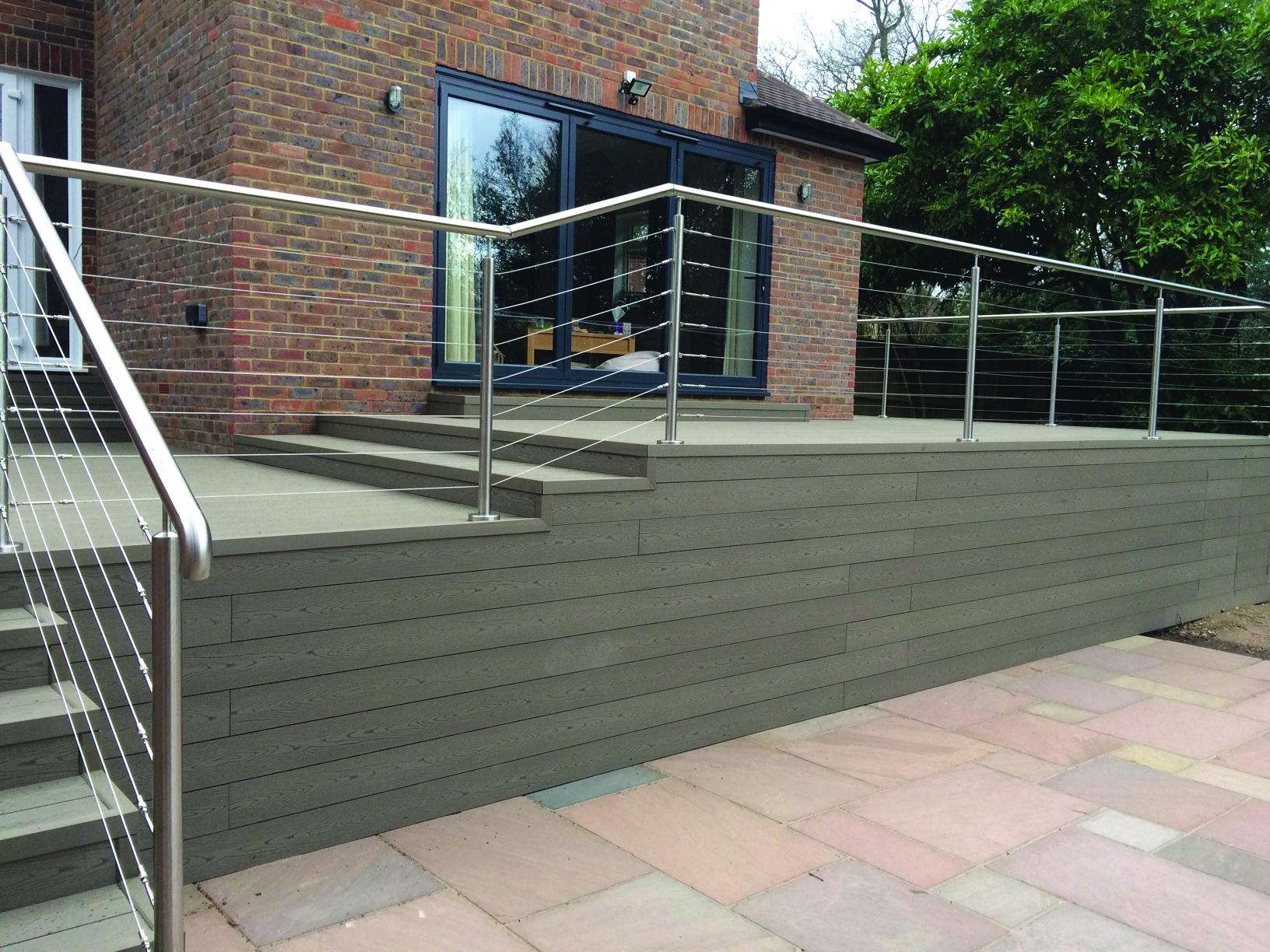
Elevated decks require railing or balustrade to comply with UK building regulations part K
Mid level and elevated up to 1750mm high frames
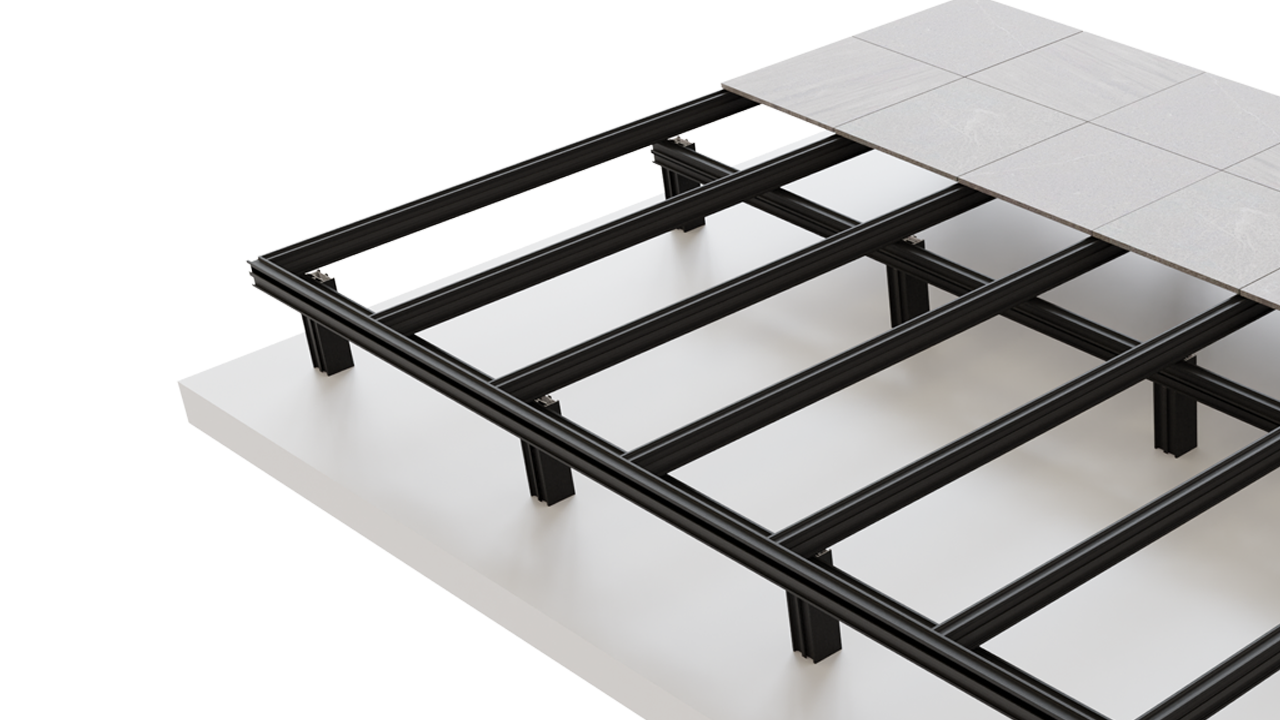
Mid level and elevated decks will require the use of the A194 post (up to frame heights of 1750mm). Beyond that, a more substantial post will be required – for those bespoke requirements, please give us a call.
The benefits to using QwickBuild® at this level over wood, composite or polymer framing are multiple. Here are a few examples:
• An aluminium structure provides greater strength and rigidity than timber – preventing bowing or twisting of posts and beams, and is resistant to rot and other degradation.
• QwickBuild’s innovative bracing brackets (A210 and A211) provide optimal strength when coupling the frame to posts at elevated heights.
• Aluminium is a lightweight material, which allows for single-person installation – reducing labour costs.
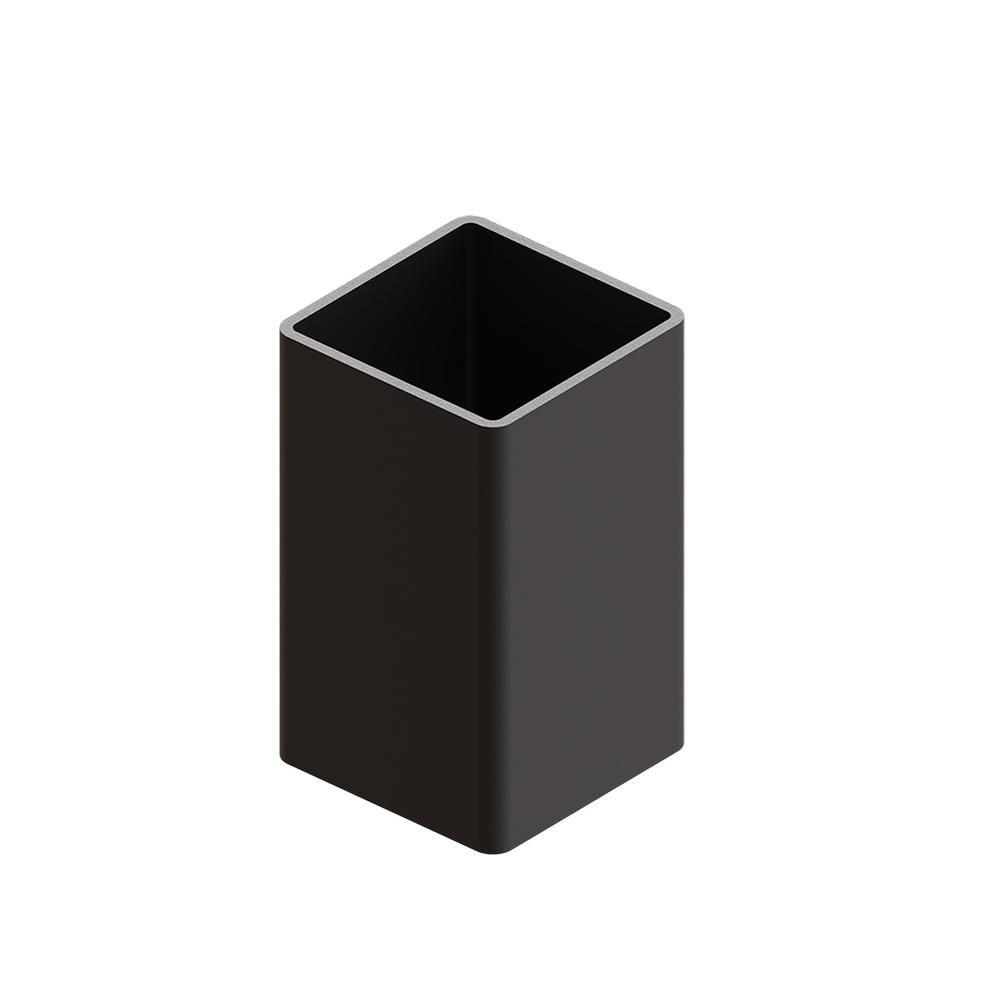
A194 90 x 90mm Post
Vertical support post for mid level and elevated deck frames – can be used in any system from 300mm up to 1750mm in height. Wall thickness of 4mm. Available in pre-cut lengths of 300mm, 600mm, 900mm, 1200mm & 1500mm
A194 90 x 90mm Post – 2800mm length
Full 2800mm length vertical support post for elevated deck frames – can be used in any elevated system up to 1750mm in height. Wall thickness of 4mm.
A120 Beam / Joist
45 x 45 x 5800 low profile beam or joist. Can be used in either orientation dependent on surface type.
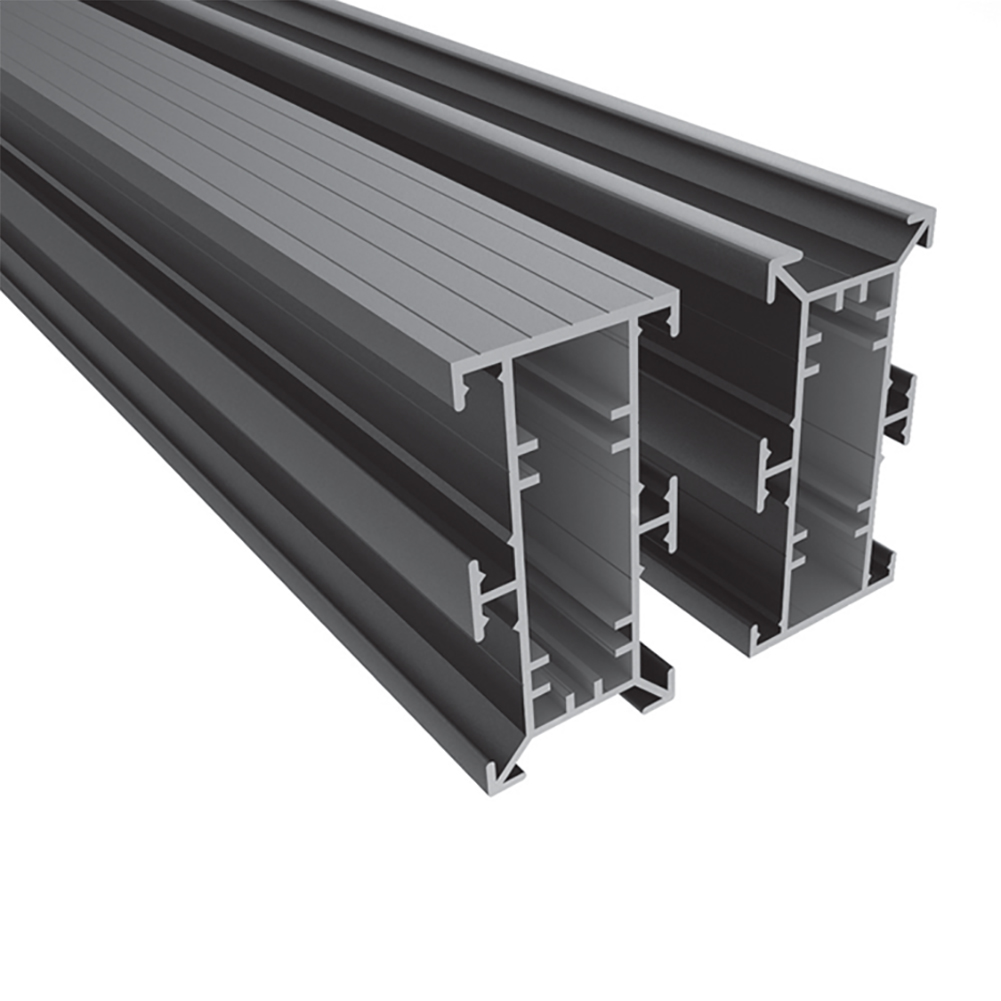
A130 Beam / Joist
90 x 45 x 5800 low profile beam or joist. Suitable for framing where blocking for frameless balustrading is required. Can be used in either orientation dependent on surface type.
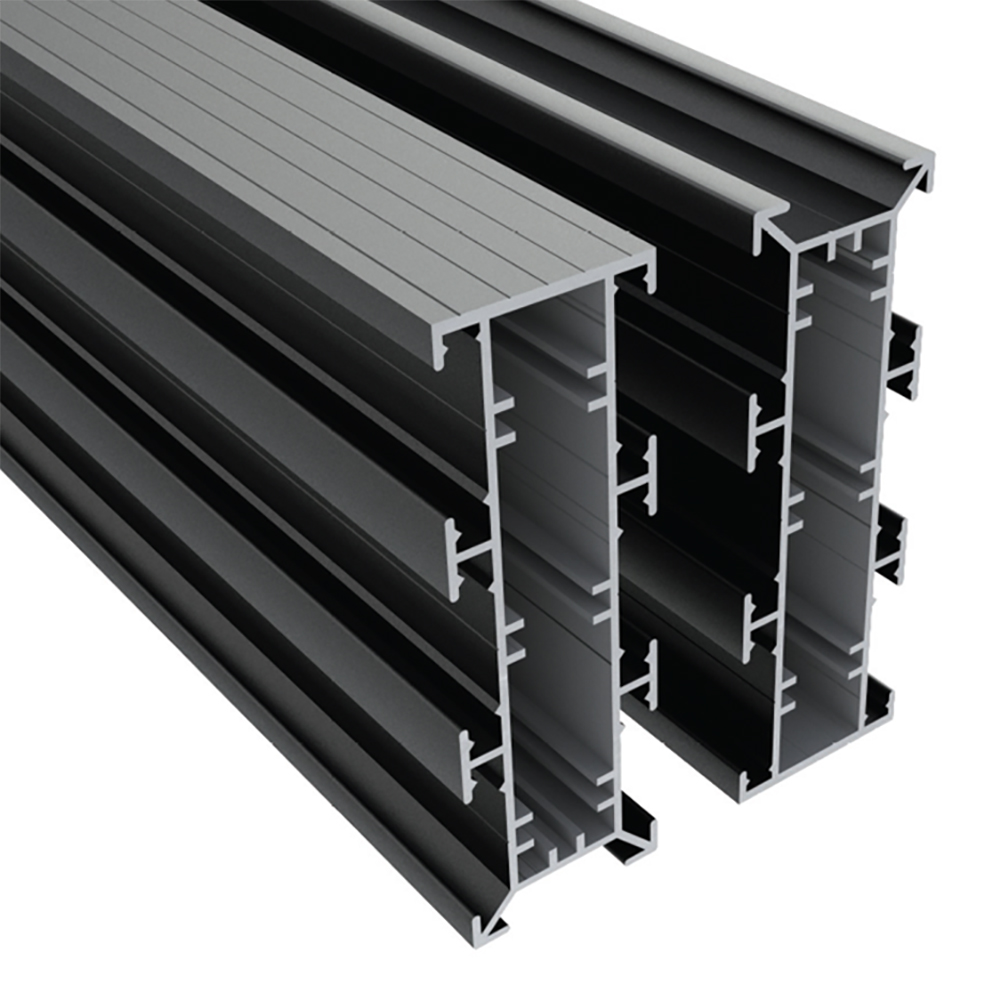
A140 Beam / Joist
135 x 45 x 5800 low profile beam or joist. Suitable for framing where blocking for railings is required. Can be used in either orientation dependent on surface type.
A150 Beam / Joist
180 x 45 x 5800 low profile beam or joist. More often used in elevated structures. Can be used in either orientation dependent on surface type.
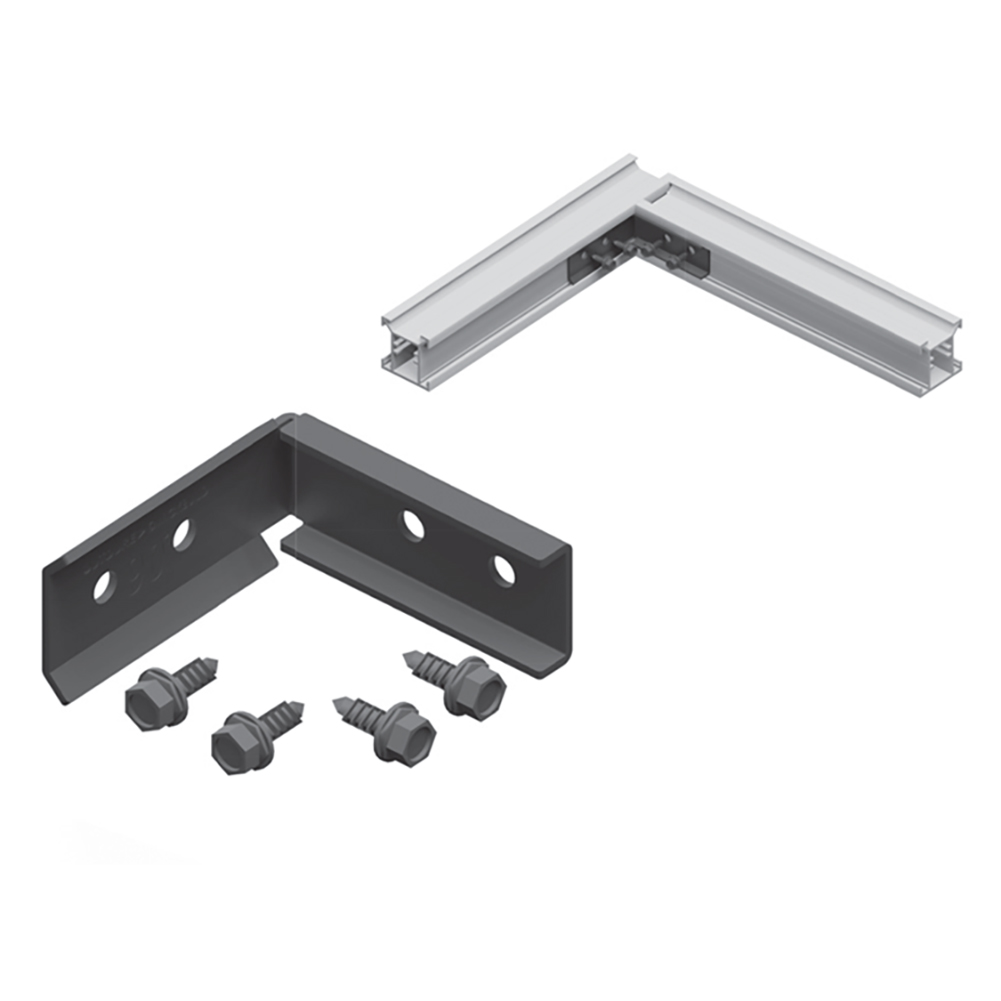
A201 Corner Bracket
For use on A120 – A150 joists, suitable for connecting joists with bracing or perimeter joists. Use one bracket for each channel (e.g. connecting x2 A140 at a corner requires x3 A201 brackets). Supplied in pack of 10 with screws.
A202 Joist Joiners
Joining bracket specifically for extending the length of the A120 (and up) beam/joist, when lengths beyond 5800mm are required. Supplied in pack of 10 with screws.
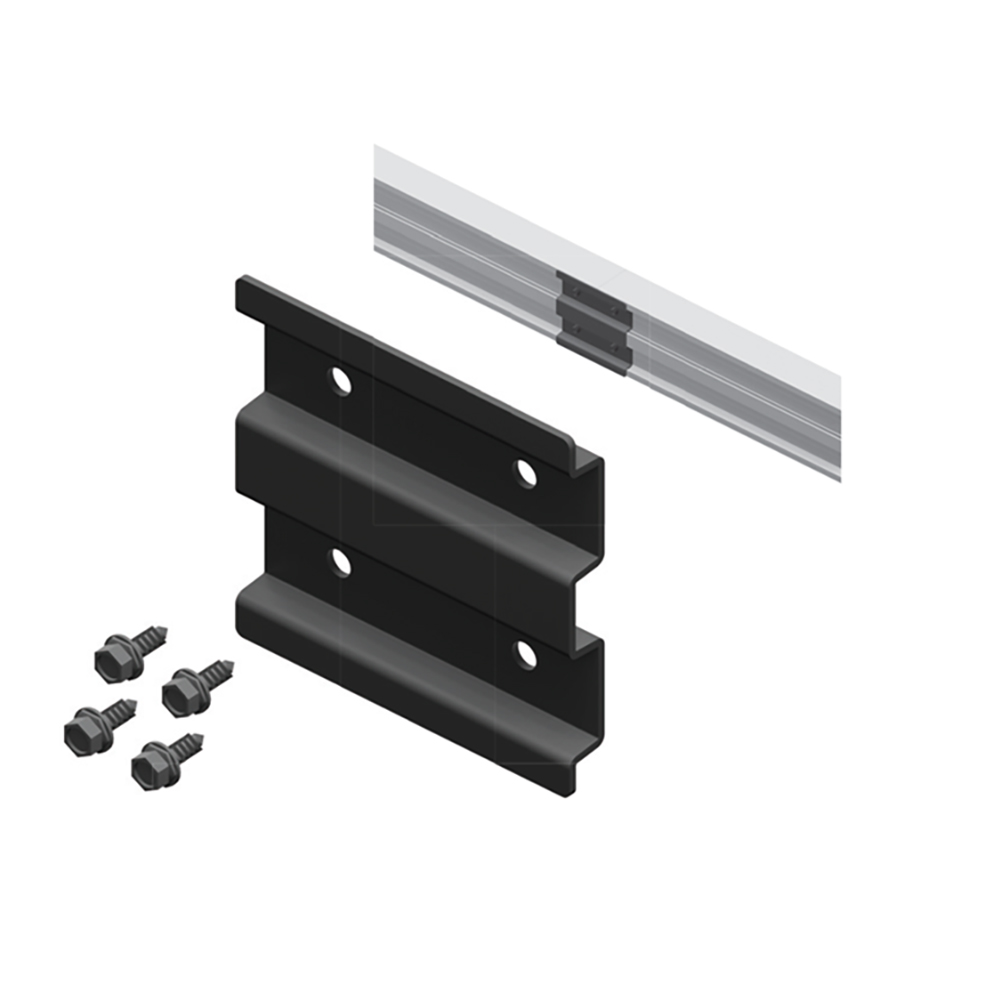
A207 Bracing Plate Bracket
Bracing bracket specifically for extending the length of the A130 (and up) beam/joist, when lengths beyond 5800mm are required. Supplied in pack of 10 with screws.
A203 Joist Anchor Bracket
Stainless steel bracket designed for fixing joists to beams. Only suitable for A120, A130, A140 and A150 variants. Supplied in pack of 25 with screws.
A205 Double Joist Bracket
A double joist bracket intended for the A120 joist (and up). Allows for expanded width of joist (channel side) for starting new run of boards or adding reinforcement. Supplied in pack of 10 with screws.
A206 Double Joist Bracket
A double joist bracket intended for the A120 joist (and up). Allows for expanded width of joist (flat side) for starting new run of boards or adding reinforcement. Supplied in pack of 10 with screws.
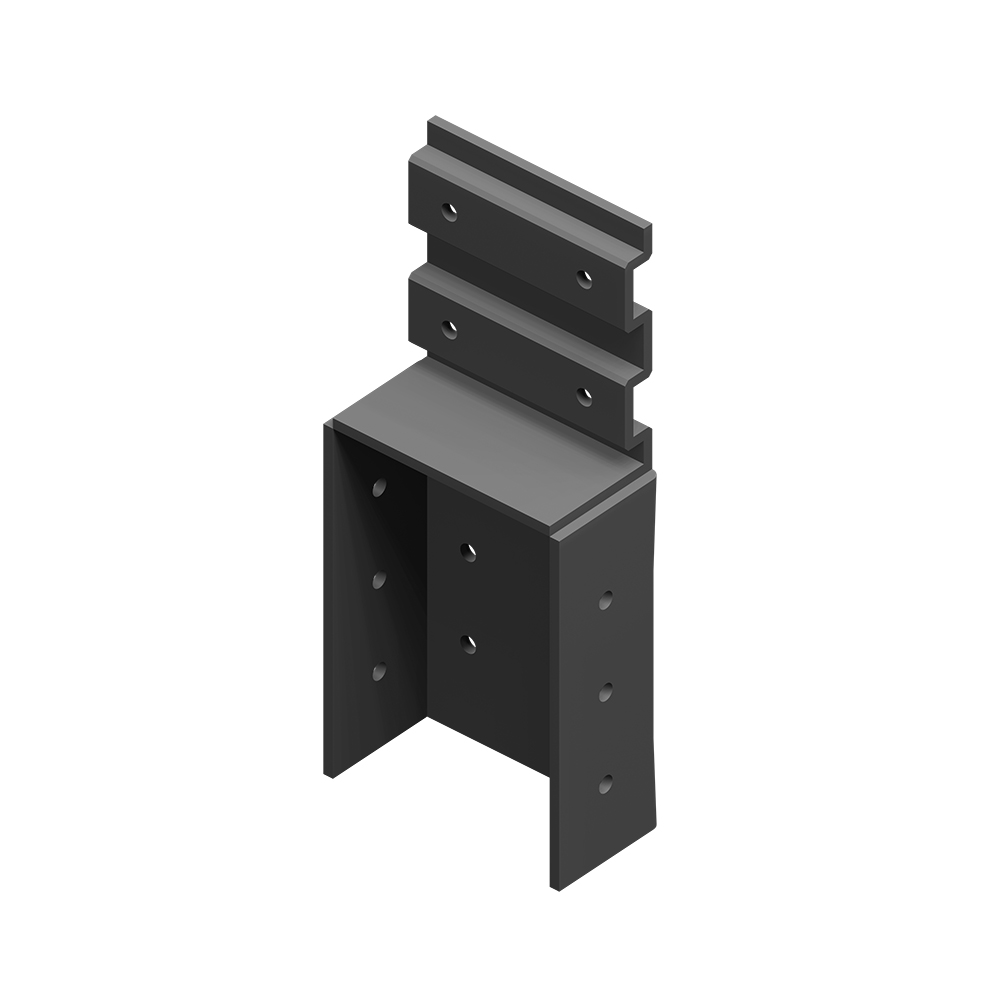
A210 Post to Beam Bracket (A)
Required for bracing A194 posts to beams / joists. Used with A211 when fixing a single beam / joist or in a pair when fixing a double beam. Supplied with screws.
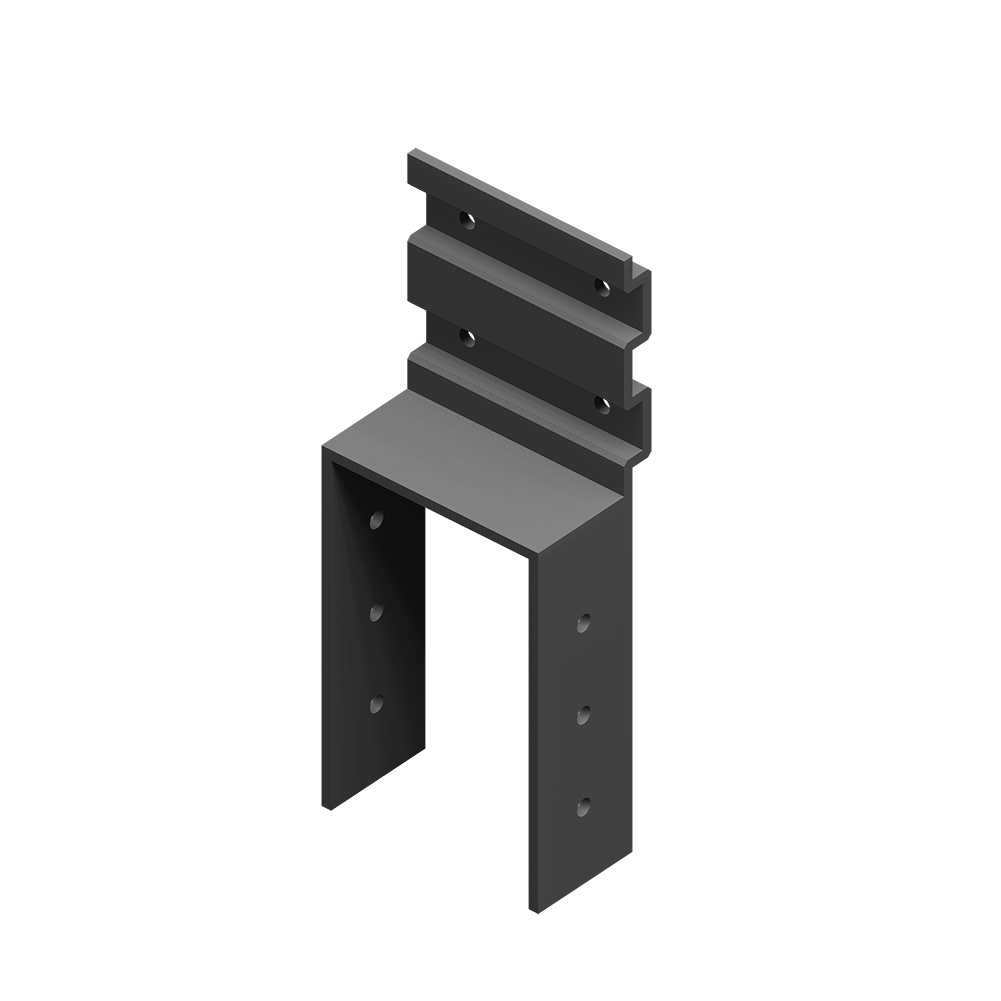
A211 Post to Beam Bracket (B)
Required for bracing A194 posts to beams / joists. Used with A210 when fixing a single beam / joist. Supplied with screws.
Outdure® QwickBuild® is exclusively distributed by F.H.Brundle in the UK. The Outdure® brand is used with the permission of Outdure International Ltd ® – All right reserved.


