

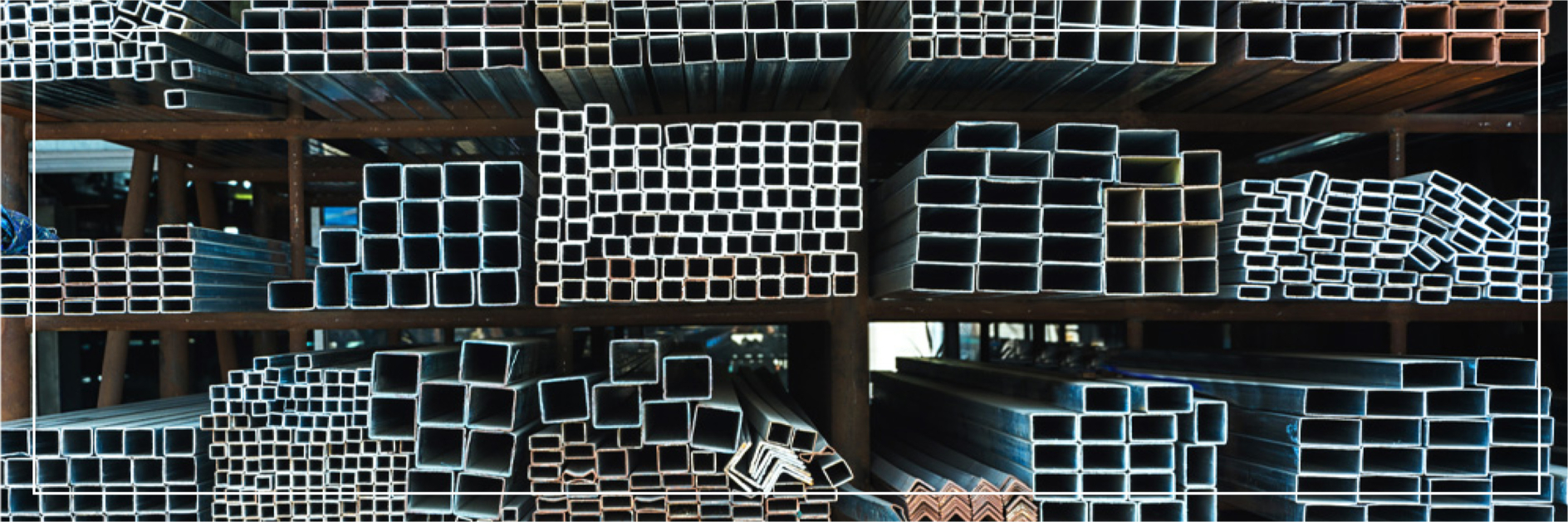
Why choose Aluminium Profiles?
What are aluminium profiles?
Aluminium profiles are extruded or rolled structural sections – including angles, flat bars, hollow sections, round bar, square bar and sheet – manufactured from aluminium alloys. Unlike steel, aluminium is naturally corrosion resistant: it forms a thin, stable aluminium oxide layer on its surface that protects the underlying metal from further oxidation without the need for surface treatments such as galvanising or painting.
The two alloys most commonly specified for structural and fabrication use are Alloy 6063 (typically supplied in T6 temper), which is the standard for architectural and general-purpose extruded sections, and Alloy 6082 (T6 temper), which delivers higher tensile and yield strength and is preferred where increased structural performance is required. Both alloys provide excellent corrosion resistance, good weldability and a weight approximately one third that of equivalent steel sections.
Aluminium profiles are specified across an exceptionally wide range of applications – from architectural metalwork, balustrade, cladding and framing to industrial equipment, transport, marine and coastal structures – wherever a combination of low weight, structural performance, corrosion resistance and visual quality is required.
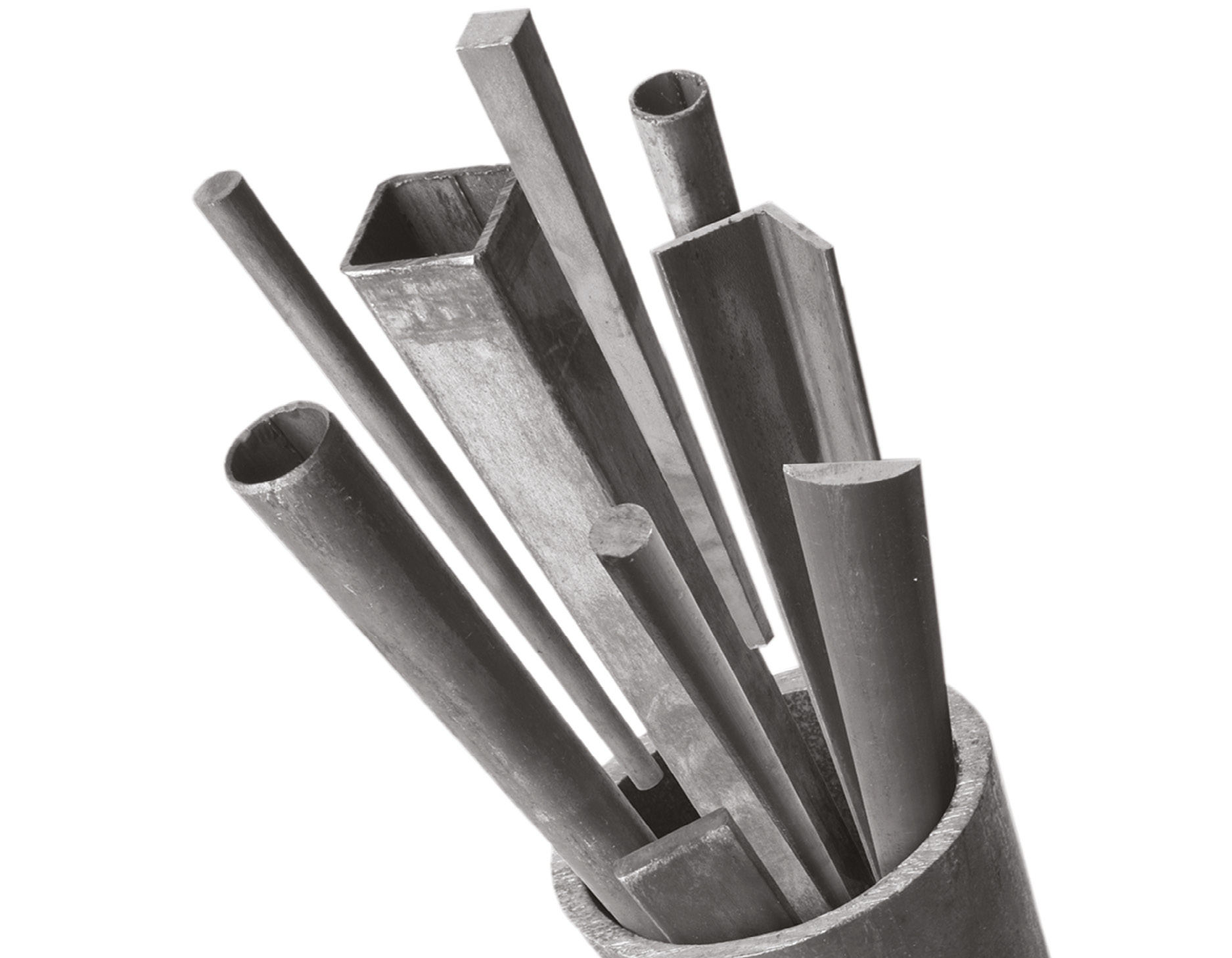
What aluminium profile sections are available?
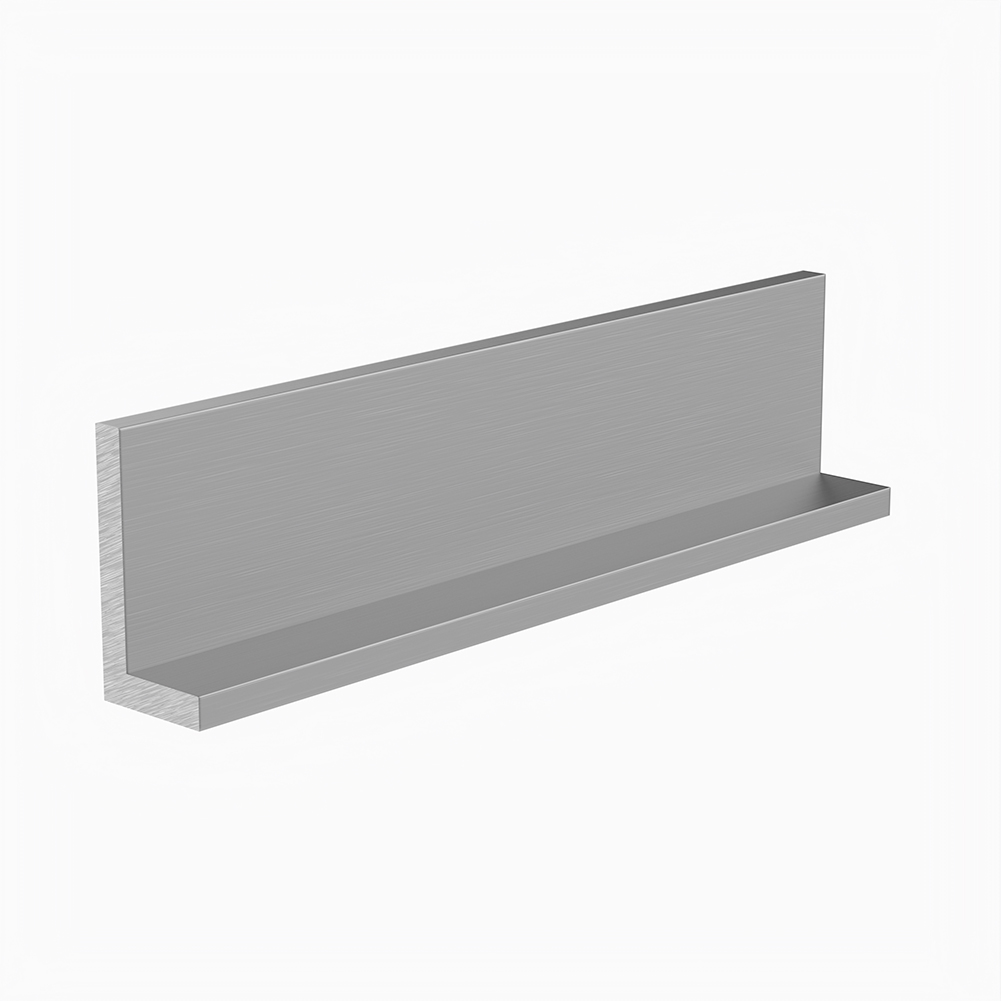
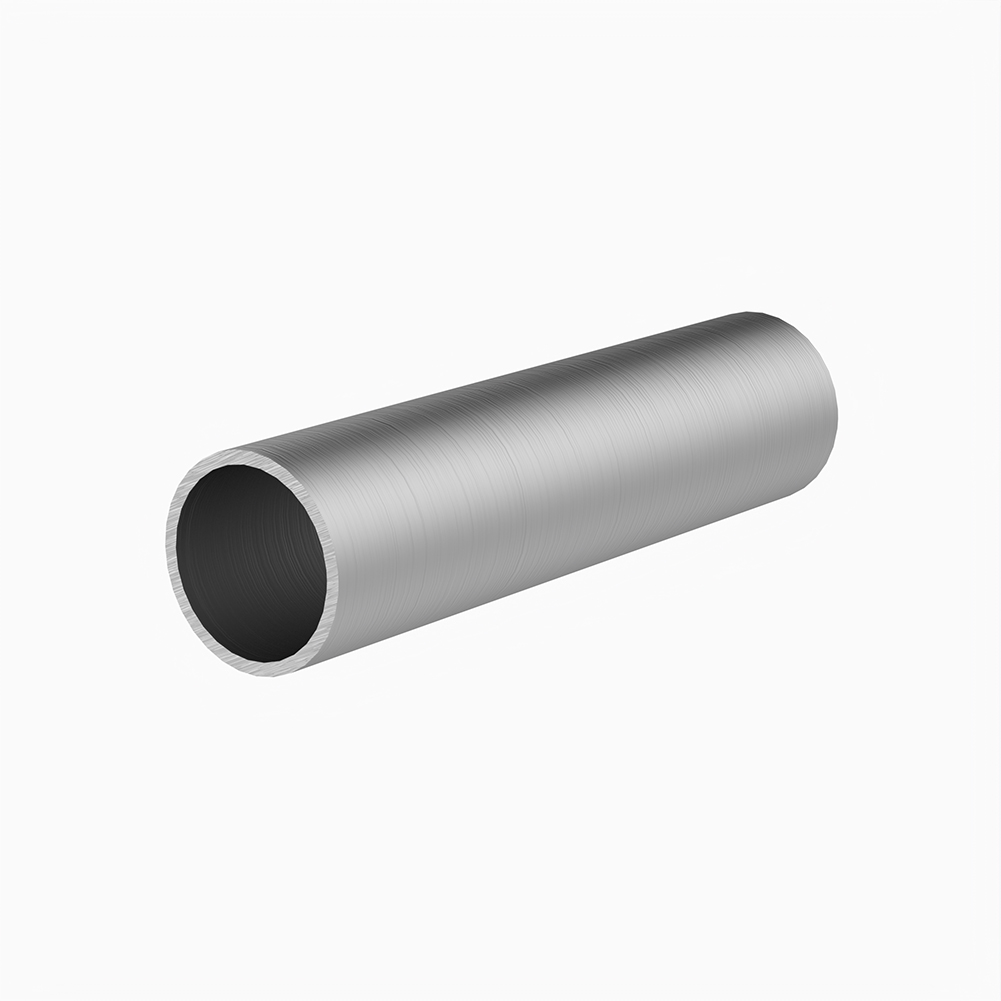
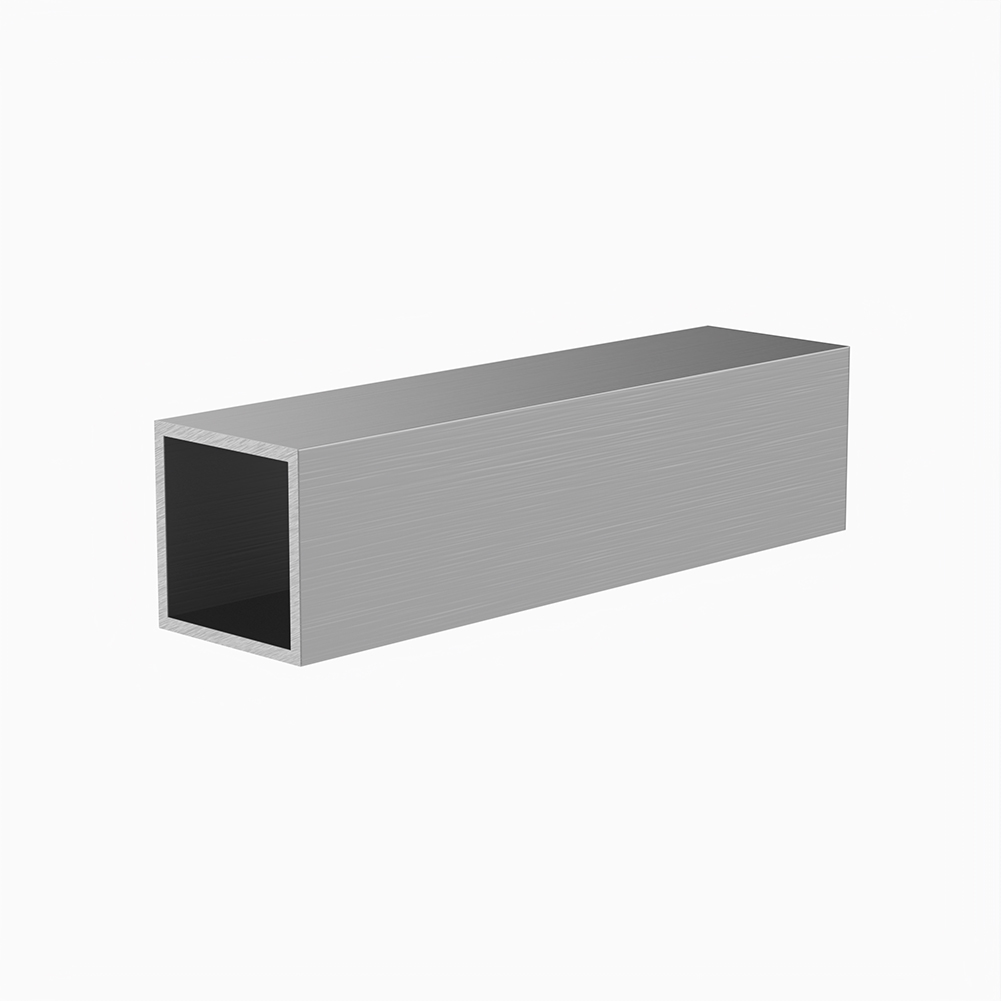
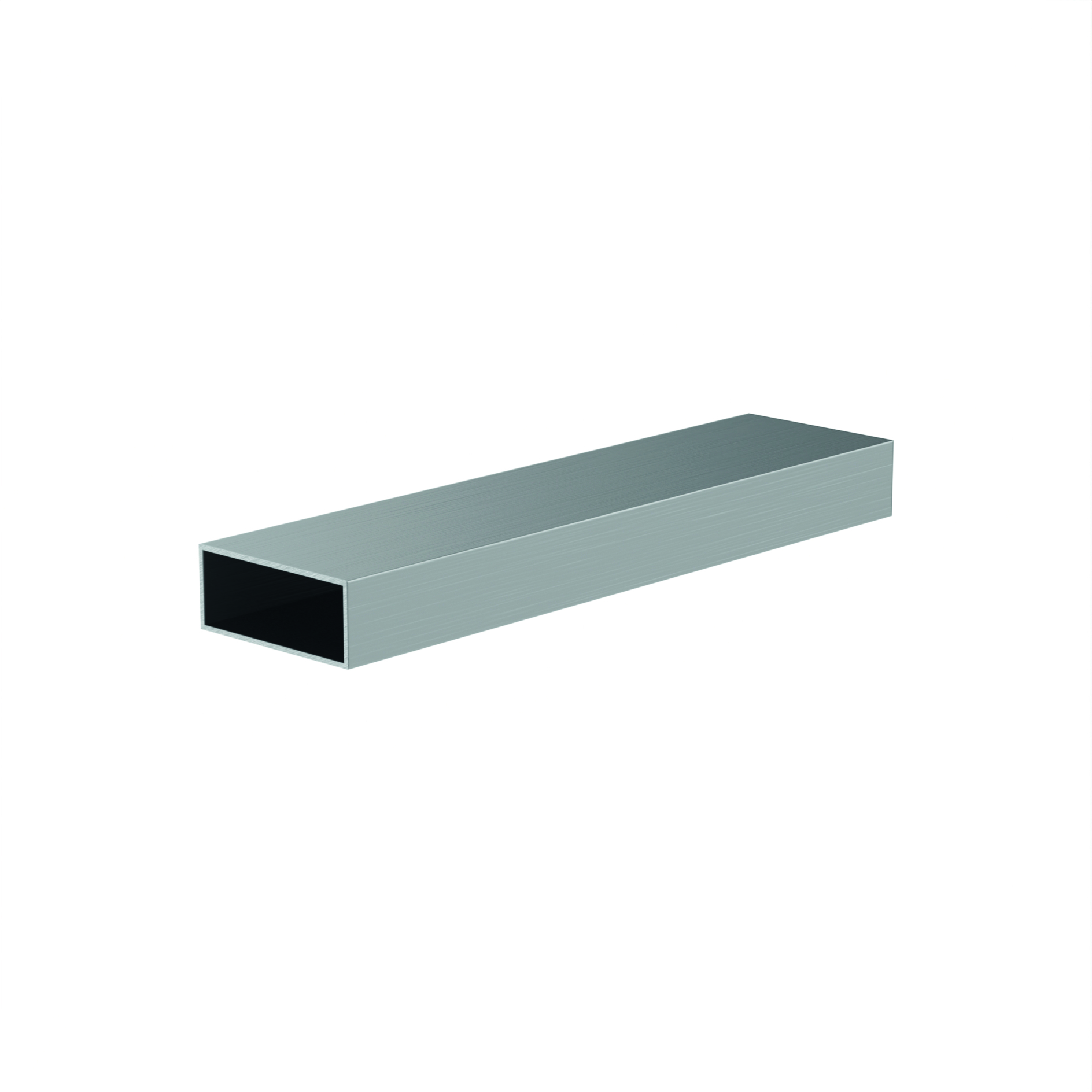
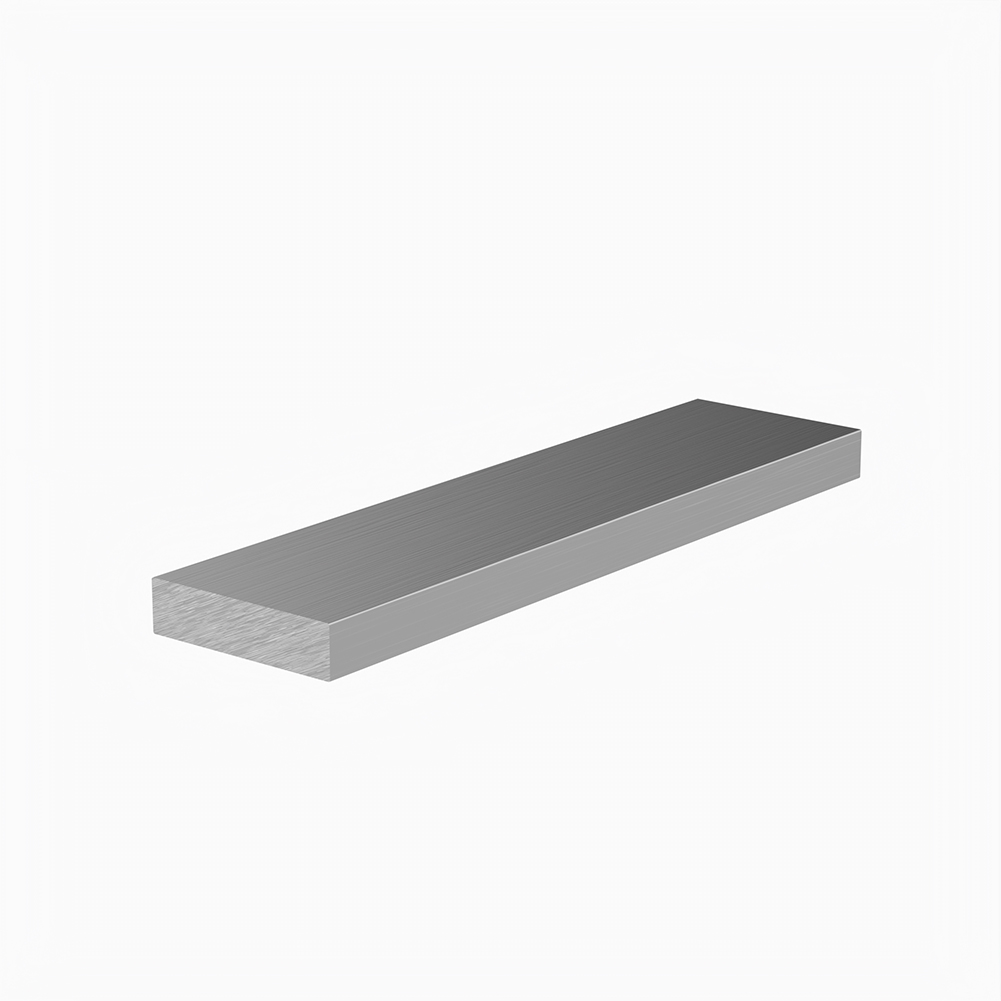
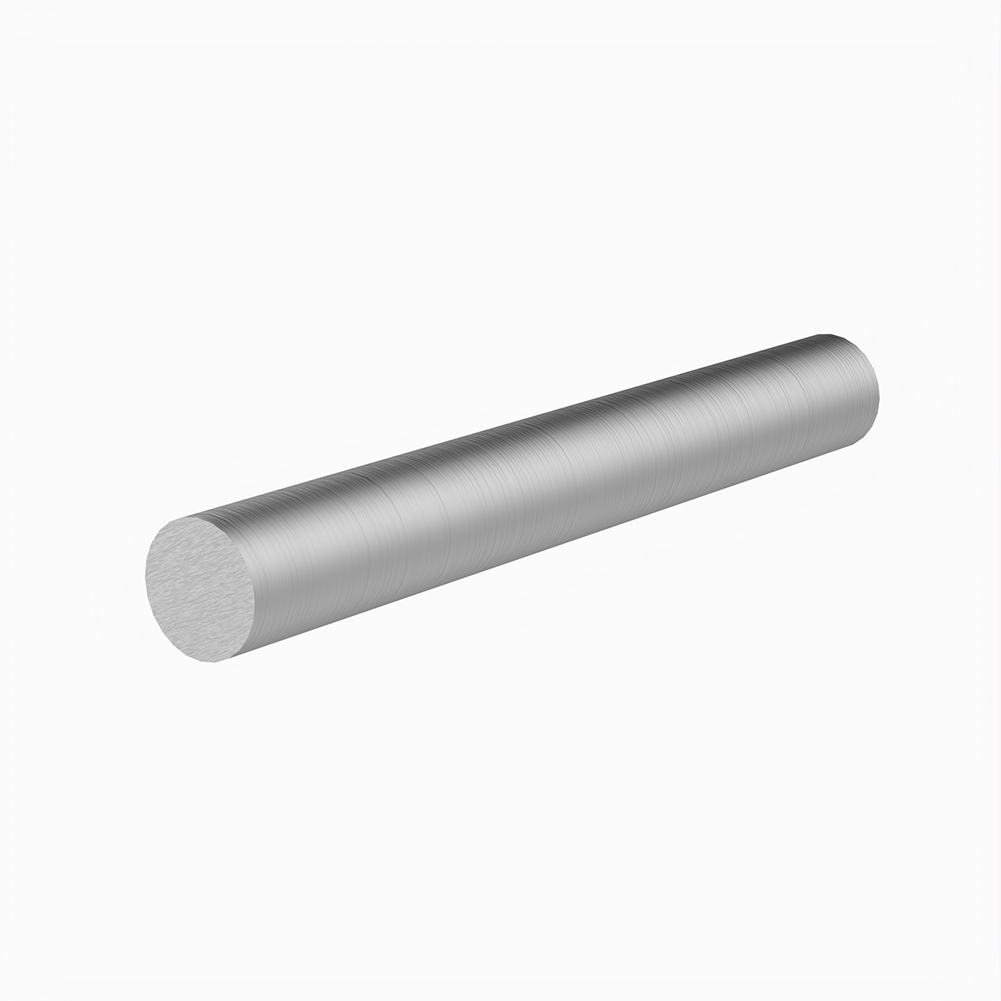
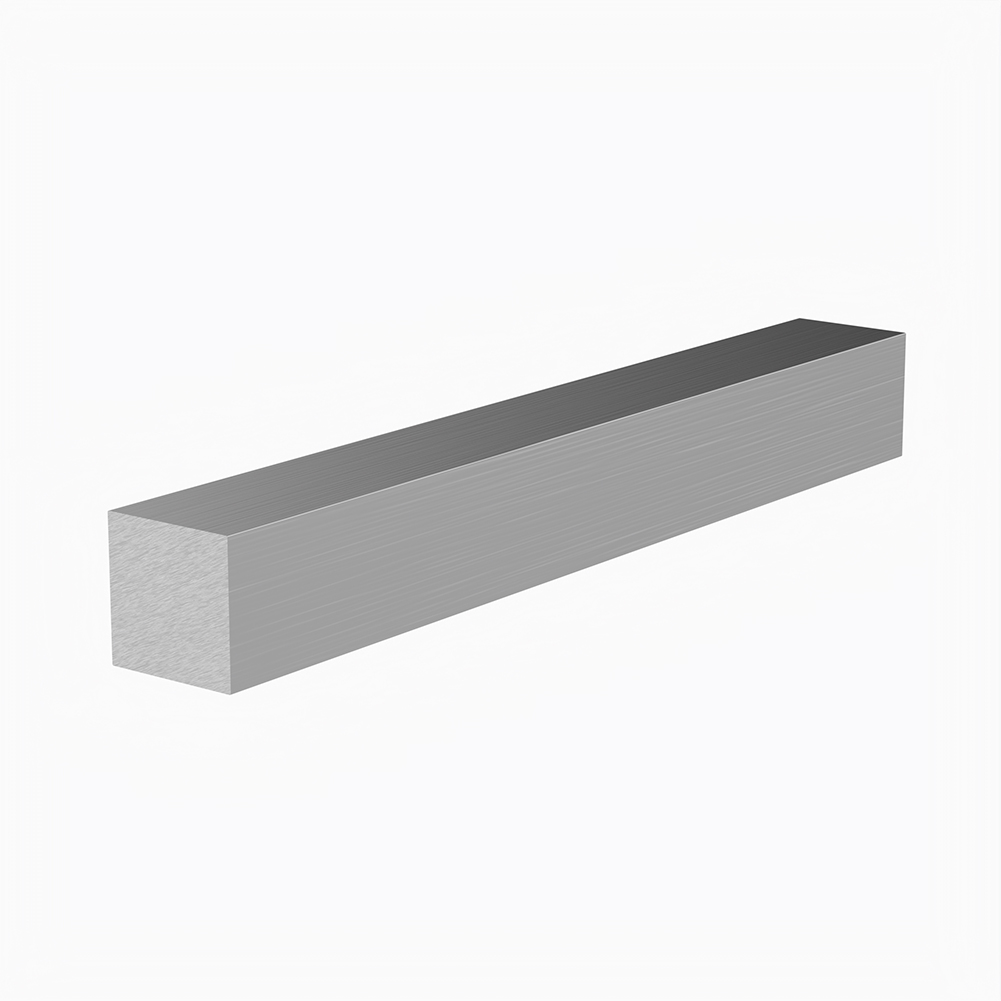
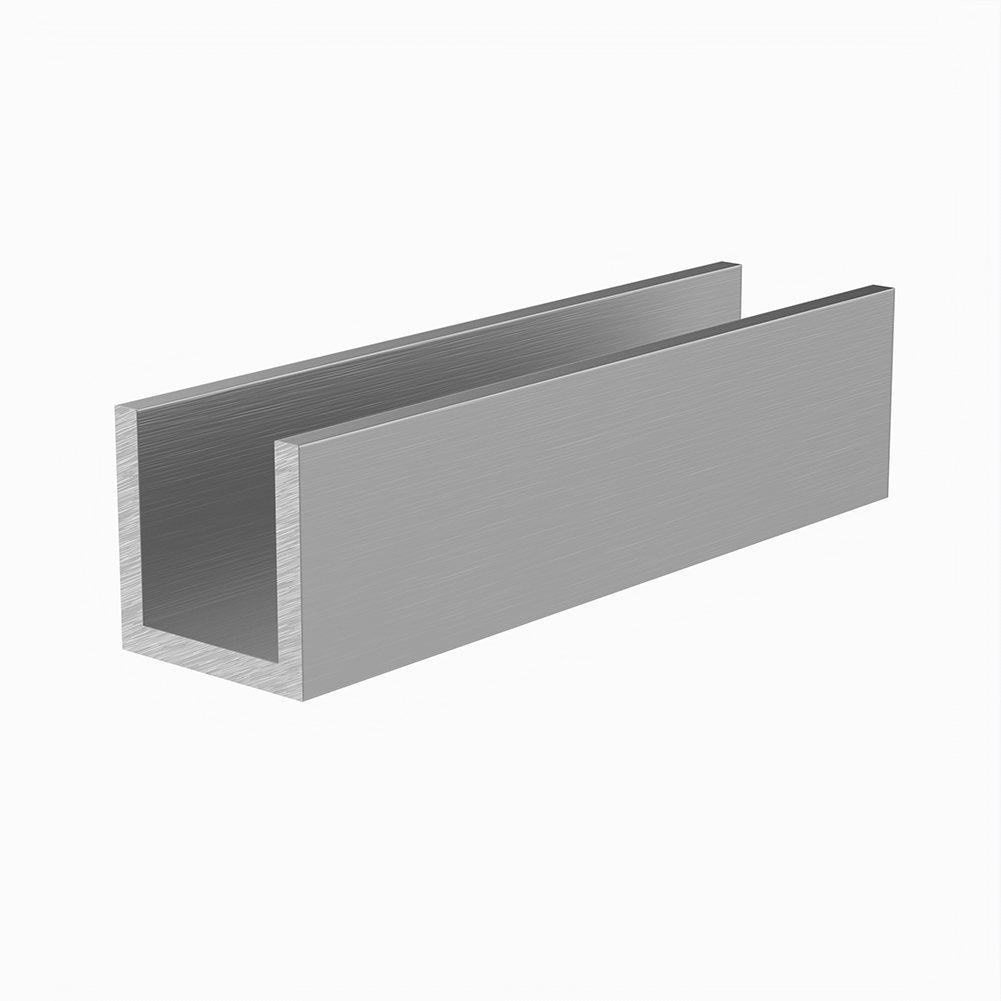
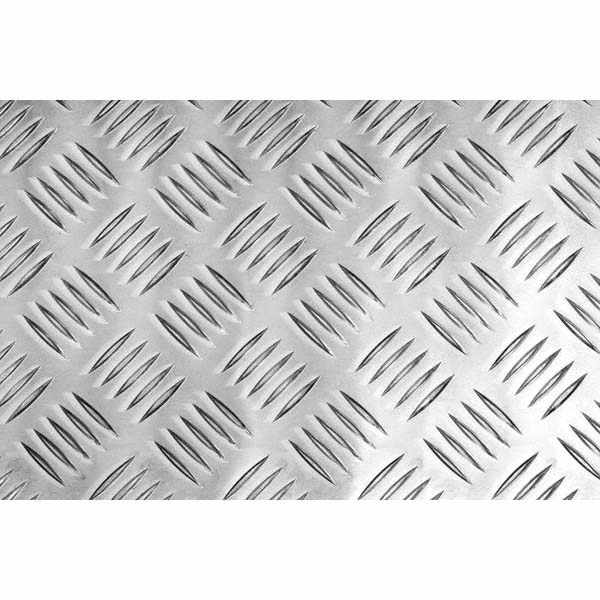
At F.H.Brundle, we supply a comprehensive selection of aluminium sections in standard metric sizes across both Alloy 6063 and Alloy 6082. Common profiles available include equal and unequal angles, rectangular hollow sections (RHS), square hollow sections (SHS), circular hollow sections (CHS), flat bar, round bar, square bar, channels, sheets and chequer plate. Available from stock in a range of standard lengths to suit structural, architectural and fabrication applications.
| Feature Category | Key Benefit | Detail |
|---|---|---|
| Corrosion Resistance | No Rust, No Coating | Aluminium naturally forms a self-protective aluminium oxide layer. Unlike steel, it does not rust and requires no galvanising, painting or surface treatment to maintain corrosion resistance. |
| Weight | Lightweight – One Third of Steel | Aluminium profiles weigh approximately one third as much as equivalent steel sections. This reduces structural loads, simplifies handling and lowers installation costs – particularly advantageous in roofing, cladding and transport applications. |
| Strength-to-Weight | Full Load-Bearing Capability | Stainless steel retains excellent tensile strength, yield strength and impact resistance. Grade 316 in particular is well suited to structural applications in demanding environments. |
| Maintenance | High Structural Efficiency | Alloys such as 6063-T6 and 6082-T6 deliver high yield strength relative to weight. This makes aluminium profiles well suited to structural applications where minimising dead load is a design priority. |
| Maintenance | Low Whole-Life Cost | Aluminium requires no protective surface treatments in service. Periodic cleaning is all that is needed to maintain both performance and appearance throughout the product’s service life. |
| Sustainability | Fully Recyclable | Aluminium requires no protective surface treatments in service. Periodic cleaning is all that is needed to maintain both performance and appearance throughout the product’s service life. |
| Thermal & Electrical | Non-Magnetic, Good Conductor | Aluminium is non-magnetic and a good conductor of heat and electricity, making it the preferred material in electrical enclosures, heat management structures and specialist engineering applications. |
| Alloy Options | 6063 and 6082 Available | Alloy 6063 (T6 temper) is the standard specification for extruded sections used in architectural and general fabrication applications. Alloy 6082 (T6 temper) provides higher strength and is specified where greater structural performance is required. |
| Availability | Stock & Cut-to-Length | Standard metric sizes available from stock for next-day or 48-hour delivery. Cut-to-length options available on selected products to reduce on-site waste and labour. |
Where are aluminium profiles used?
Aluminium profiles are specified across a very wide range of applications. In construction and architectural metalwork, they are routinely used for balustrade and handrailing systems, structural frames for glazing and canopies, cladding support frameworks, balcony edge protection and feature metalwork. The combination of low weight and visual finish makes aluminium the preferred material for exposed metalwork where steel would impose unnecessary structural load.
In industrial environments, aluminium RHS and SHS are used in equipment frames, conveyor structures, racking systems and machine guards. Aluminium angles and flat bar are widely used as edge protectors, shelf supports, bespoke brackets and framing components.
In transport and automotive applications, aluminium hollow sections are extensively used for vehicle bodyframes, trailer structures, vehicle racking systems and load-bed platforms – the weight saving directly improving payload capacity and fuel efficiency.
Coastal and marine applications – including pontoon frameworks, sea-front railings, marina structures and offshore platforms – benefit from aluminium’s inherent resistance to salt-laden air and seawater, without requiring the grade uplifts (such as moving from 304 to 316 stainless steel) that are necessary with other materials.
Why are stainless steel profiles growing in popularity?
There are three core reasons why aluminium profiles continue to grow in specification and use:
(1) Weight advantage: aluminium profiles weigh approximately one third as much as equivalent steel sections. In applications where structural dead load is a design constraint – roofing systems, mezzanine platforms, vehicle bodies, portable structures – this weight saving delivers direct benefits in terms of structural efficiency, handling, installation speed and whole-life operational performance.
(2) Maintenance-free performance: unlike painted or galvanised steel, aluminium requires no periodic recoating, re-painting or surface treatment. The self-protecting aluminium oxide layer is continuously self-maintaining – meaning the material protects itself throughout its service life. In applications where access for maintenance is difficult or costly, this characteristic is particularly valuable.
(3) Aesthetic quality and finish versatility: aluminium profiles can be supplied in mill finish (suitable for most structural and industrial applications), anodised finishes (which enhance corrosion resistance and provide a range of decorative colours) or powder-coated finishes. The clean, consistent surface quality makes aluminium the premium choice for exposed architectural metalwork, shopfitting, signage frames and contemporary balustrade and balcony applications.
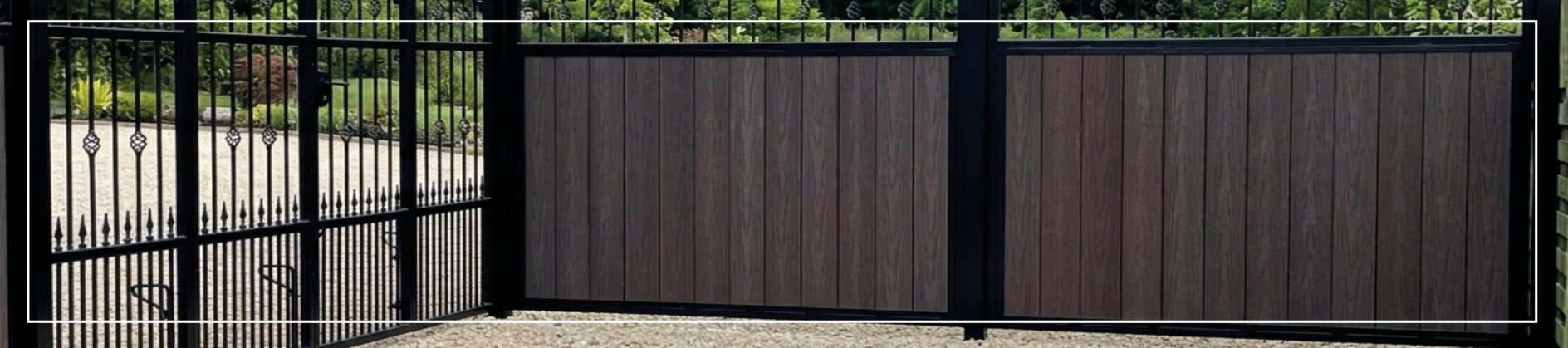
How to buy
Once you have identified that aluminium profiles are the right choice for your application, there are a few key decisions to work through before placing your order.
1. Choose your alloy – select Alloy 6063-T6 for general structural, architectural and fabrication applications. Specify Alloy 6082-T6 where higher strength is required – for example, in load-bearing frames, structural platforms and applications with greater mechanical demand.
2. Choose your section type – select the profile shape best suited to your structural or fabrication requirement. Angles are ideal for bracketing, edge protection, framing and structural reinforcement. Hollow sections (RHS, SHS, CHS) are widely used where a clean, closed-face finish is required for gates, handrails, frames and furniture. Flat and round bar are used for ties, shelf supports, balusters, bespoke brackets and decorative elements.
3. Specify the size – aluminium profiles are available in a range of standard metric sizes. Consult load tables or your structural engineer to confirm the correct section size for your application. Standard stock sizes are listed on each product page at fhbrundle.co.uk.
4. Select the length – standard stock lengths (typically 2m, 3m and 6m depending on section type) are available for immediate despatch. If you require cut-to-length sections to minimise waste, this option is available on selected products.
5. Consider the finish – the standard mill finish is suitable for most structural and industrial applications. Where a more refined appearance is required – for balustrade, handrailing, shopfitting or architectural metalwork – consider anodised or powder-coated finishes. Please enquire with your branch for finish availability on specific profiles.
FAQs
Yes – aluminium alloys, particularly Alloy 6082-T6, are widely specified for structural applications including load-bearing frames, mezzanine platforms, vehicle bodies, access equipment and marine structures. While aluminium has a lower elastic modulus than steel (meaning it deflects more under equivalent loads), this is accounted for in structural design through appropriate section sizing. The material’s low self-weight and high strength-to-weight ratio often allow structural designs that are lighter overall than equivalent steel alternatives – delivering direct cost and performance benefits in weight-sensitive applications.
Aluminium profiles are available in mill finish as standard, which is suitable for most structural, industrial and general fabrication applications. Where decorative appearance or enhanced surface protection is required, anodised finishes (clear or coloured) and powder-coated finishes are available. Anodising thickens and hardens the natural oxide layer, improving wear and corrosion resistance. Powder coating provides a broad range of colours (including RAL colours on request) and is widely specified for architectural metalwork, balustrade, shopfitting and street furniture applications.
Please enquire with your F.H.Brundle branch for finish availability on specific profile types.
Correctly specified aluminium profiles will provide a very long service life in outdoor environments with minimal maintenance – in many cases exceeding 50 years. The naturally forming aluminium oxide layer provides continuous corrosion protection in both inland and coastal environments without any surface treatment. In particularly aggressive coastal environments or applications involving prolonged contact with saltwater, anodised or powder-coated finishes will extend surface appearance and performance further. The key considerations for longevity are avoiding prolonged contact with dissimilar metals (which can cause galvanic corrosion) and ensuring adequate drainage to prevent standing water accumulation.
Yes. Standard aluminium profiles are stocked in 2m, 3m and 6m lengths (depending on section type) and can be cut using circular saws with fine-tooth tungsten carbide blades, mitre saws, jigsaws, or cold saws. Unlike stainless steel, aluminium does not require specialist cutting equipment for most fabrication tasks. Cut edges should be deburred to remove sharp edges and, if required, re-anodised or treated to maintain corrosion protection at the cut face. F.H.Brundle offer cut-to-length options on selected products – please refer to individual product pages for availability.
Yes, aluminium sections can be welded using TIG (GTAW) or MIG (GMAW) processes, but the correct filler alloy must be used to maintain corrosion resistance and strength at the weld zone. Aluminium loses some of its temper condition in the heat-affected zone during welding, which reduces local strength – this should be accounted for in structural design. Post-weld heat treatment can restore strength where required, or designs can be adapted to avoid welding in high-stress zones. Use only tooling and consumables designated for aluminium – contamination from steel can cause porosity and reduce weld quality.
Alloy 6063 (T6 temper) is the most widely specified aluminium alloy for extruded sections. It offers good corrosion resistance, excellent surface finish and is well suited to architectural, decorative and general fabrication applications. Alloy 6082 (T6 temper) contains a higher manganese and magnesium content, which increases tensile and yield strength significantly. It is the correct specification for structural applications – such as load-bearing frames, platforms and sections subject to mechanical stress – where Alloy 6063 may not provide sufficient structural performance. As a general guide: specify 6063 for appearance-critical or general-purpose applications; specify 6082 where structural strength is the primary requirement.


Registered in England No: 7168270 VAT No: GB 232242310
