When and Where to Use Channel Supports?
What are Channel Supports?
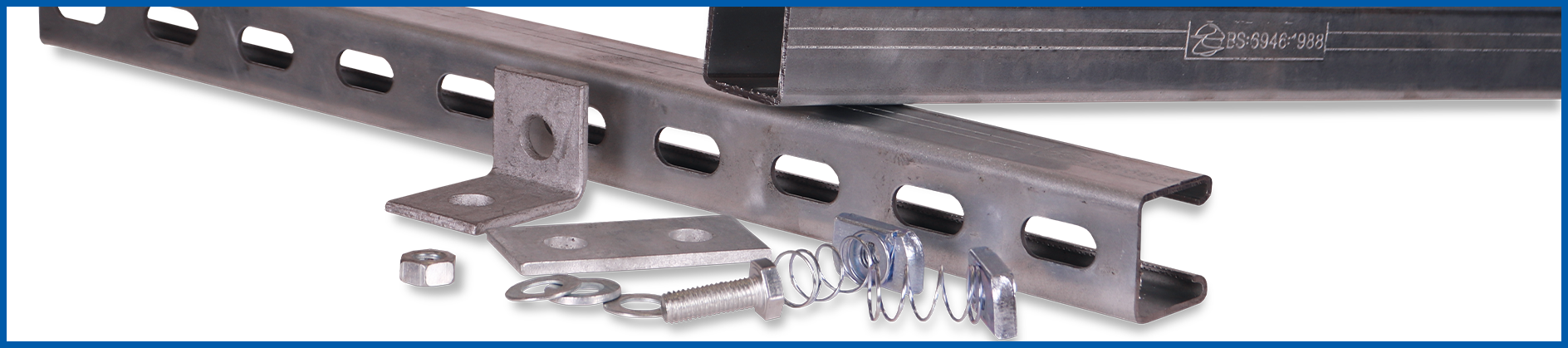
Channel Supports are versatile, highly adjustable infrastructure frameworks engineered specifically to support essential building services and mechanical installations. Designed as a functional, time-saving, and cost-effective alternative to conventional welded supports, these robust systems seamlessly integrate into commercial, trade, and domestic projects to efficiently manage utilities. They eliminate the need for complex on-site fabrication or specialist tools, allowing contractors to construct completely reusable support structures for critical frameworks like cable trays, cable ladders, ductwork, and pipework.
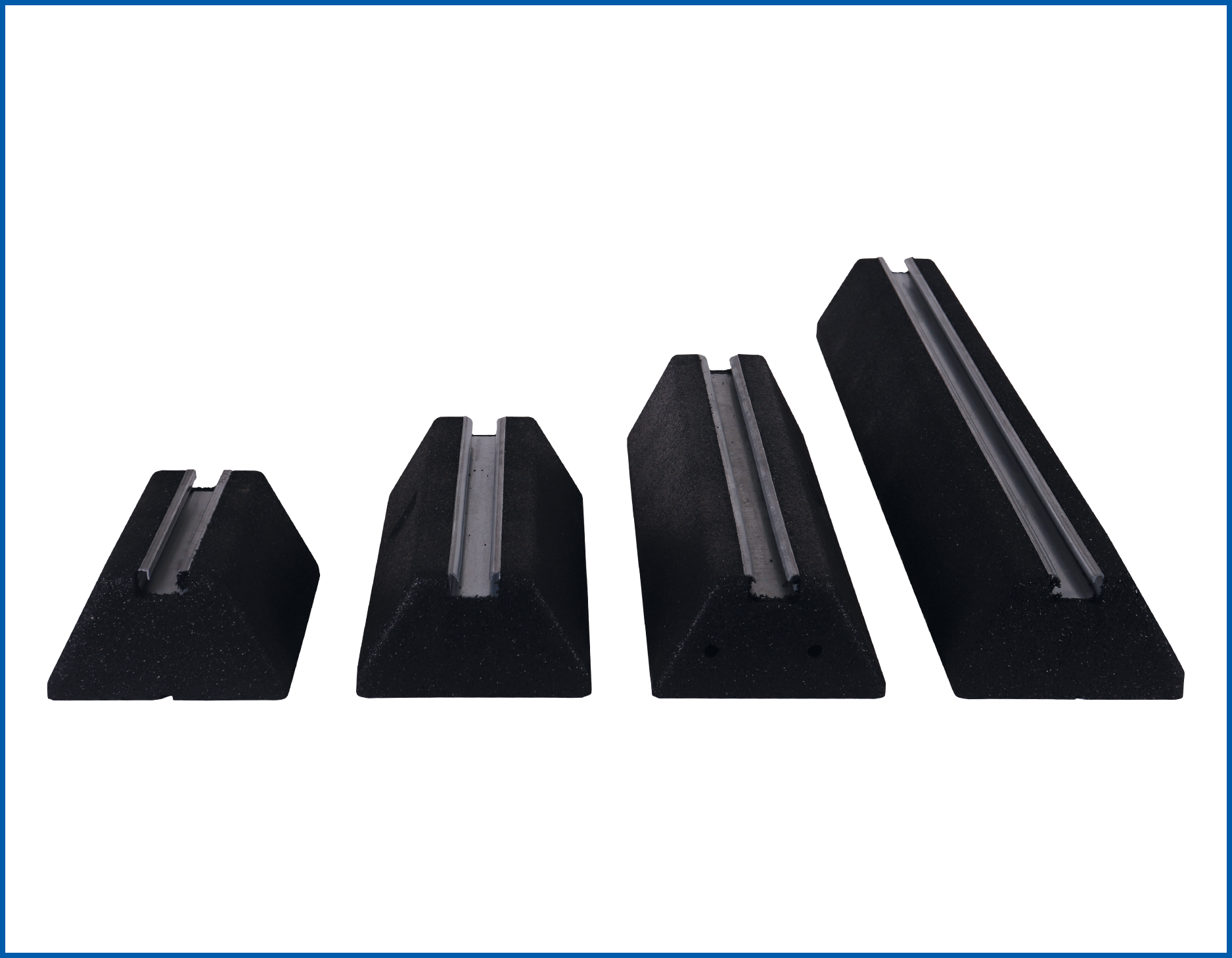
What are the choices when it comes to Channel Supports?
At F.H.Brundle, our primary choices revolve around a versatile range of channels, specialised fastenings, and heavy-duty brackets designed to create bespoke infrastructure frameworks. All options are supplied with a hot-dip galvanised finish to BS729 standards, offering completely adjustable and reusable solutions for supporting cable management and mechanical services.
| Feature Category | Key Benefit | Detail |
|---|---|---|
| Versatility & Adjustability | Fully adaptable layout | The system is 100% adjustable and completely reusable, allowing for easy layout alterations as building requirements change. |
| Installation Efficiency | Cost-effective and time-saving | Provides a practical alternative to conventional support methods without the need for welding, on-site fabrication, or specialist tools. |
| Durability & Protection | Long-lasting corrosion resistance | All components are hot-dip galvanised to BS729 standards, ensuring maximum durability across commercial, trade, and domestic environments. |
| Application Range | Multi-purpose utility support | Designed to easily create secure frameworks for building services, specifically for supporting cable trays, cable ladders, ductwork, and pipework |
| Component System | Comprehensive assembly options | Comprises a full range of durable channel profiles, specialised fastenings, and heavy-duty bracketry to construct bespoke support structures. |
Where can Channel Supports be used?
Channel Support Systems are highly versatile and can be used across commercial, trade, and domestic environments.
Specifically, they are used to design and construct frameworks for holding and protecting critical building services, including:
• Cable Management: Supporting cable trays and cable ladders.
• Mechanical Services: Hanging or supporting essential ductwork and pipework.
• On-Site Frameworks: Anywhere a temporary or permanent, 100% adjustable support structure is needed without the requirement of welding or specialist tools.
Why are Channel Supports so popular?
Channel Support Systems are highly popular because they offer a fast, economical, and hassle-free alternative to traditional building support methods.
Here is exactly why they are preferred on construction sites:
(1) Zero Welding Required: They eliminate the need for complex, time-consuming on-site fabrication or specialist tools.
(2) 100% Adjustable & Reusable: Unlike permanent welded frameworks, these systems can be easily modified on-site if building requirements change. The entire setup can be completely deconstructed and adapted for re-use on future projects.
(3) Maximum Durability: All components are hot-dip galvanised to BS729 standards, giving them superior corrosion resistance that stands up to demanding commercial, trade, and domestic environments.
(4) Effortless Assembly: By simply combining the standard channel lengths with their specialised fastenings and heavy-duty brackets, installers can build robust, tailored frameworks for critical services with minimal effort.
FAQs
A decorative newel starter post provides a strong visual and structural starting point at the bottom of a staircase balustrade. F.H. Brundle’s 30mm diameter, 1118mm matt black post includes a decorative bush detail and can be paired with a matching bottom cover and top handrail bracket.
The staircase spindle range is supplied in a matt black powder-coated finish. This provides a consistent decorative finish for internal staircases, landings and balconies. If you expect to cut, weld or grind components during fabrication, protect and touch up the coating after installation as required.
Measure each balustrade section separately, then divide the run by your chosen centre-to-centre spacing. Allow for the spindle width plus a maximum 99mm clear gap. Add one spindle to account for the final space, and order a few extras for cutting or site changes.
The clear gap between adjacent staircase spindles must not allow a 100mm sphere to pass through. In practice, keep every gap at 99mm or less. Check the measurement at the widest point of decorative spindle profiles and across any panel apertures.