When and Where to Use Channel Supports?
What are Channel Supports?
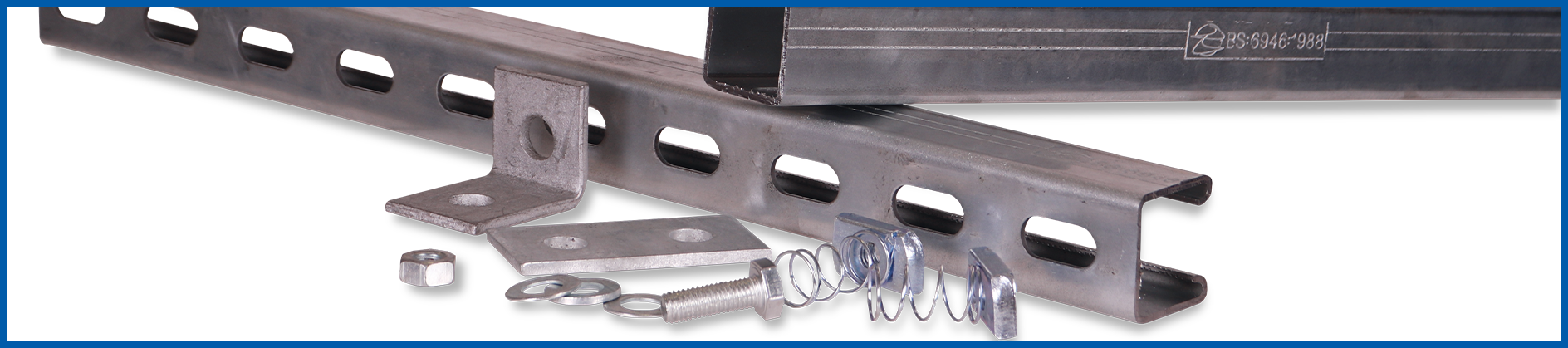
Channel Supports are versatile, highly adjustable infrastructure frameworks engineered specifically to support essential building services and mechanical installations. Designed as a functional, time-saving, and cost-effective alternative to conventional welded supports, these robust systems seamlessly integrate into commercial, trade, and domestic projects to efficiently manage utilities. They eliminate the need for complex on-site fabrication or specialist tools, allowing contractors to construct completely reusable support structures for critical frameworks like cable trays, cable ladders, ductwork, and pipework.
What are the choices when it comes to Channel Supports?
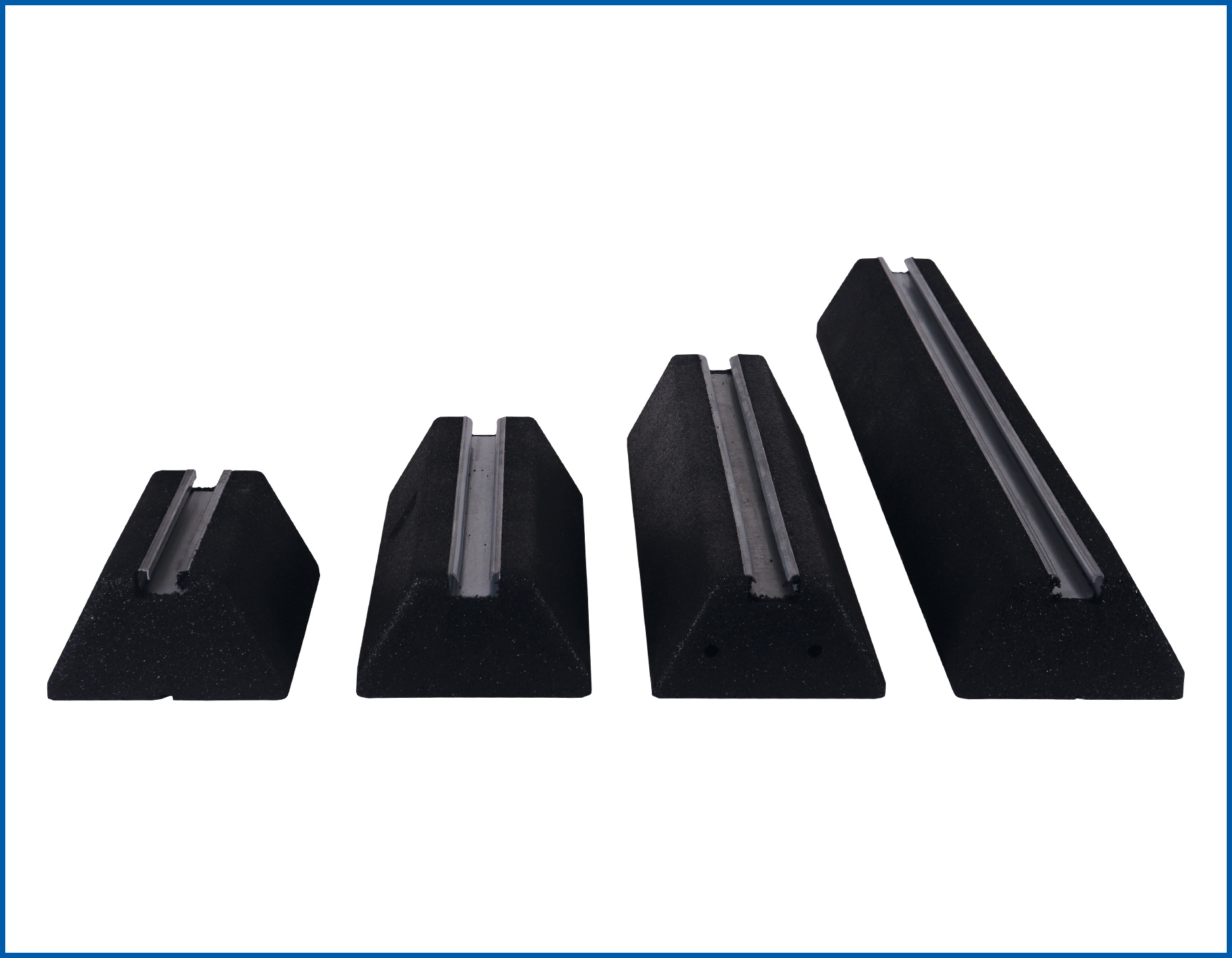
At F.H.Brundle, our primary choices revolve around a versatile range of channels, specialised fastenings, and heavy-duty brackets designed to create bespoke infrastructure frameworks. All options are supplied with a hot-dip galvanised finish to BS729 standards, offering completely adjustable and reusable solutions for supporting cable management and mechanical services.
| Feature Category | Key Benefit | Detail |
|---|---|---|
| Versatility & Adjustability | Fully adaptable layout | The system is 100% adjustable and completely reusable, allowing for easy layout alterations as building requirements change. |
| Installation Efficiency | Cost-effective and time-saving | Provides a practical alternative to conventional support methods without the need for welding, on-site fabrication, or specialist tools. |
| Durability & Protection | Long-lasting corrosion resistance | All components are hot-dip galvanised to BS729 standards, ensuring maximum durability across commercial, trade, and domestic environments. |
| Application Range | Multi-purpose utility support | Designed to easily create secure frameworks for building services, specifically for supporting cable trays, cable ladders, ductwork, and pipework |
| Component System | Comprehensive assembly options | Comprises a full range of durable channel profiles, specialised fastenings, and heavy-duty bracketry to construct bespoke support structures. |
Where can Channel Supports be used?
Channel Support Systems are highly versatile and can be used across commercial, trade, and domestic environments.
Specifically, they are used to design and construct frameworks for holding and protecting critical building services, including:
• Cable Management: Supporting cable trays and cable ladders.
• Mechanical Services: Hanging or supporting essential ductwork and pipework.
• On-Site Frameworks: Anywhere a temporary or permanent, 100% adjustable support structure is needed without the requirement of welding or specialist tools.
Why are Channel Supports so popular?
Channel Support Systems are highly popular because they offer a fast, economical, and hassle-free alternative to traditional building support methods.
Here is exactly why they are preferred on construction sites:
(1) Zero Welding Required: They eliminate the need for complex, time-consuming on-site fabrication or specialist tools.
(2) 100% Adjustable & Reusable: Unlike permanent welded frameworks, these systems can be easily modified on-site if building requirements change. The entire setup can be completely deconstructed and adapted for re-use on future projects.
(3) Maximum Durability: All components are hot-dip galvanised to BS729 standards, giving them superior corrosion resistance that stands up to demanding commercial, trade, and domestic environments.
(4) Effortless Assembly: By simply combining the standard channel lengths with their specialised fastenings and heavy-duty brackets, installers can build robust, tailored frameworks for critical services with minimal effort.
FAQs
Mill certificates provide traceability and confirm the material’s chemical composition and mechanical properties, including the relevant steel grade. They are particularly important for structural, commercial and safety-critical applications where compliance with a project specification is required.
Certificate availability can vary by product, grade and batch. If your project requires material certification, confirm this before ordering so the correct documentation can be supplied or verified for the specific mild steel section required. Our mild steel mill certificates are available upon request – please contact your local branch if these are required.
Our mild steel sections are supplied in a range of standard lengths depending on the profile and product type. Many bars, hollow sections, angles and channels are available in lengths in standard lengths of 6m to 7.5 metres, while larger universal beams and columns may be available in lengths of up to 14 metres. We do offer some special cut lengths in certain profiles, ranging from 1m to 3m.
Available lengths vary by section, grade and stock availability. Check the individual product page for the exact length and dimensions, particularly if your project needs a specific cut length or delivery arrangement. Cut lengths can be specified when adding your profiles to your basket.
Yes. Mild steel sections can be protected with both galvanising and paint systems. Hot-dip galvanising coats the steel with zinc, creating a durable barrier against moisture and offering sacrificial protection if the surface is scratched. It is particularly suitable for external steelwork, gates, fencing and exposed structural components.
Mild steel can also be painted, provided the surface is prepared correctly. Remove rust, mill scale, grease and moisture before applying a suitable primer, such as red oxide or zinc phosphate primer, followed by an exterior-grade topcoat. Polyester powder coating is another durable option for fabricated gates, railings and architectural steelwork.
The best mild steel section depends on the design, span and intended finish. Square bar, flat bar, round bar and equal angles are commonly used for decorative gates and railings, while square hollow section (SHS) and rectangular hollow section (RHS) are popular choices for stronger frames and posts.
For components where straightness and a smoother finish are important, EN3B bright steel is often a good option for railings, balusters and decorative features. For external gates and railings, the chosen steel should be protected against corrosion with galvanising, powder coating or a suitable primer and paint system.