Why Choose Galvanised Steel Profiles?
What are galvanised steel profiles?
Galvanised steel profiles are structural steel sections — including angles, channels, flat bars, hollow sections and more — that have been coated with a layer of zinc to provide long-lasting protection against corrosion. The most common and durable method is hot-dip galvanising, in which the steel is immersed in molten zinc at approximately 450 °C, forming a metallurgically bonded zinc-iron alloy coating across every surface, inside and out.
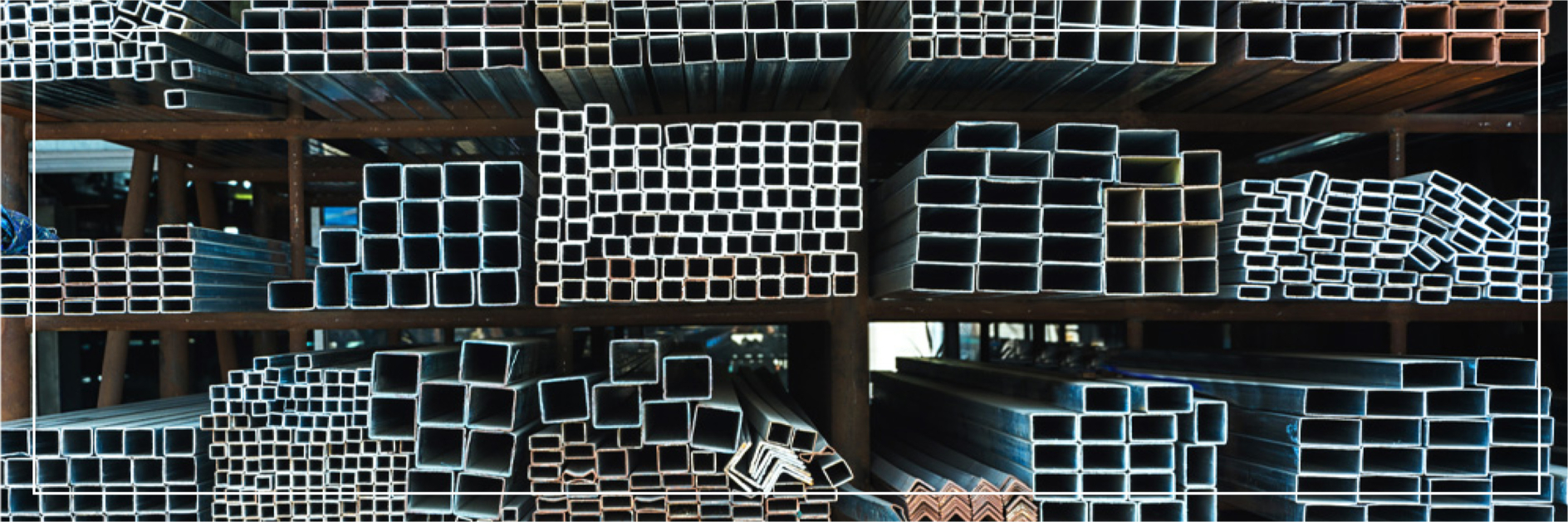
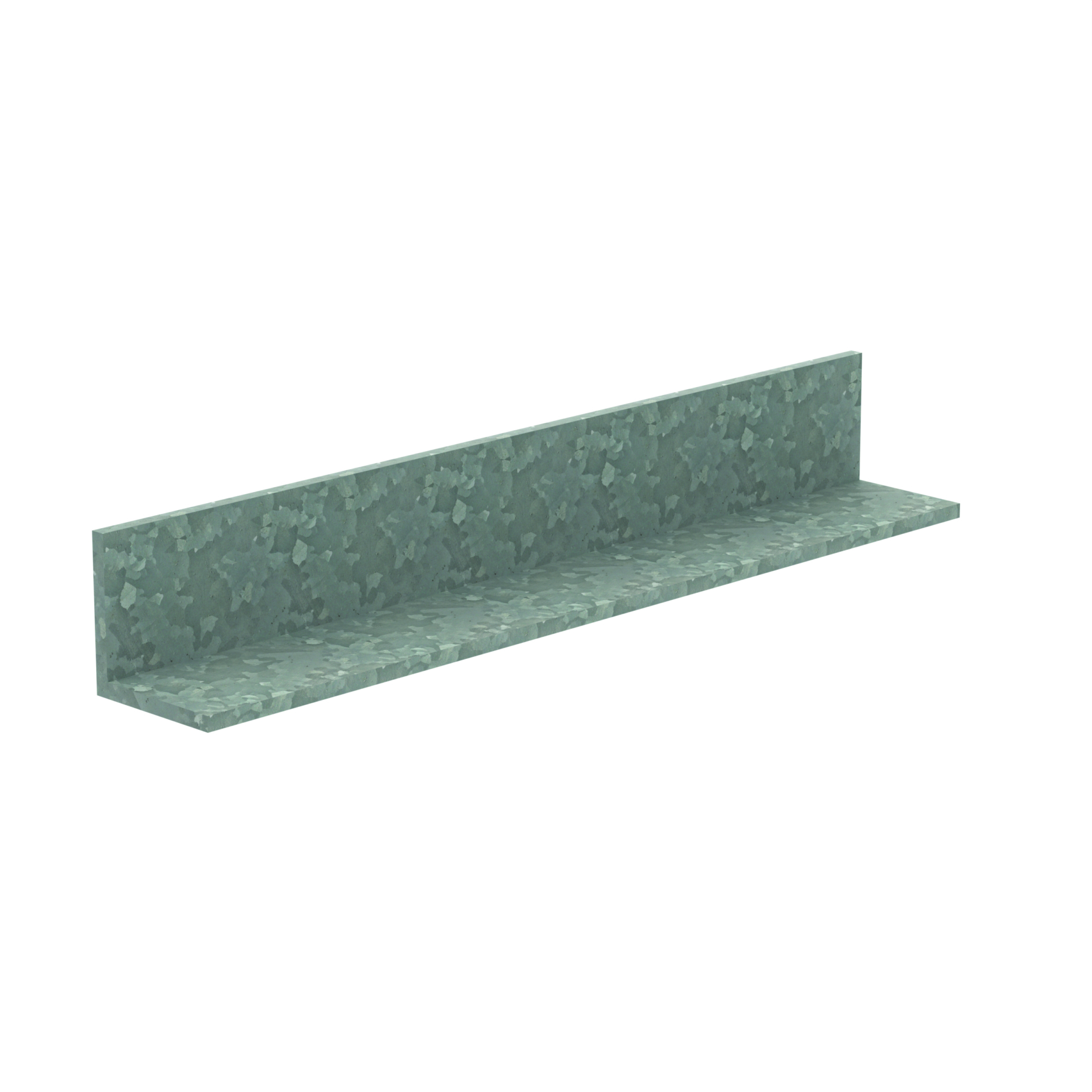
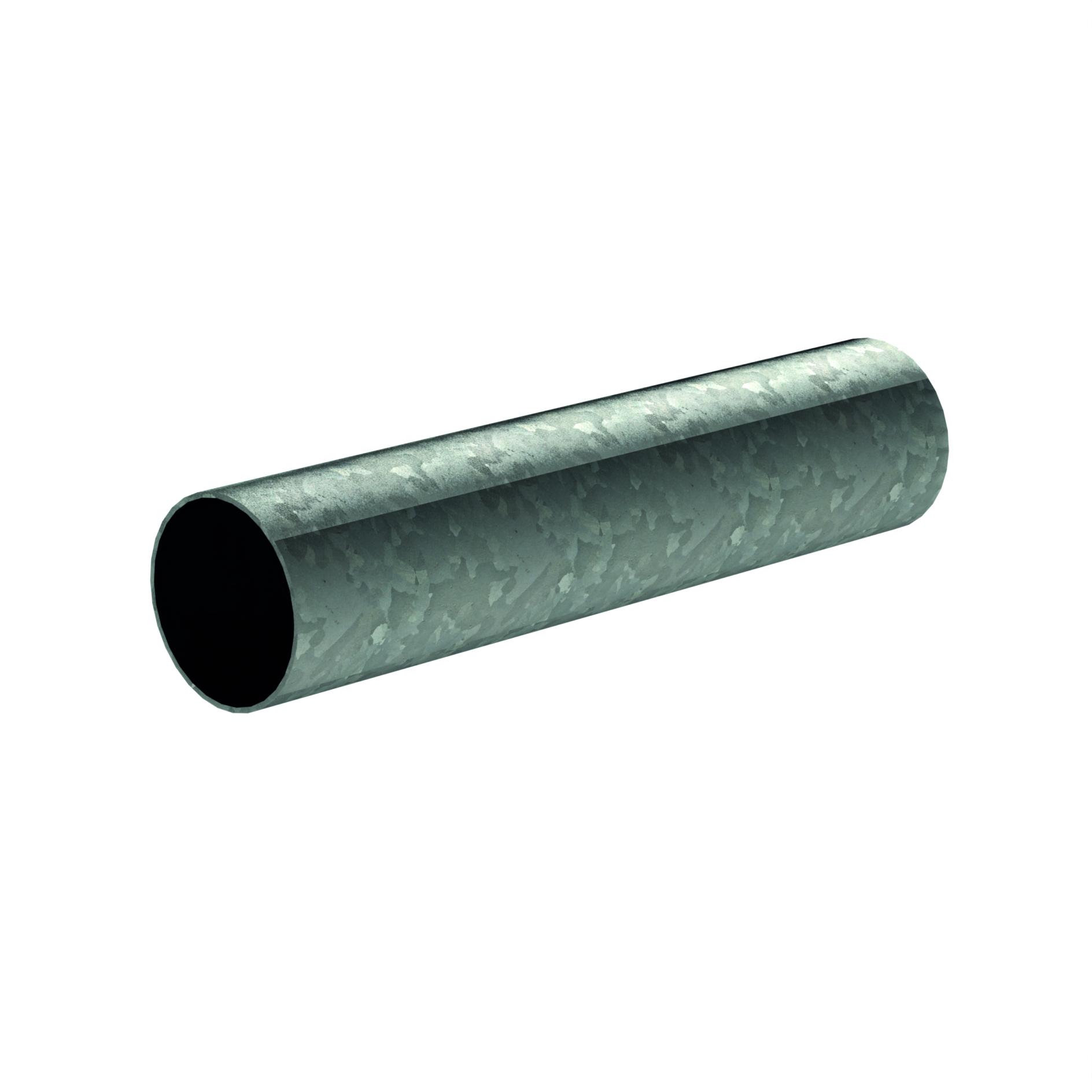
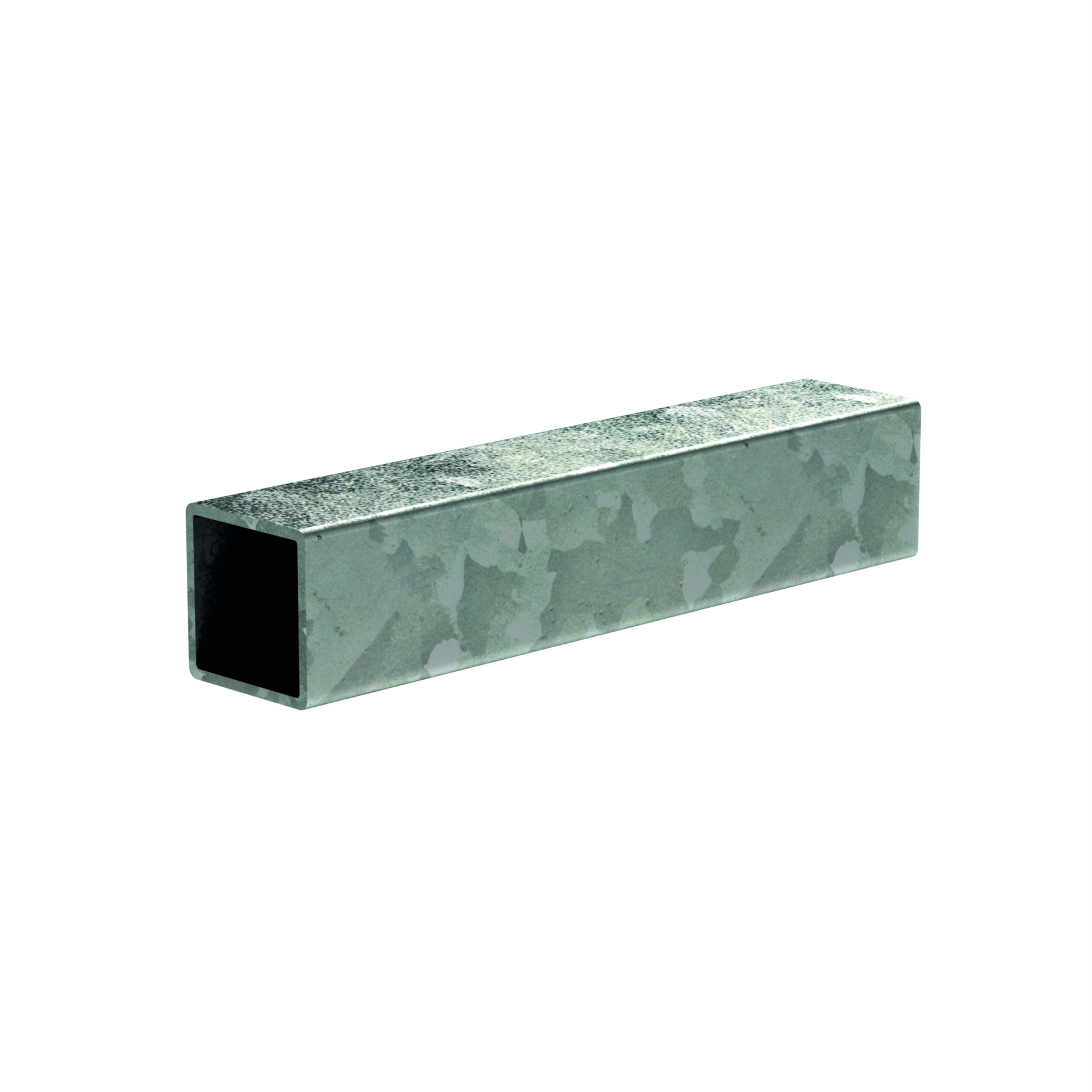
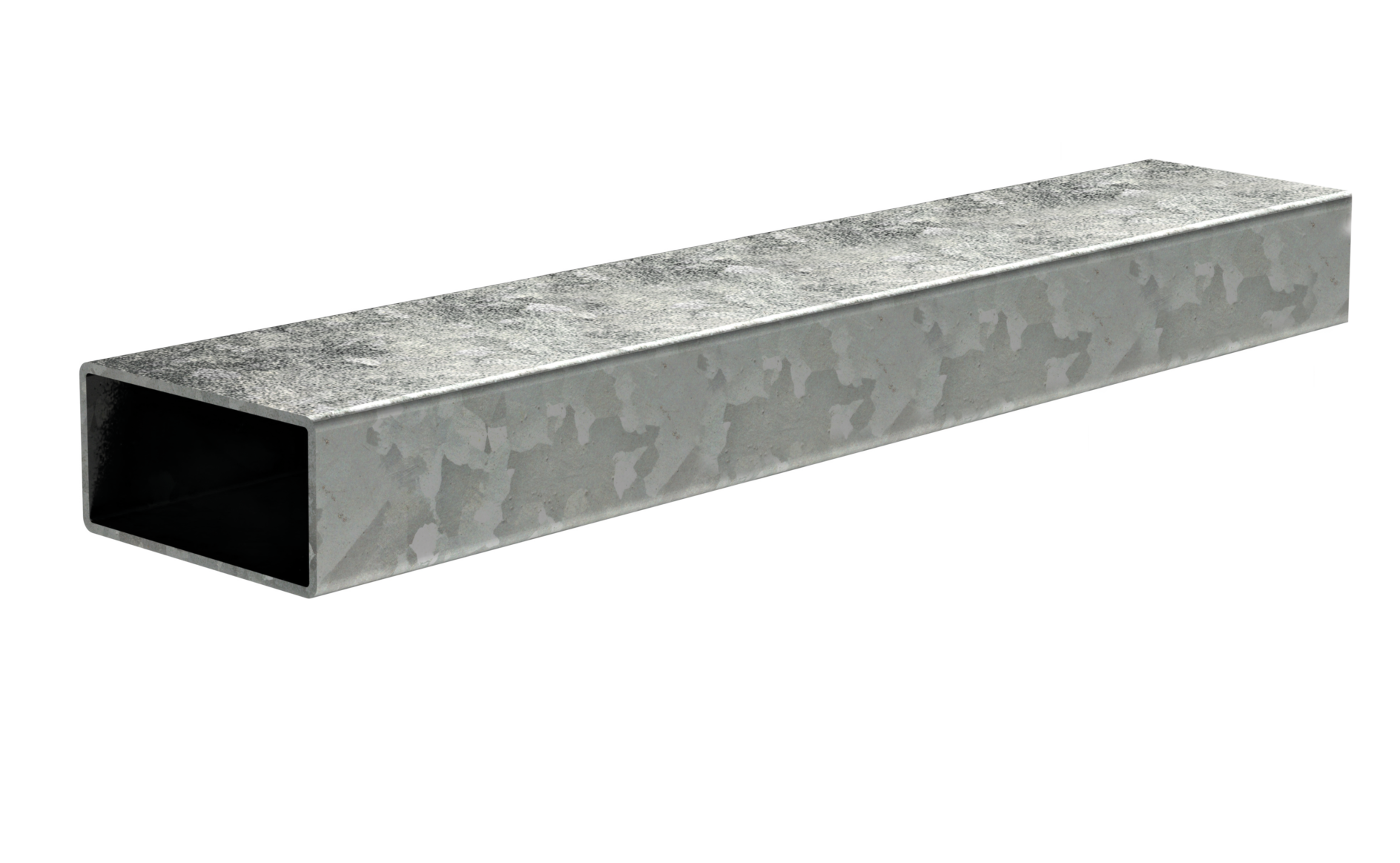
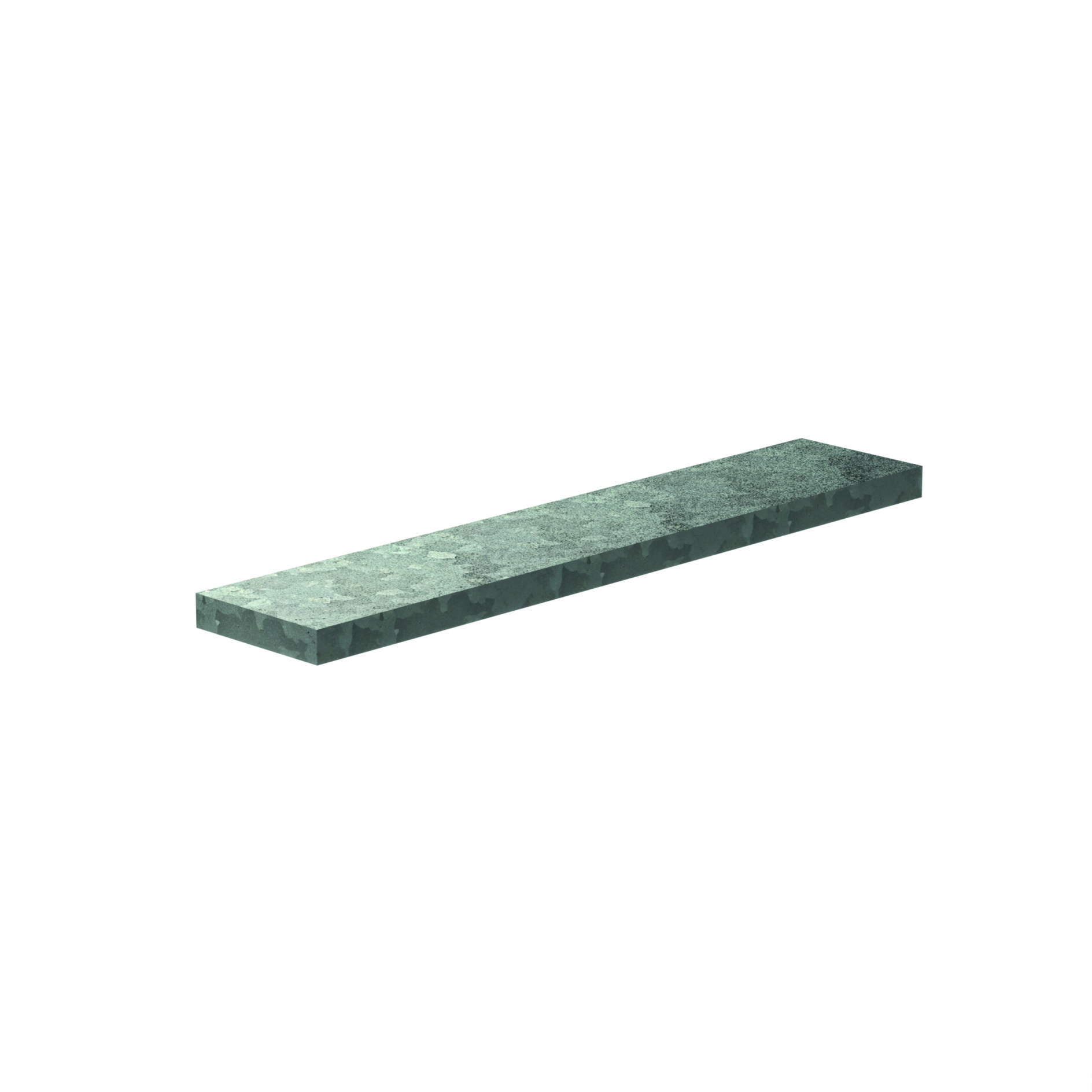
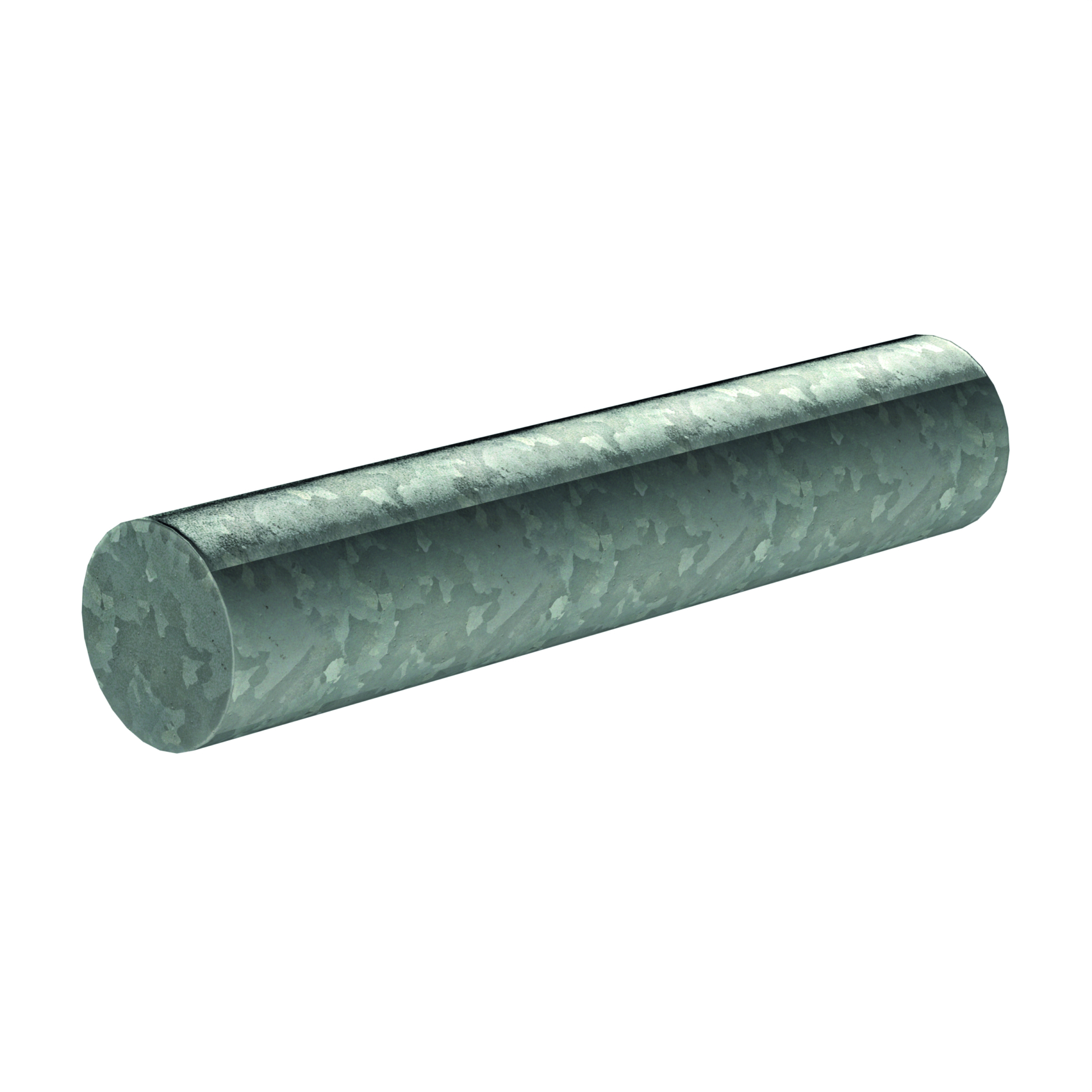
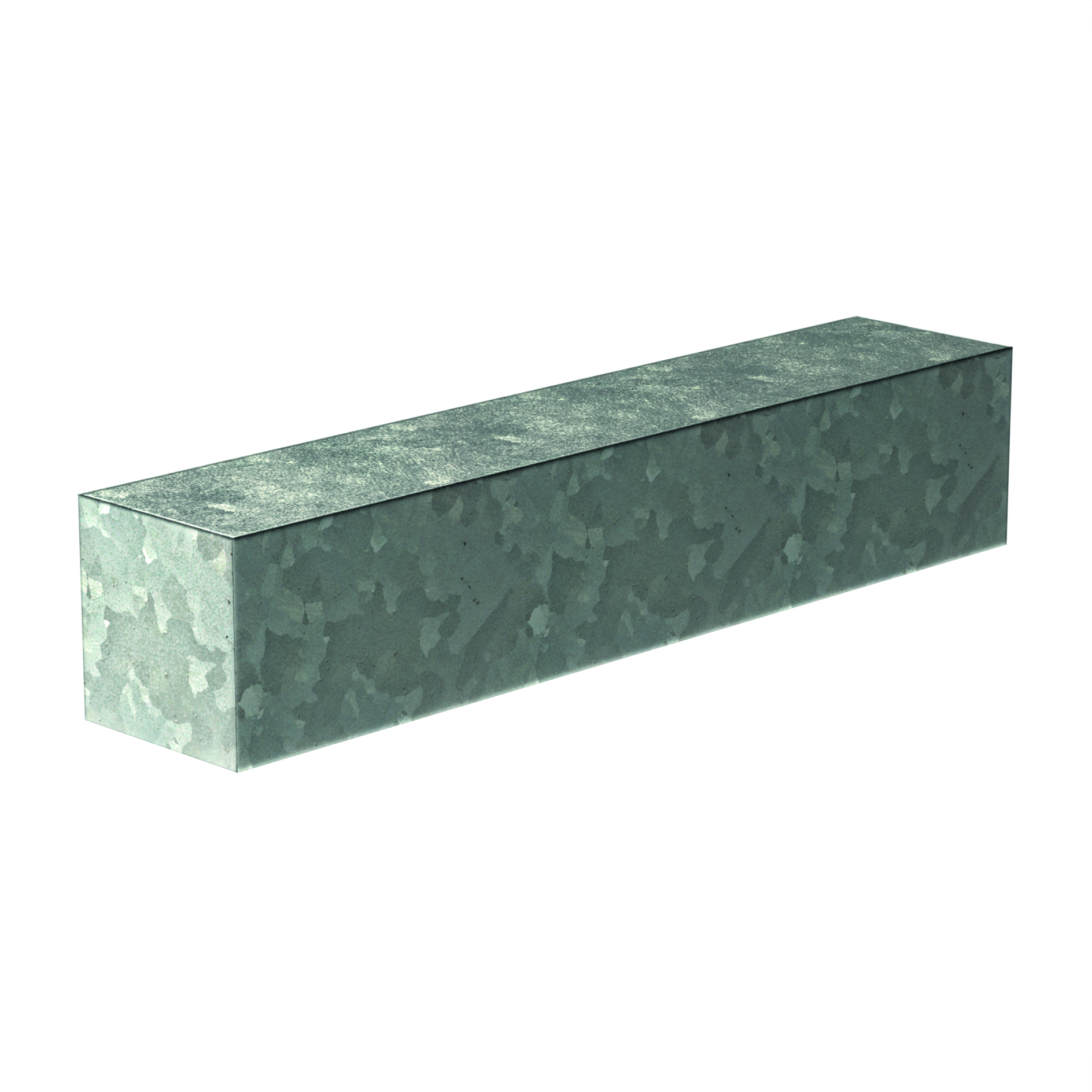
Galvanised steel profiles are used across construction, civil engineering, agriculture, fabrication, and maintenance applications wherever steel must perform reliably in exposed or demanding outdoor conditions. The full range — from galvanised angles to rectangular hollow sections (RHS), square hollow sections (SHS) and circular hollow sections (CHS), flat, square and round bars — is available from stock from F.H.Brundle.
What galvanised steel profile sections are available?
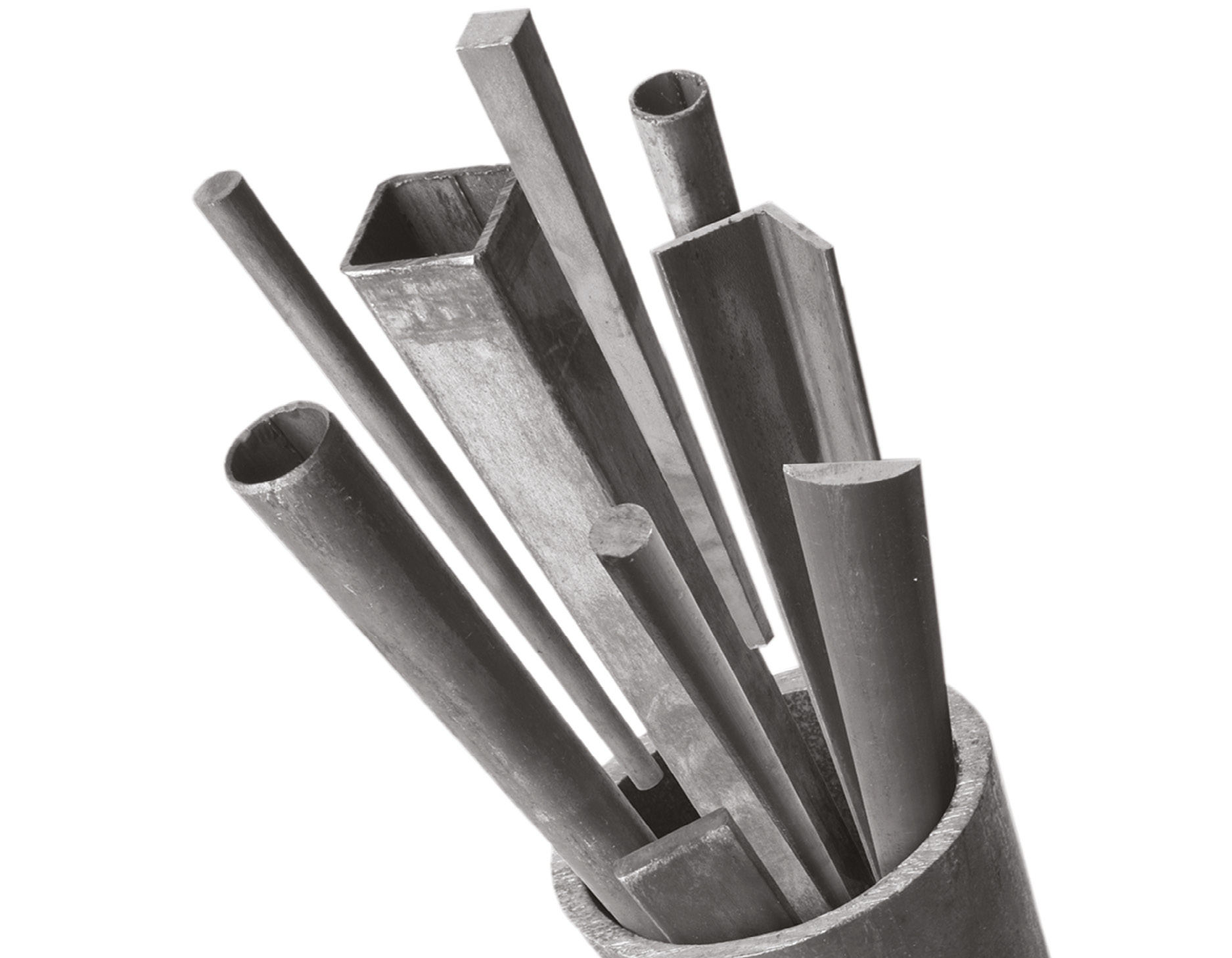
At F.H.Brundle, we supply a comprehensive selection of hot-dip galvanised steel sections. Common profiles available include equal and unequal angles, flat, square and round bars, square hollow section and rectangular hollow section in standard 6m lengths. Circular hollow section are available in a range of lengths to suit structural, fabrication and construction applications.
| Feature Category | Key Benefit | Detail |
|---|---|---|
| Corrosion Resistance | Outstanding Protection | Hot-dip galvanising provides a metallurgically bonded zinc coating that protects steel even when the surface is scratched or cut, through cathodic protection. |
| Longevity | Decades of Service Life | Correctly specified galvanised steel profiles in a typical outdoor environment can last 50 years or more before first maintenance is required. |
| Strength & Structural Integrity | Full Load-Bearing Capability | Galvanising has no adverse effect on the mechanical properties of the steel — profiles retain their full tensile strength, yield strength and impact resistance. |
| Maintenance | Low Whole-Life Cost | Unlike paint systems, galvanising does not require periodic recoating, making it one of the most cost-effective long-term surface treatments for steel. |
| Sustainability | Fully Recyclable | Both steel and zinc are 100% recyclable. Galvanised steel can be re-melted and reused at end of life without loss of quality, supporting circular economy principles. |
| Functionality | Effective Barrier | Provides a strong, effective boundary for marking perimeters and retaining livestock like cattle and deer. |
| Finish Options | Galvanised or Further Coated | Galvanised profiles can be left as-is, painted over with a compatible primer and topcoat, or powder coated to provide additional colour or decorative finish. |
| Availability | Stock & Cut-to-Length | Standard lengths are available from stock for next-day or 48-hour delivery. Cut-to-length options are also available to reduce on-site waste and labour. |
Where are galvanised steel profiles used?
Galvanised steel profiles are one of the most versatile building and fabrication materials available. Traditional applications include structural frames, agricultural buildings, industrial platforms and walkways, highway infrastructure, utilities and drainage installations, and coastal or marine structures — anywhere that steel is exposed to the elements over a long service life.
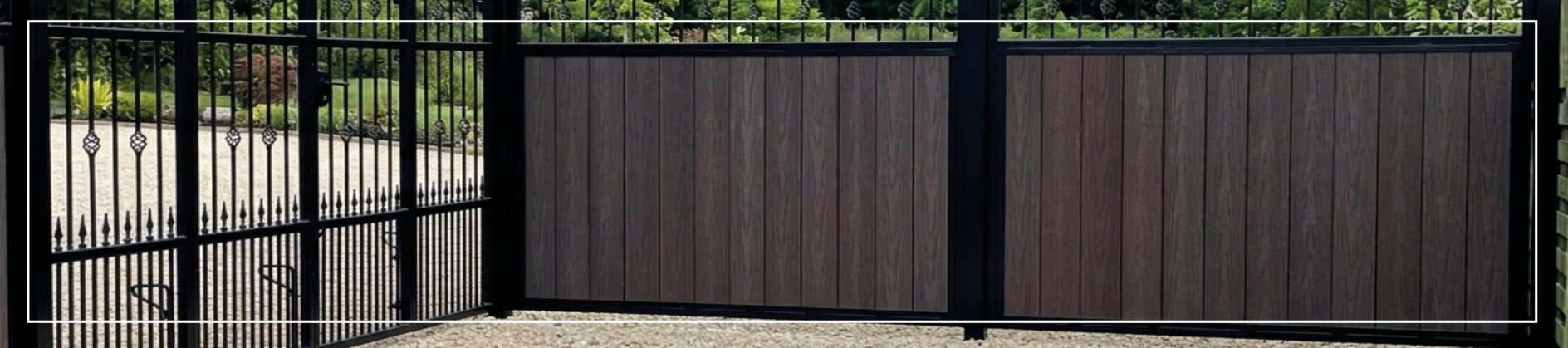
In recent years demand has grown significantly across the construction and fit-out sectors. Galvanised RHS and SHS are widely used in gates, fencing frames, pergolas, balustrade frameworks and canopy structures. Galvanised angles are frequently specified as lintels, shelf supports, edge trims and reinforcing elements in both new-build and refurbishment work. The popularity of exposed galvanised steel as an architectural finish — both interior and exterior — has also driven increased demand for aesthetically consistent, high-quality galvanised sections.
Why are galvanised steel profiles growing in popularity?
There are three core reasons why galvanised steel profiles continue to grow in specification and use:
(1) Corrosion resistance; hot-dip galvanising creates a barrier coating that bonds at the molecular level with the steel substrate, providing protection that outlasts paint by a factor of three to five in equivalent environments. The zinc coating also offers cathodic or sacrificial protection — meaning even exposed cut edges or drilled holes are protected by the surrounding zinc.
(2) Value for money; when whole-life cost is considered rather than initial purchase price alone, galvanised steel is consistently the most cost-effective choice for outdoor structural and fabrication applications. The absence of maintenance repainting cycles over a 50+ year service life represents a very significant saving compared to painted mild steel.
(3) Versatility; galvanised profiles are available across every major section type — angles, channels, flat bar, hollow sections — and in a wide range of sizes, meaning that almost any structural or fabrication requirement can be met with an off-the-shelf galvanised product. They can also be further finished with paint or powder coat where colour or aesthetics are a requirement.
How to buy
Once you’ve identified that galvanised steel profiles are the right choice for your application, there are a few key decisions to work through before placing your order.
(1) Choose your section type – select the profile shape best suited to your structural or fabrication requirement. Angles are ideal for bracketing, framing and edge protection, and structural frames; hollow sections (RHS, SHS, CHS) are widely used where a clean, closed-face finish is needed for gates, handrails, frames and furniture. Galvanised sheets are suitable for a variety of domestic, commercial, and industrial applications.
(2) Specify the size – galvanised profiles are available in a range of standard metric sizes. Consult load tables or your structural engineer to confirm the correct section size for your application. Standard stock sizes are listed on each product page at fhbrundle.co.uk.
(3) Select the length – standard stock lengths (typically 6m) are available for immediate despatch. If you require cut-to-length sections to minimise waste, this option is available on selected products.
(4) Consider the finish – standard hot-dip galvanised finish is suitable for most structural and outdoor applications. If you require a painted or powder-coated finish over the galvanised base, ensure you specify a suitable primer compatible with galvanised steel prior to top-coating.
FAQs
The service life of hot-dip galvanised steel depends primarily on the environment. In a rural or semi-rural environment with low pollution and low humidity, a standard structural galvanised coating (45–55 microns) will typically provide corrosion protection for 70–80 years before first maintenance is required. In an urban or industrial environment with higher pollution levels, service life is typically 40–60 years. In a coastal or marine environment (within 1km of the sea), service life reduces to approximately 20–30 years. In all cases, galvanised steel significantly outlasts untreated or painted mild steel equivalents — making it the most cost-effective long-term choice for outdoor structural applications.
Yes, galvanised steel can be painted or powder coated to provide additional colour or decorative finish, but surface preparation is critical. Fresh hot-dip galvanising has a smooth, slightly oily surface that must be prepared before painting. For brush or roller-applied paints, the surface should be cleaned, degreased and treated with an etch primer or T-wash (dilute phosphoric acid solution) to promote adhesion. For powder coating, mechanical abrasion or chemical pre-treatment is required. Using a paint or powder coat directly on an unprepared galvanised surface is a common cause of adhesion failure — always follow the paint manufacturer’s surface preparation specification for galvanised substrates.
Yes. Standard galvanised profiles are stocked in 6m lengths and can be cut to length using an angle grinder, cold saw or abrasive disc cutter. As with welding, cutting will expose bare steel at the cut edge. For outdoor or corrosion-sensitive applications, cut ends should be treated with a cold-applied zinc-rich paint or cold galvanising compound to protect the exposed steel. F.H.Brundle offer cut-to-length options on selected products — please refer to individual product pages for availability.
Yes, galvanised steel sections can be welded, but there are important safety and quality considerations. Welding through the zinc coating produces zinc oxide fumes, which are hazardous — adequate ventilation or respiratory protection is essential. The zinc coating will be burned away in the heat-affected zone around the weld, leaving bare steel exposed. After welding, the affected area should be treated with a cold zinc compound or zinc-rich paint to restore corrosion protection. For fabrications that require maximum corrosion resistance, it is often preferable to weld the mild steel first and galvanise the completed fabrication afterwards — this is known as post-fabrication galvanising.
Hot-dip galvanising involves immersing the steel in a bath of molten zinc at around 450 °C, producing a thick, metallurgically bonded zinc-iron alloy coating typically between 45 and 85 microns thick. This makes it suitable for structural and outdoor applications with long service life requirements. Electro-galvanising (also called electro-zinc plating) uses an electrochemical process to deposit a much thinner zinc layer (typically 5–25 microns) onto the steel surface. Electro-galvanised steel is generally used for lighter-duty indoor applications, fasteners or components that will be further coated. For structural profiles and outdoor use, hot-dip galvanising is the correct specification.