Why Choose Pro-Railing Stainless Steel Handrail Components?
What is Pro-Railing?
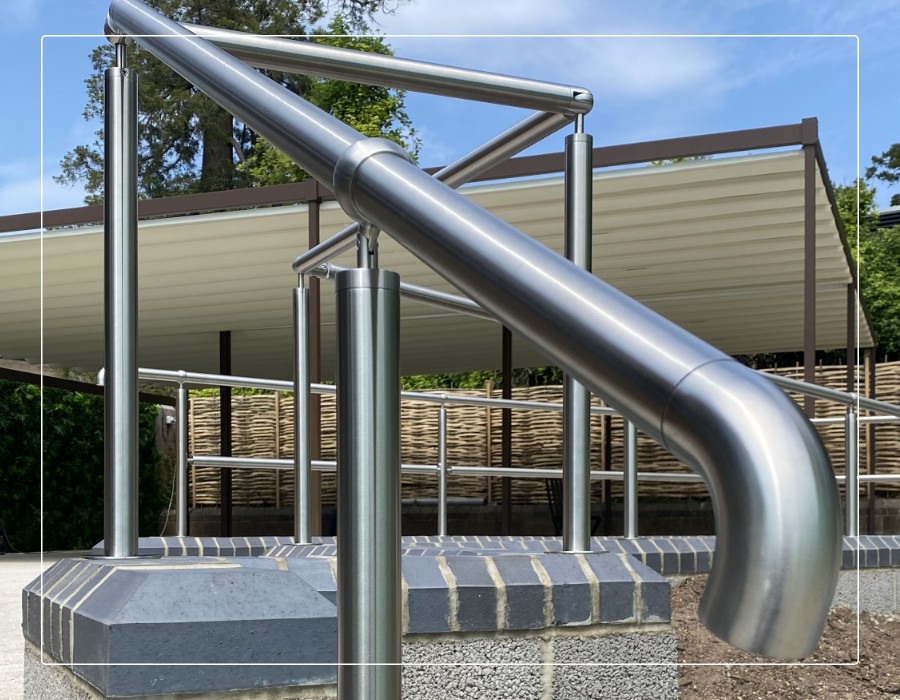
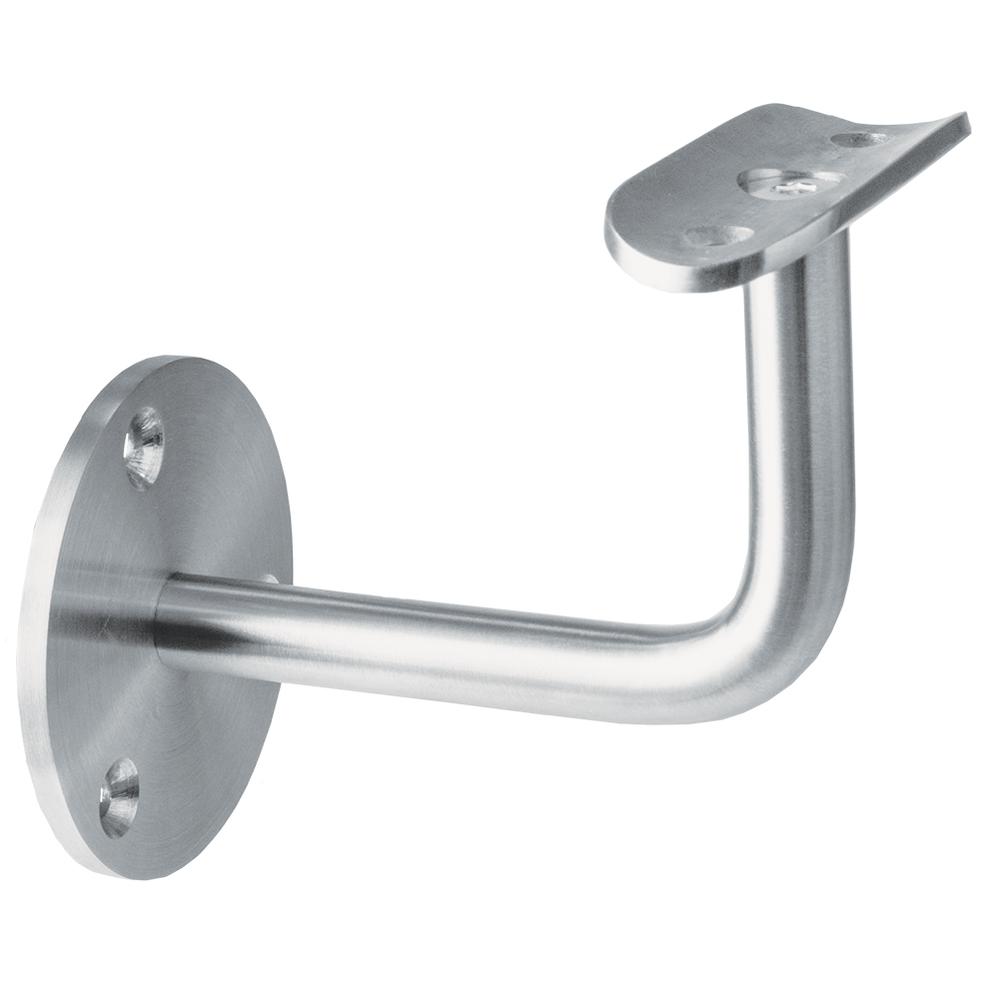
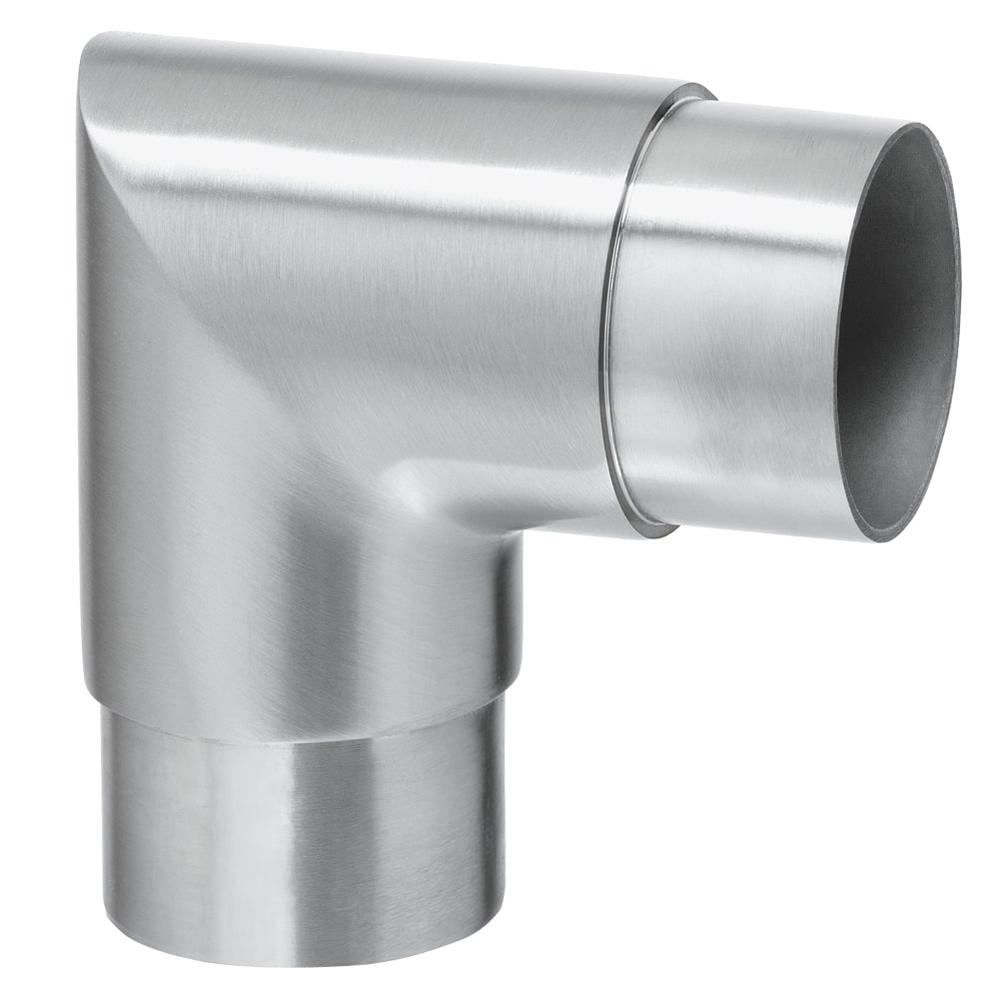
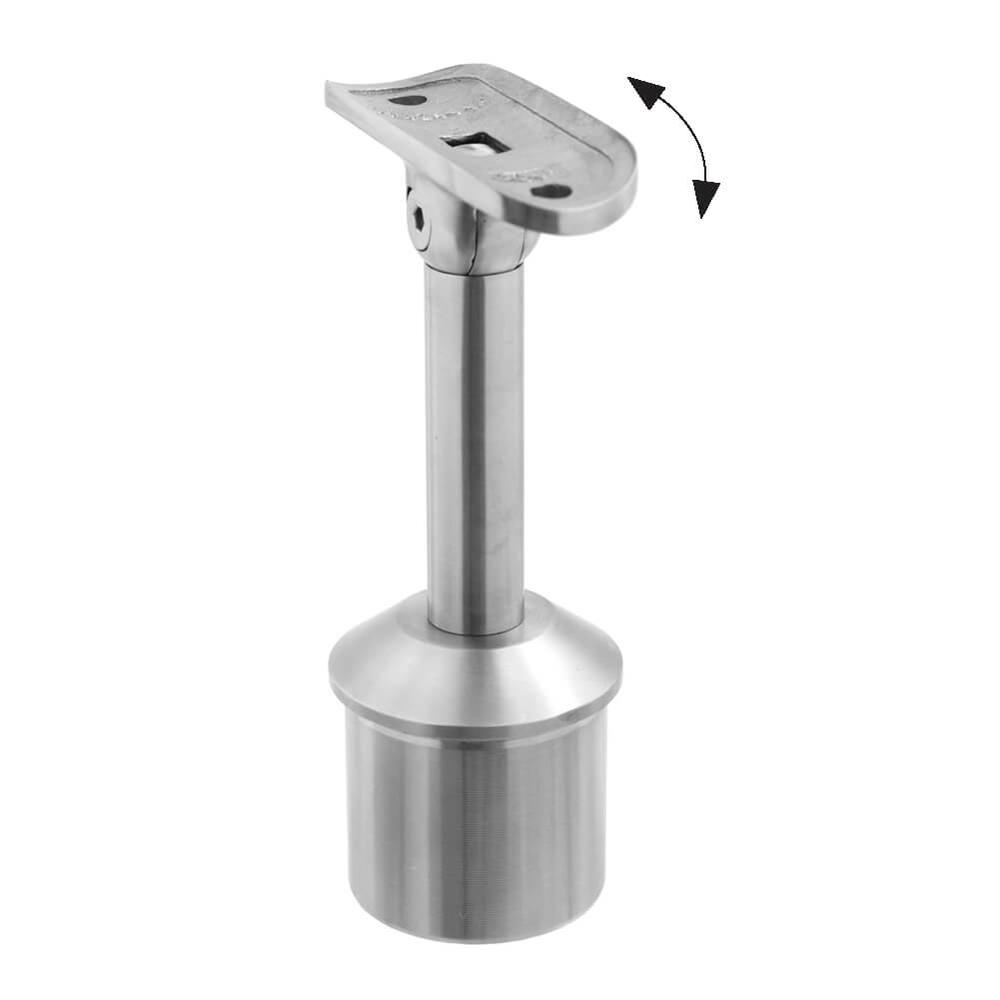
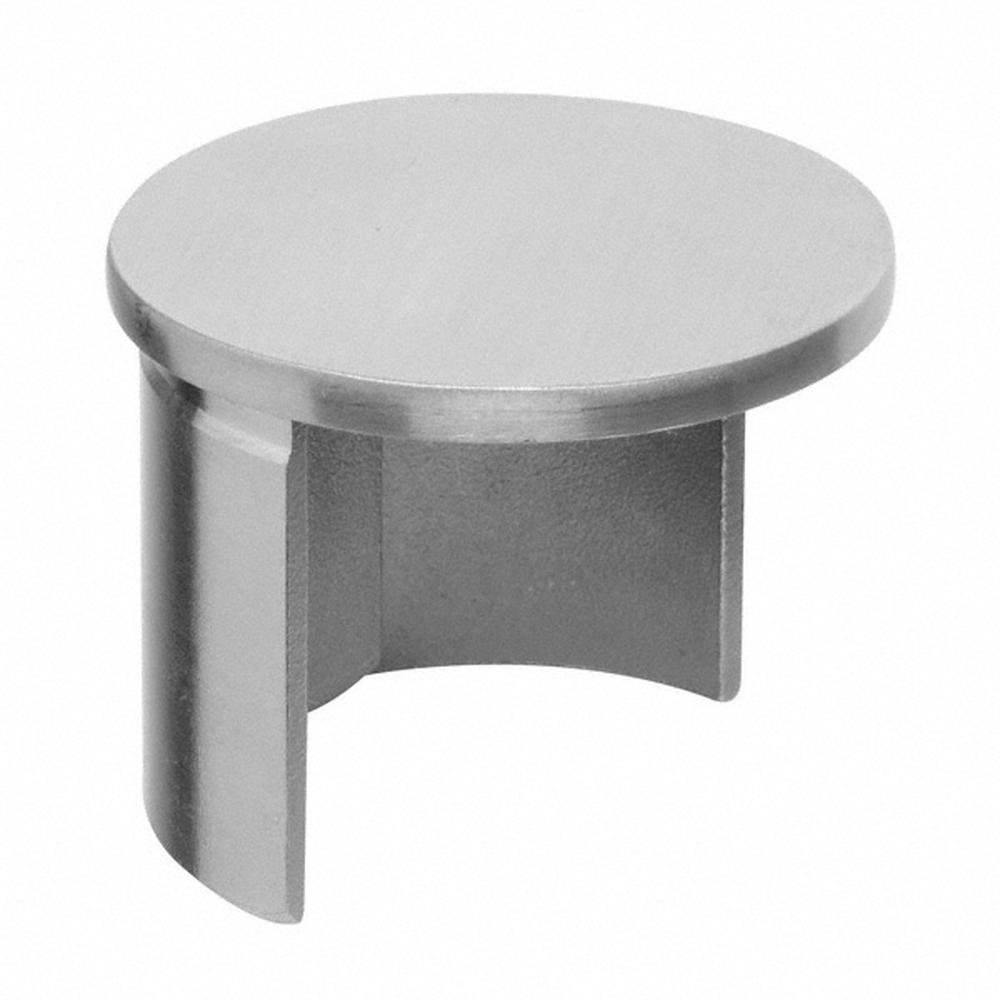
Pro-Railing is F.H.Brundle‘s comprehensive range of stainless steel handrail and balustrade fittings — a curated collection of satin-finish, polished, and polyester powder coated (PPC) stainless steel components including handrail brackets, end caps, connectors, return ends, wall plates, post-to-rail joiners and inline couplings. Manufactured in both grade 304 and 316 stainless steel, Pro-Railing components are engineered for corrosion resistance, longevity and a clean, contemporary aesthetic that suits both interior and exterior architectural applications.
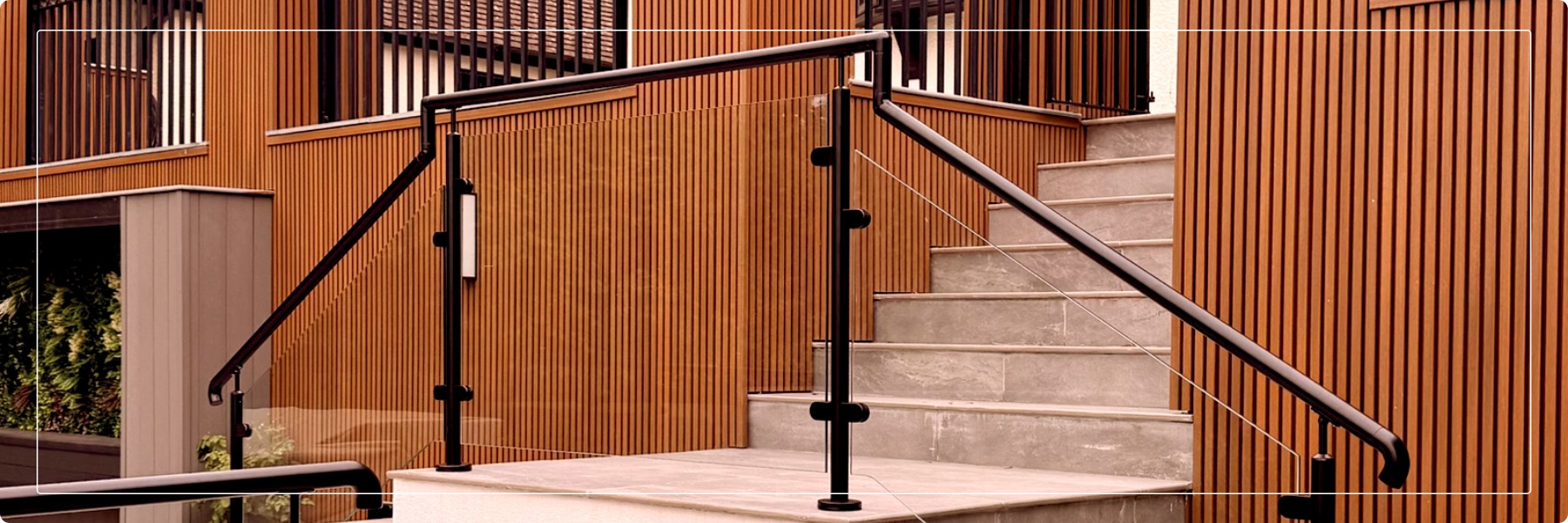
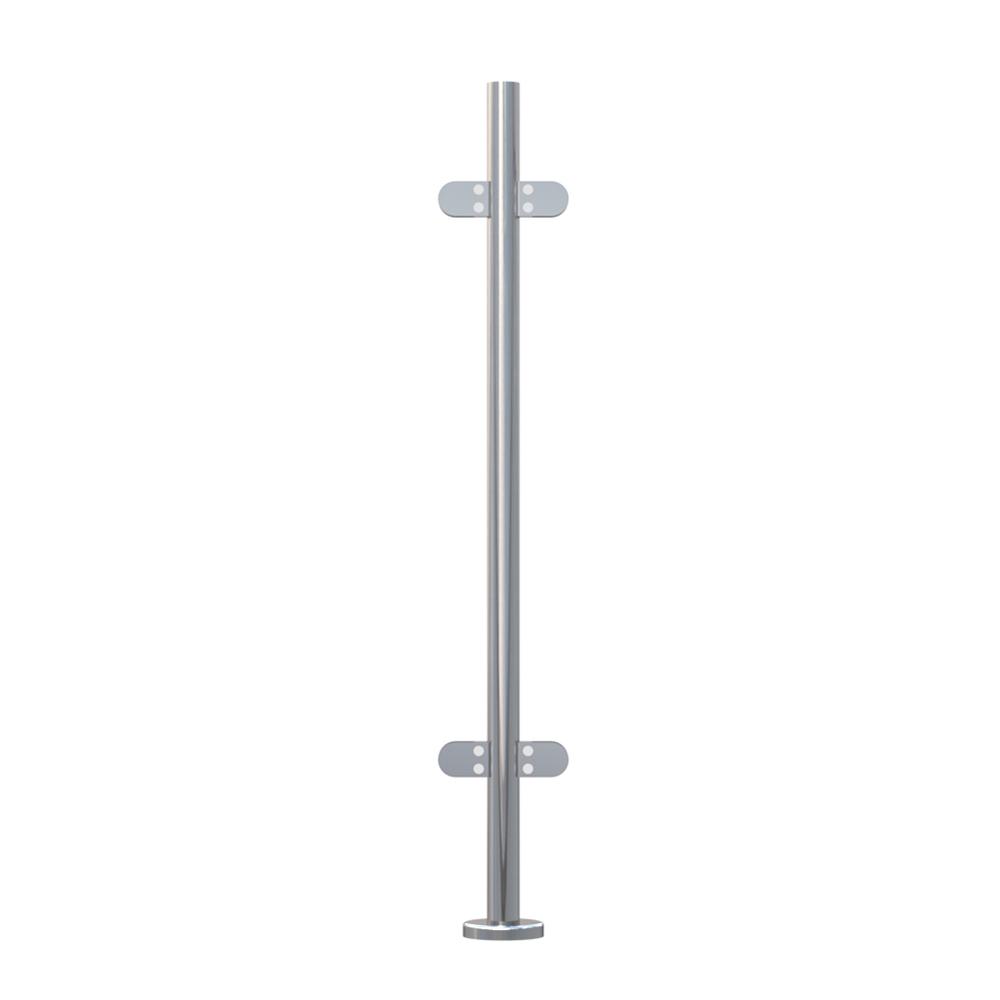
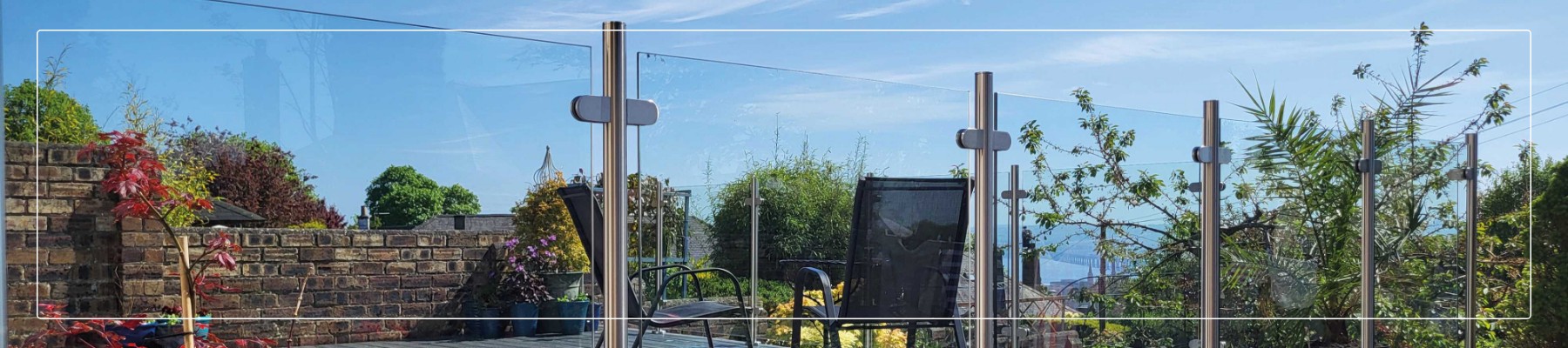
The Stainless Steel Post & Glass System takes Pro-Railing components further, combining stainless steel balustrade posts — available as pre-assembled side-fix posts and surface-mount posts — with toughened safety glass panels and a stainless steel or chrome top rail to create a complete, structurally tested and compliant glass balustrade system. The result is one of the most specified glass balustrade solutions available to the UK trade: minimal, transparent, fully compliant (to part K) and enduringly stylish.
F.H.Brundle stocks glass panels for this system — including standard-size toughened panels from stock and bespoke made-to-order glass panels — alongside every ancillary component needed to complete a professional installation: glass clamps, glass channel, top rail for glass, base plates and fixing hardware.
What are the choices within the Pro-Railing system?
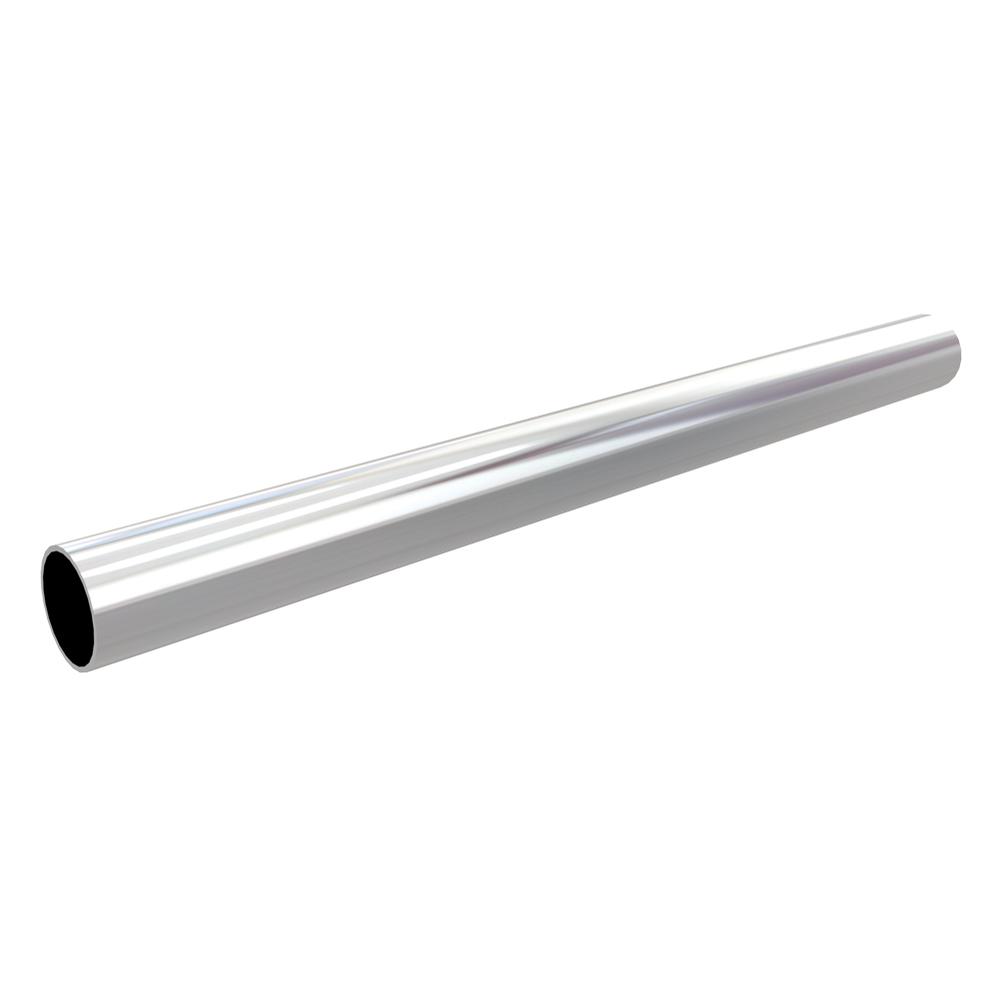
With a full range of stainless steel components, you will be able to find the most comprehensive choice of handrail components to achieve any configuration of system.
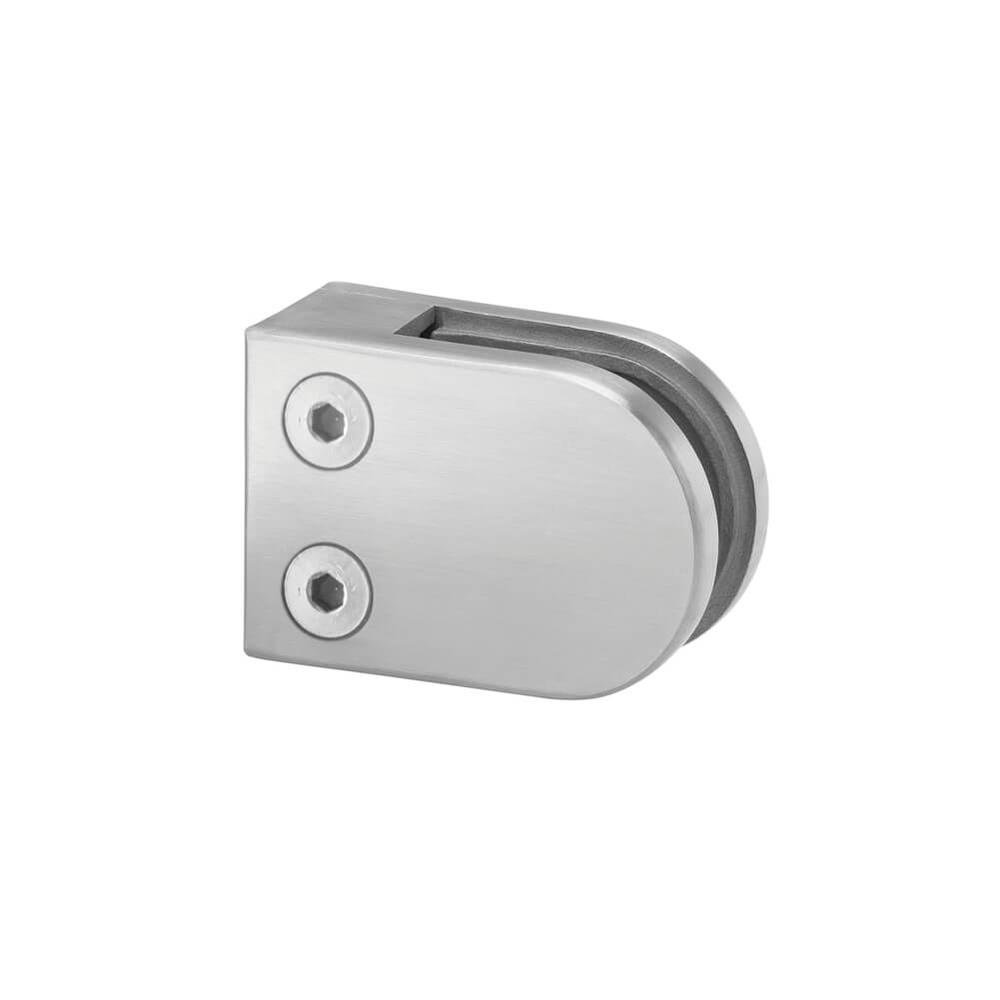
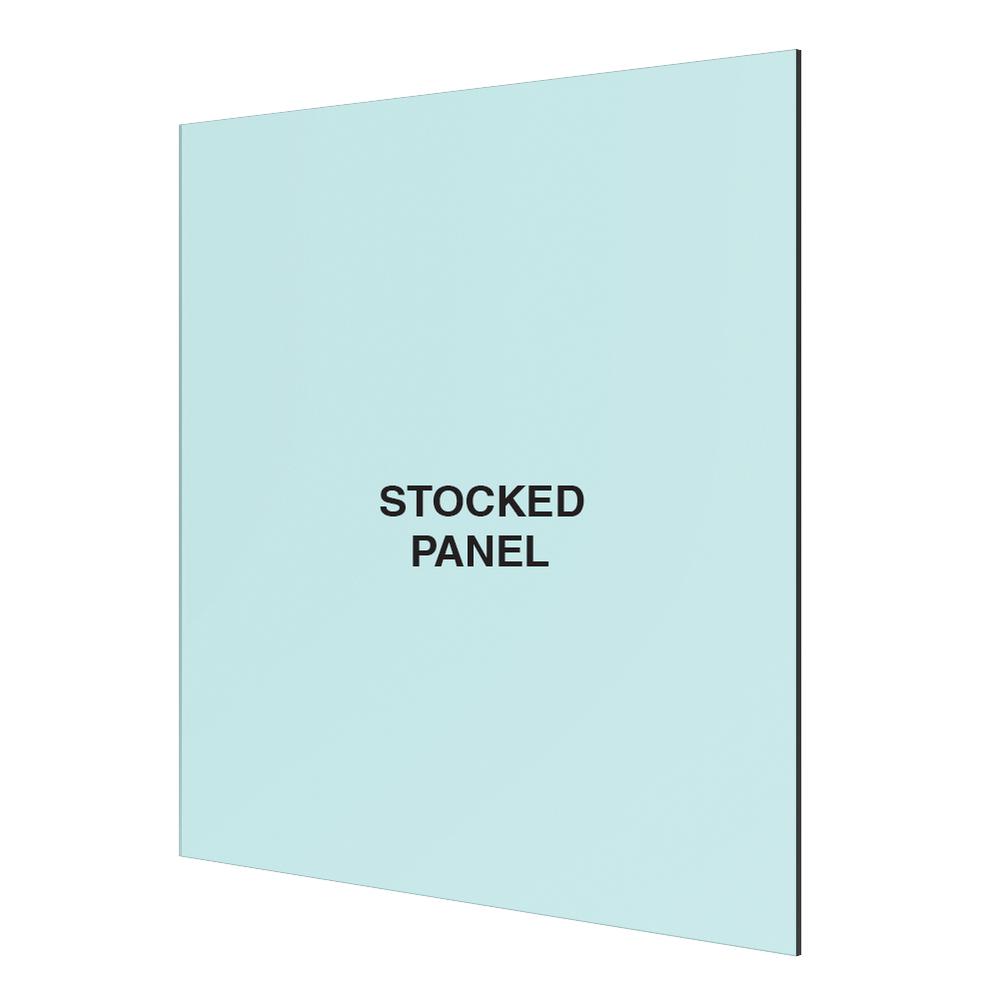
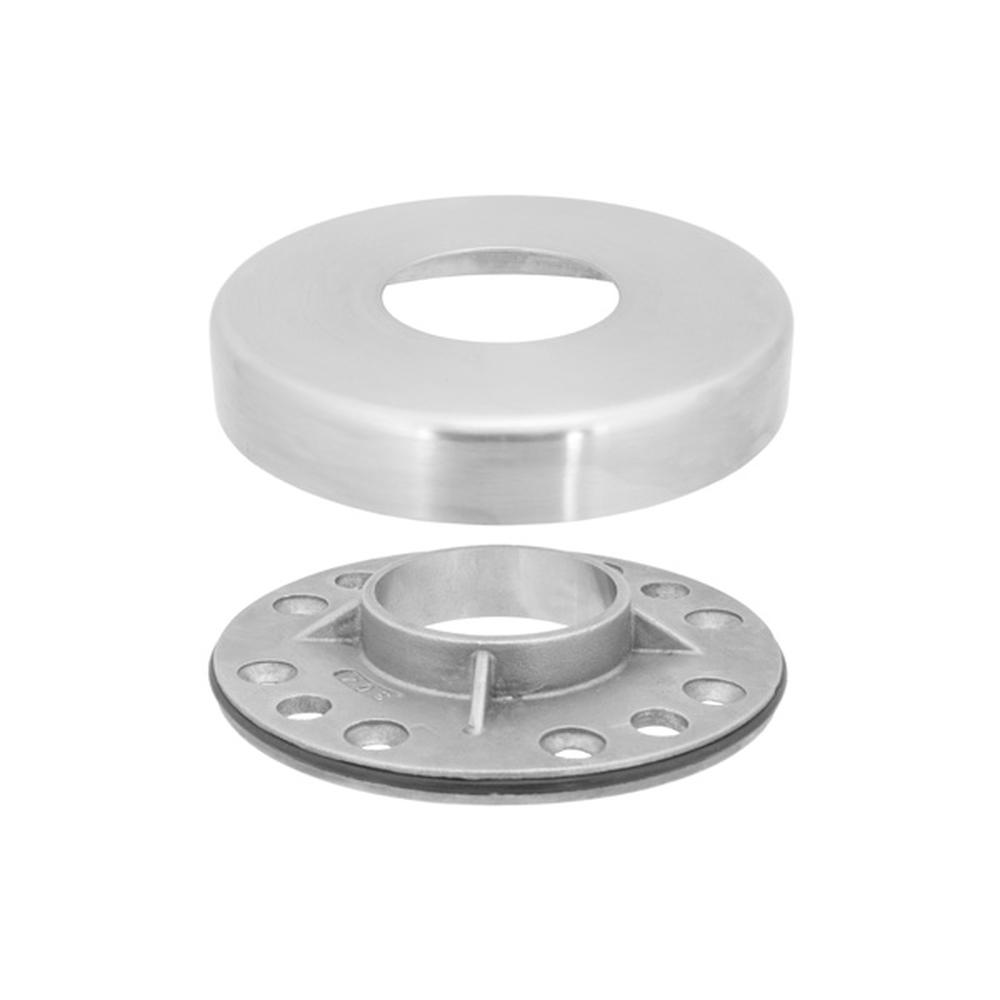
Pro-Railing Material Comparison
Pro-Railing Components: Material Comparison
| Material Type | Finish | Recommended Environment | Key Characteristics | Primary Benefits |
|---|---|---|---|---|
| 304 Stainless Steel | Satin (Brushed) | Internal (Dry, non-coastal) | 18% Chromium, 8% Nickel. Standard architectural grade. | Most cost-effective for indoor residential and commercial use. |
| 316 Stainless Steel | Satin (Brushed) | External (Standard outdoor) | Added Molybdenum for chloride resistance. "Marine Grade". | High corrosion resistance; the industry standard for outdoor balustrades. |
| 316 Stainless Steel | Mirror (Polished) | Coastal / Marine (Near sea) | Highly reflective, ultra-smooth surface with no grain. | Prevents salt/dirt buildup; significantly reduces "tea staining" in salt air. |
| PPC Stainless Steel | Powder Coated | Internal & External | 304 or 316 base with a Polyester Powder Coating layer. | Added barrier protection against oxidation. |
| Duplex 2205 | Satin or Polished | Extreme Marine / Pools | Dual-phase structure; nearly 2x the strength of 300-series. | Superior strength and maximum corrosion resistance; ideal for chlorinated pool areas. |
Where can Pro-Railing components be used?
The appeal of stainless steel handrail components and glass balustrade systems spans nearly every building type and application, driven by the combination of compliance, aesthetics and low-maintenance performance:
Domestic staircases and landings: The Pro-Railing component range is ideal for the discerning homeowner or joiner/fabricator installing a contemporary stainless steel stair handrail — wall-bracketed on a timber staircase, or as a free-standing handrail on a metal stringer. The Post & Glass system is increasingly specified for internal open-riser staircases in residential extensions and new-build homes, where frameless or semi-frameless glass panels preserve sightlines and natural light while meeting Building Regulations Part K.
Decking and external terraces: Stainless Post & Glass balustrade is among the most popular solutions for timber and composite decking balustrades, particularly on raised decks or terraces where planning requirements favour a transparent infill that does not obstruct views. Side-fix posts are commonly used at deck edges; core-drilled spigot posts through the deck surface provide the cleanest result. Grade 316 stainless is essential for any coastal or high-humidity external exposure and recommended generally for any external use.
Commercial and hospitality: Hotel reception atriums, retail areas, restaurant balconies and office open-plan floors are among the most demanding applications — Pro-Railing handrailing solutions provide a polished, low-maintenance finish that withstands daily cleaning. The Post & Glass system, specified with mirror-polished or satin 316 stainless posts and a toughened glass infill, delivers on both counts and has been extensively used in UK commercial fit-out projects. Please note that Pro-Railing Post & Glass Balustrading is tested and compliant up to 0.74kN/m (BS 6180) and is not suitable as a barrier above 600mm for high-traffic areas.
Juliet balconies and roof terraces: Juliet balcony systems utilising stainless posts and toughened glass panels provide a lightweight, visually minimal barrier in front of inward-opening floor-to-ceiling doors — satisfying the Building Regulations minimum 1100mm barrier height for balconies without the visual bulk of a traditional metal railing. Roof terraces and accessible flat roofs similarly benefit from the system’s weather resistance and transparency.
Why are stainless steel & glass balustrade systems growing in popularity?
Three drivers are behind the sustained increase in demand for tube clamps and key clamp fittings:
(1) Architectural design demand for transparency and light: The dominant trend in UK residential and commercial architecture — open-plan layouts, large glazing apertures, double-height spaces — creates an inherent conflict with solid or opaque balustrade infills that interrupt space and block light. Toughened glass infill with a minimal stainless framework is the de facto answer to this challenge, and demand has grown consistently with the rise of open-plan renovation and new-build residential design. The Post & Glass system allows light to travel unimpeded through a balustrade, visually expanding any space.
(2) Low maintenance and long service life: Grade 316 stainless steel is inherently corrosion-resistant without any surface coating — there is no paint to chip, no galvanising to undercut and no surface treatment to renew. In normal conditions, a satin 316 stainless steel installation requires only periodic cleaning with a stainless steel cleaner to maintain its appearance for decades. Toughened glass panels are similarly robust: they do not corrode, warp or require painting, and can be cleaned with standard glass cleaning products. For building owners and facilities managers, this translates directly to lower lifecycle maintenance cost compared to painted mild steel or powder-coated aluminium balustrade.
(3) Streamlined compliance with a proven, specified system: The combination of a structurally tested post-and-glass system with a DDA-compliant stainless top rail removes significant design and certification risk. When a system has been tested to BS 6180 commercial loading and the components are manufactured to defined specifications, the contractor and specifier can install with confidence that the finished assembly meets Building Regulations Approved Document K, Approved Document M and relevant British Standards — without commissioning bespoke structural calculations. F.H.Brundle’s range is supported by installation guidance further de-risking specification and installation.
How to buy.
Whether you are fitting a simple stainless handrail bracket run or specifying a complete post and glass balustrade system with bespoke glass panels, here is a clear guide to purchasing from F.H.Brundle:
(1) Define your application and infill type. Determine whether you need a solid infill balustrade (glass panels), a wire rope infill or a simple handrail run wall-bracketed with Pro-Railing fittings. Depending on the installation scenario, you will need to consider both Part M and Part K Building Regulations. If acting as a barrier above a 600mm drop, then a top rail will be required with a post and glass system for instance.
(2) Select your post fixing method and post type. Choose between concrete-in posts (set into concrete or stone — produces the cleanest finish), side-fix posts (bolted to a staircase string, wall face or deck fascia) or bolt-down posts (bolted to the floor surface with a visible base plate — easiest retrofit). Confirm with your structural engineer or building control officer that the substrate can accept the post fixing loads specified.
(3) Using Glass Panels? Measure your glass panel dimensions carefully. Precise measurement is essential. The panel width is typically determined by the post centres minus the space occupied by post clamps or glass channel. Panel height depends on your chosen balustrade height (typically 1100mm finished height above floor level for residential; 1,100mm for commercial) minus the base channel or clamp engagement depth. Use our glass panel selector page to select stocked panels or submit your custom dimensions for a bespoke-cut quote.
(4) Complete your component list. For a full system order, ensure you have: posts (with fixing bolts); glass panels; glass clamps (as appropriate); top rail (if required); top rail joiners and end caps; handrail brackets or wall returns where the top rail meets a wall. Our product pages include component-level detail to help you build a complete bill of materials, and our Resource Centre carries a full library of technical specification and CADs. Contact your nearest branch for advice on any bespoke requirements.
Non-residential Handrails & Guardrails
Generally any raised area with an unprotected edge, such as a walkway, platform or staircase, from which a fall of more than 0.6m could happen, must be fitted with a guardrail. These may be of tubular or solid construction or a combination of both.
Handrails supplied from the Pro-Railing range follow the recommendations of BS 6399 Part 1, BS 5395 and BS 6180. Usually two horizontal rails, consisting of a top rail and a mid-rail, or alternatively a top rail and an infill panel. For staircases or ladders bounded by a wall, only a single handrail is required with a minimum hand clearance of 65mm, as recommended by EEUA.
Wherever possible handrails should be continuous and follow the exposed edge of the raised platform and/or staircase. The minimum handrail height for platforms and walkways is 1,100mm above the surface, and for staircases the handrail height is between 900 and 1100mm above the pitch line. Handrails should finish in a swept end, either to the wall, knee rail or return to the upright standard.
Sharp corners, protrusions and exposed ends should be avoided and return bends should not protrude more than 350mm from the centre line of the upright. At the foot of staircases no extrusion should extend beyond the maximum extension of the stringer. BS 5395: Part 3 recommends the minimum design imposed lateral loads that should be used in industrial situations:
LIGHT DUTY – Access limited to one person: 0.36 kN/m
GENERAL DUTY – Regular pedestrian traffic: 0.36kN/m
HEAVY DUTY – High density traffic (escape route): 0.74kN/m
Areas subject to crowding OVER 3m WIDE: 3.00kN/m
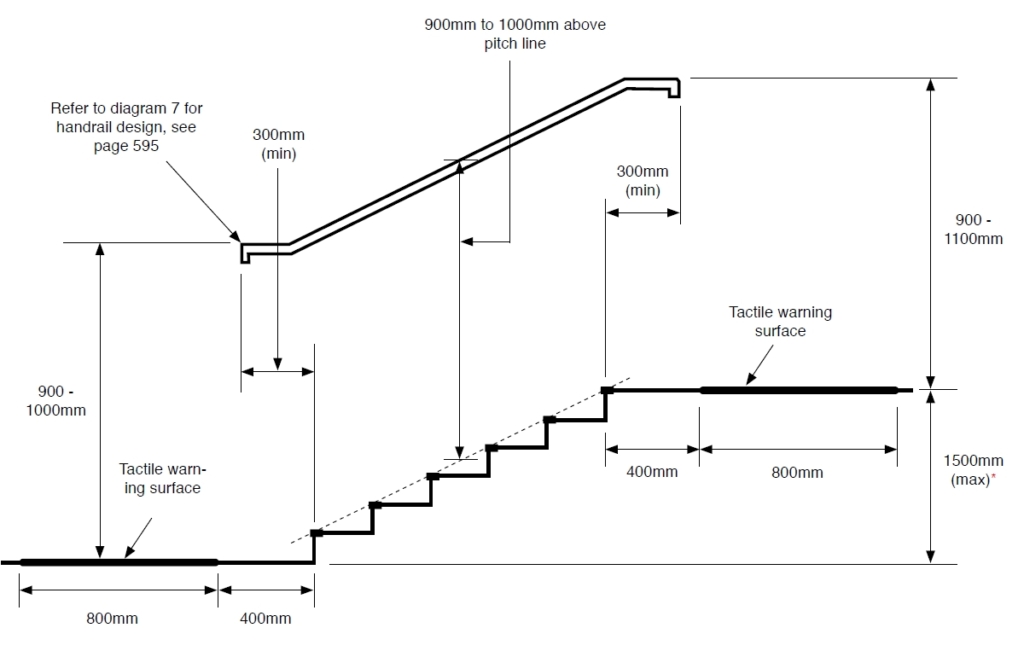
Diagram 1
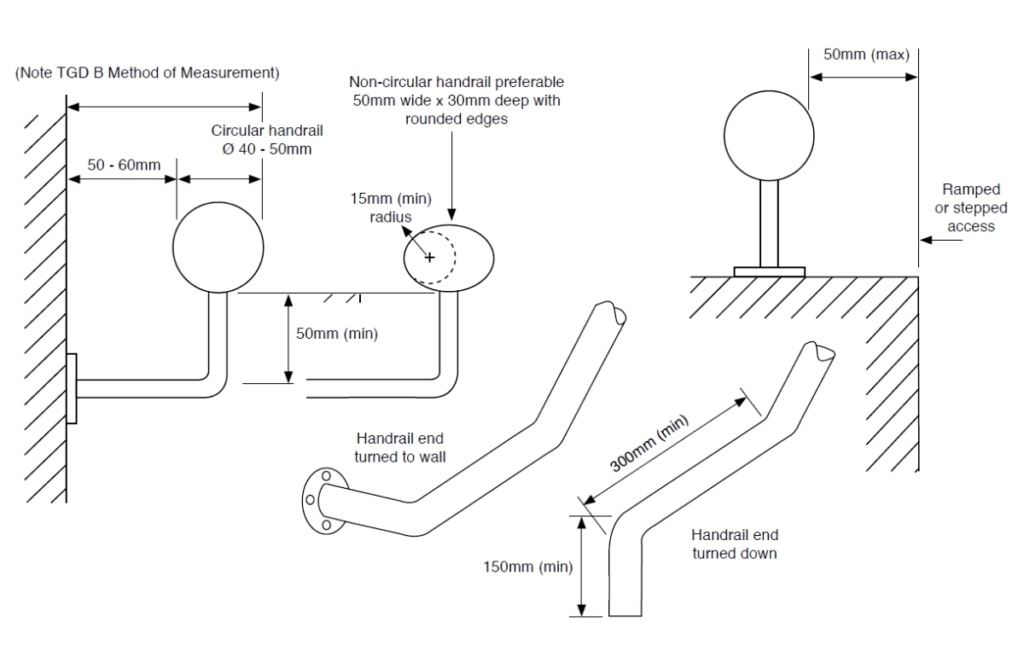
Diagram 2
Extract From Building Regulations Part K & Part M;
1.1.3.6 Handrails
General guidance on handrails and guarding is given in TGD K, but the guidance that follows applies to handrails on accessible access routes.
Where handrails are provided on a ramped or stepped access route:
(a) The vertical height to the top of the upper handrail from the pitch line of the surface of a flight should be between 900 and 1000mm, and from the surface of a landing should be between 900 and 1100mm (refer to Diagram 1 above). Where a second handrail on stairs is provided for children or those of short stature the vertical height to the top of a second lower handrail from the pitch line of the surface of a flight should be between 600 and 700mm;
(b) Where there are two or more flights separated by a landing or landings, the handrails should be continuous across flights and landings, except where broken by side access routes on landings;
(c) Where the handrail is not continuous, the handrail should extend at least 300mm beyond the top and bottom of a ramped approach and the top and bottom risers of a stepped approach, and terminate in a closed end which does not project into a route of travel. Handrails should be terminated in such a way that reduces the risk of clothing being caught;
(d) The background against which the handrails are seen should contrast visually without being highly reflective;
(e) The profile should be either circular with a diameter of between 40 to 50mm or oval with a width of 50mm (refer to Diagram 2);
(f) Handrails should not protrude more than 100mm into the surface width of the access route where this would impinge on the stair width requirement of TGD B – Methods of Measurement;
(g) There should be a clearance of at least 50 to 60mm between the handrail and any adjacent wall surface (refer to Diagram 2);
(h) There should be a clearance of at least 50mm between a cranked support and the underside of the handrail (refer to Diagram 2). The handrail support should meet the handrail centrally on its underside. Rationale:
This will minimise the risk of the handrail supports interrupting the smooth running of a person’s hand along the rail;
(i) The handrails inner face should be located no more than 50mm beyond the surface width of the access route (refer to Diagram 2);
(j) Handrail fixings should be designed to meet the loading recommendations of I.S. EN 1991-1-1:2002.
FAQs
Grade 316 stainless steel requires minimal maintenance but does benefit from regular cleaning to maintain its appearance and maximise its corrosion resistance. For routine cleaning, wipe down with a clean cloth dampened with warm soapy water, then rinse and dry thoroughly. Avoid abrasive pads or cleaning products containing chlorine bleach, which can damage the passive oxide layer. For stubborn contamination, rust staining from adjacent mild steel, or marine environments, use a proprietary stainless steel cleaner and restorer — F.H.Brundle stocks suitable maintenance products in the cleaning products range. In coastal environments, more frequent cleaning (monthly) is recommended. Never use wire wool or steel-based cleaning tools, as ferrous deposits can initiate surface corrosion.
For full cleaning instructions, refer to page 593 of the catalogue.
The majority of Pro-Railing handrail bracket and connector fittings are designed to accept 42.4mm OD round tube — the standard size for a DDA-compliant continuous smooth handrail meeting Approved Document M of the Building Regulations. Selected fittings are also available for 48.3mm OD tube, which is used where a more substantial handrail profile is preferred or where heavier loading is anticipated. F.H.Brundle stocks the corresponding satin stainless round tube in both diameters, along with bends and returns for staircase applications.
Building Regulations Approved Document K specifies the following minimum barrier heights in England and Wales: 900mm for internal stairs (measured vertically from the pitch line of the stair); 1000mm for internal landings, mezzanine floors and internal balconies in residential dwellings; and 1100mm for external balconies, roof terraces and all commercial applications. Scotland (Technical Handbook) and Northern Ireland have their own requirements that broadly align with Approved Document K but should be checked independently. The height is measured from the finished floor level to the top of the handrail or the top of the barrier, whichever is higher.
Yes — the system is suitable for both internal and external applications. The grade 316 stainless steel posts and fittings provide excellent corrosion resistance in external and coastal environments. Toughened glass panels are fully weatherproof and UV-stable. For external installations on decking, terraces or balconies, the side-fix or concrete-in post fixing methods are the most commonly used — both create a clean, low-profile installation that does not trap debris or standing water. Always check local planning requirements: some conservation areas or listed buildings may restrict the use of glass balustrade externally.
The glass specification for a balustrade is determined by Building Regulations Approved Document K and the structural loading requirements of BS 6180. As a minimum, balustrade infill glass must be a safety glazing product as defined by BS 6206 or EN 12600 — in practice this means toughened (tempered) safety glass (EN 12150) or laminated safety glass (EN ISO 12543). For most domestic balustrade applications (residential staircase, decking, Juliet balcony), toughened glass is the standard choice. For commercial applications, overhead glazing or locations where a broken panel must remain in-situ (e.g. floor-level glass), laminated glass is typically required.
F.H.Brundle can supply both toughened and laminated glass panels. Before ordering, always confirm the glass specification with your structural engineer or building control officer if in any doubt.
Both grades are austenitic stainless steels with excellent general corrosion resistance, but grade 316 contains 2–3% molybdenum which substantially improves resistance to chloride ions — the principal cause of pitting corrosion in stainless steel. In practical terms, grade 304 is adequate for most dry internal applications and sheltered external environments away from the coast. Grade 316 is the correct specification for any external application, coastal location, swimming pool surround (however Duplex is an even more resilient grade of stainless for this environment), marine environment or environment with regular cleaning using chlorinated chemicals.
F.H.Brundle’s Pro-Railing components are manufactured in grades 304 and 316 with some available in Duplex 2205.
We pride ourselves in sourcing easy to install systems. However, we always recommend that you seek advice and follow the installation instructions.
Our stainless steel 316 and Duplex 2205 products are suitable for waterside/marine installations.
Some products or systems will require specific tools. Always read the appropriate installation instructions for your required system for details.