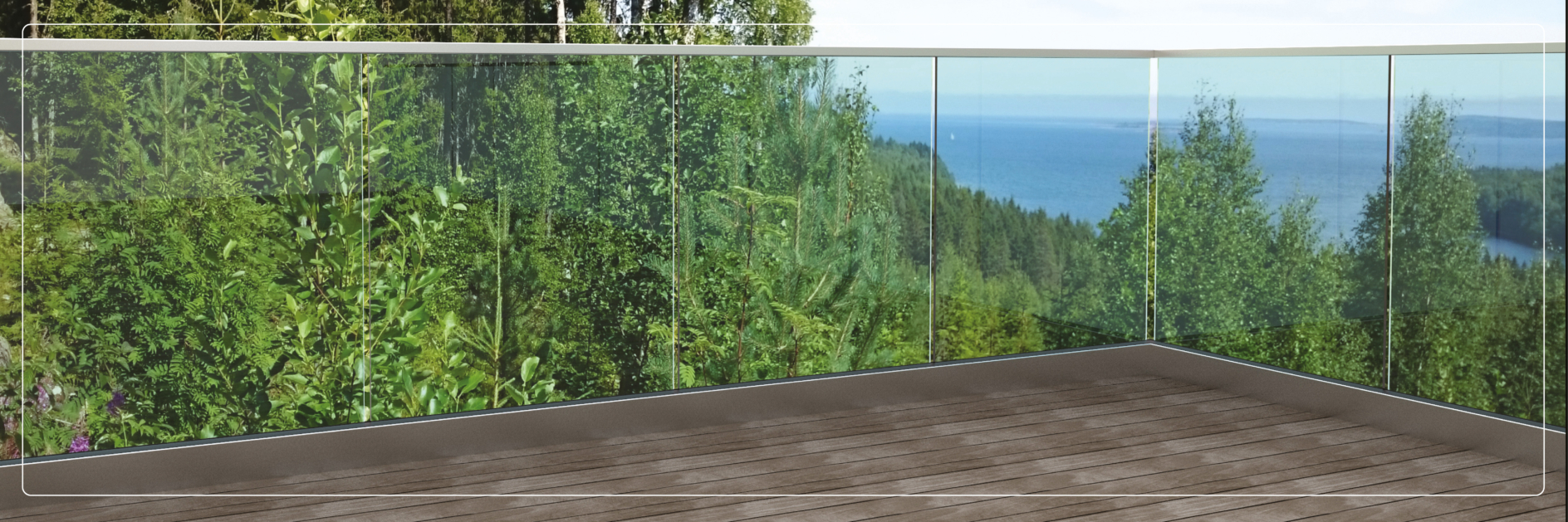
Why Choose a Top Rail?
Top Rail Solutions
Glass balustrades remain one of the most popular choices for modern residential and commercial projects, delivering uninterrupted views, clean lines and a contemporary finish. However, many applications require a top rail to improve usability, provide additional rigidity and satisfy project-specific design or regulatory requirements.
F.H.Brundle stocks one of the UK’s most comprehensive ranges of top rail for glass systems, including stainless steel, aluminium and marine-grade options suitable for a wide variety of glass balustrade installations. Designed for straightforward installation without welding, our systems offer an attractive and practical finishing solution for glass thicknesses ranging from 8mm through to 21.5mm.
Whether you are specifying a frameless glass balustrade, a balcony, decking system, terrace, commercial development or staircase, our range provides a professional solution for every project.
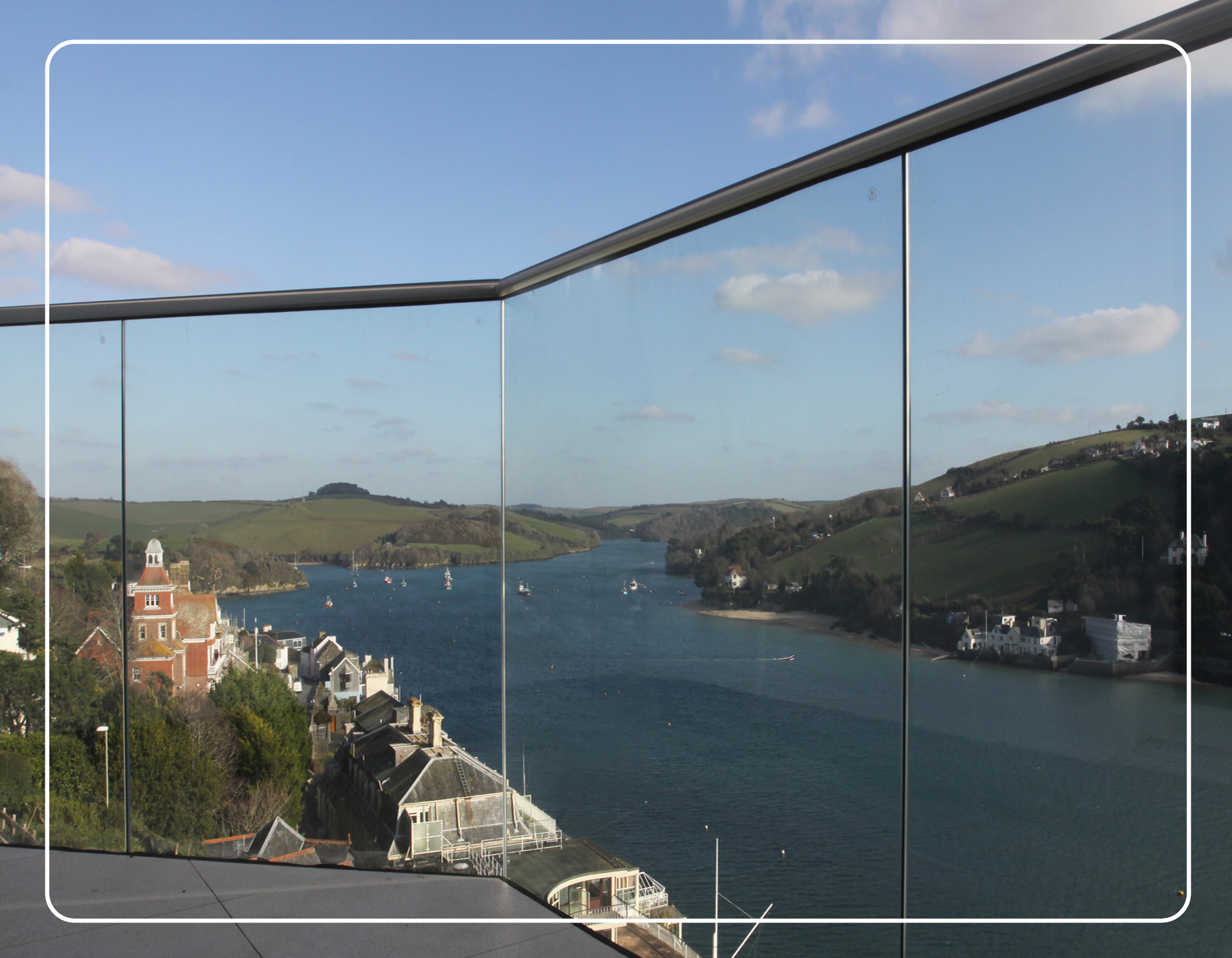
What are the choices within the Top Rail for Glass range?
Different projects demand different aesthetics, performance characteristics and environmental resistance. That is why our range includes a variety of profiles, finishes and material grades.
Stainless Steel Top Rails
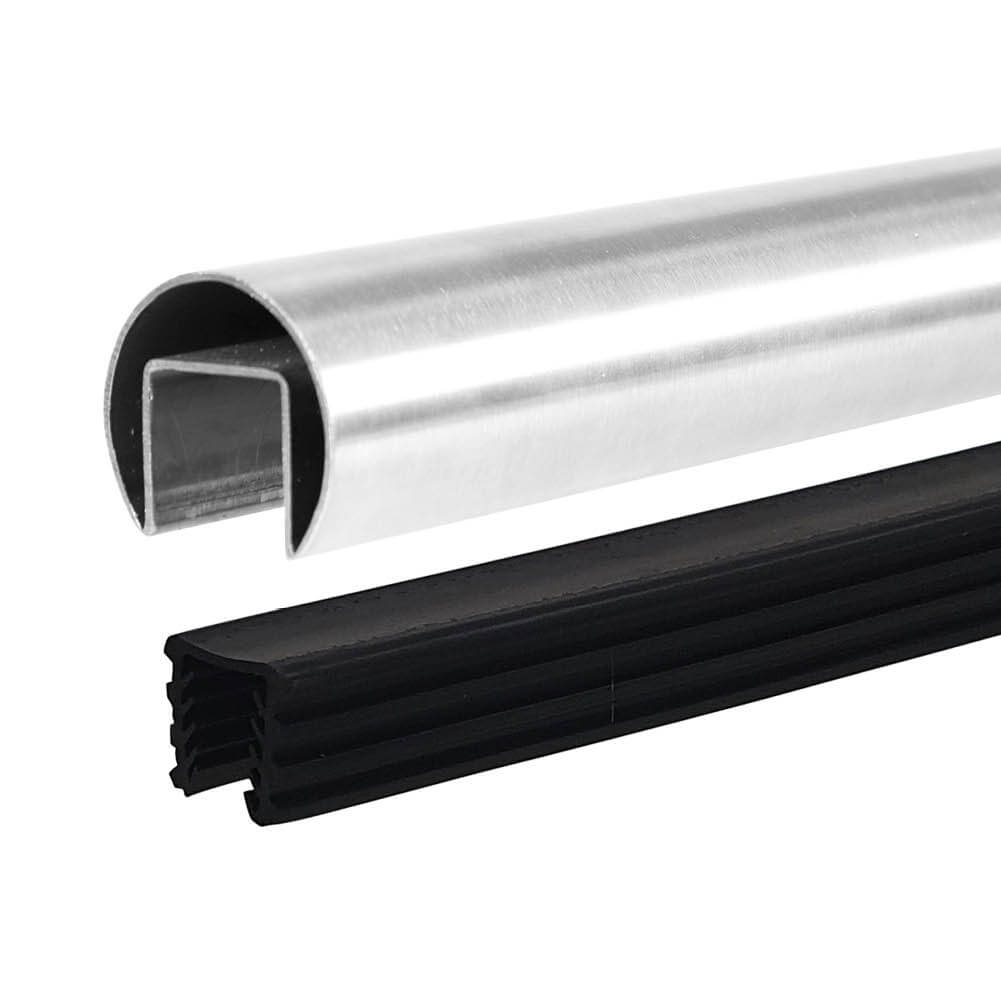
A popular choice for residential and commercial applications, stainless steel top rails provide exceptional durability alongside a premium appearance. Available in Grade 304 (recommended for internal use only) and Grade 316 stainless steel, suitable for both internal and external installations.
Aluminium Top Rails
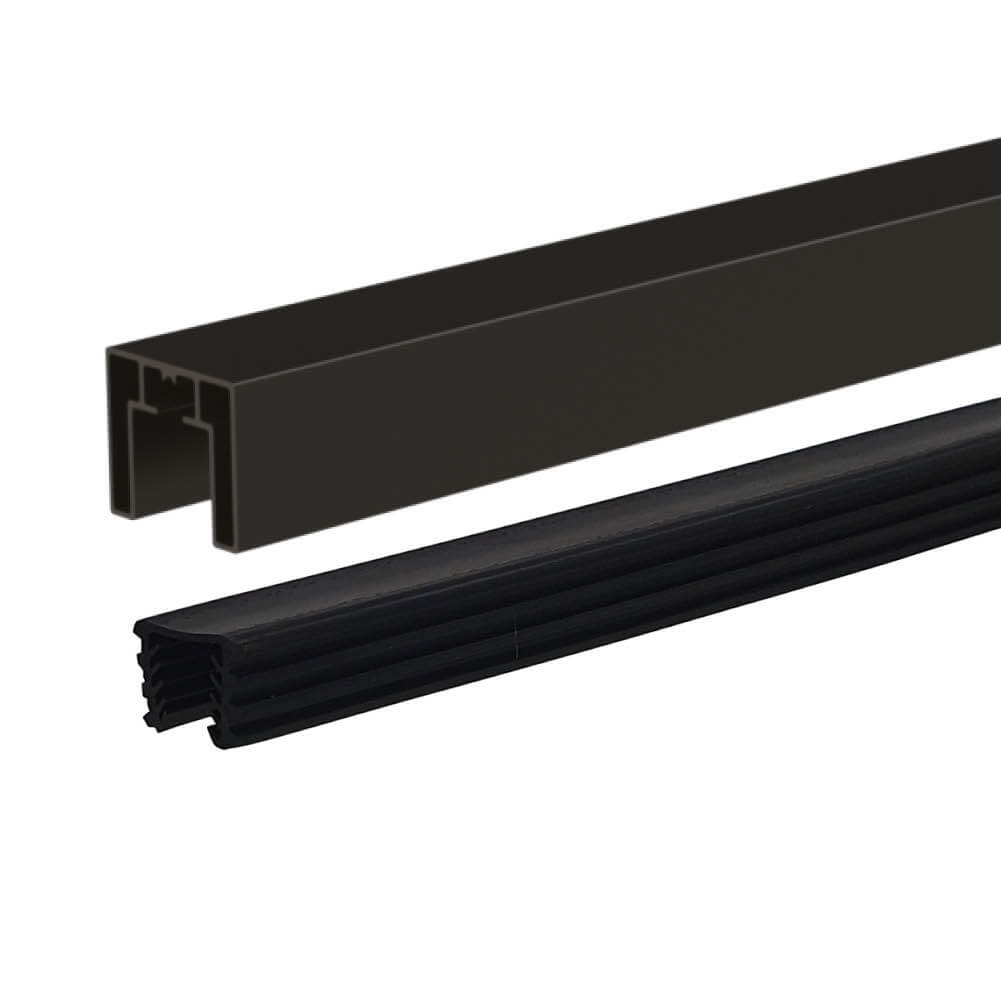
Aluminium top rails offer a lightweight and cost-effective solution while maintaining excellent corrosion resistance. Available in a range of finishes, including anodised and powder-coated options, they provide a sleek contemporary appearance.
Multiple Profile Options
The range includes square, round and slim-profile designs, enabling specifiers and installers to achieve the desired visual appearance while maintaining functionality and compliance.
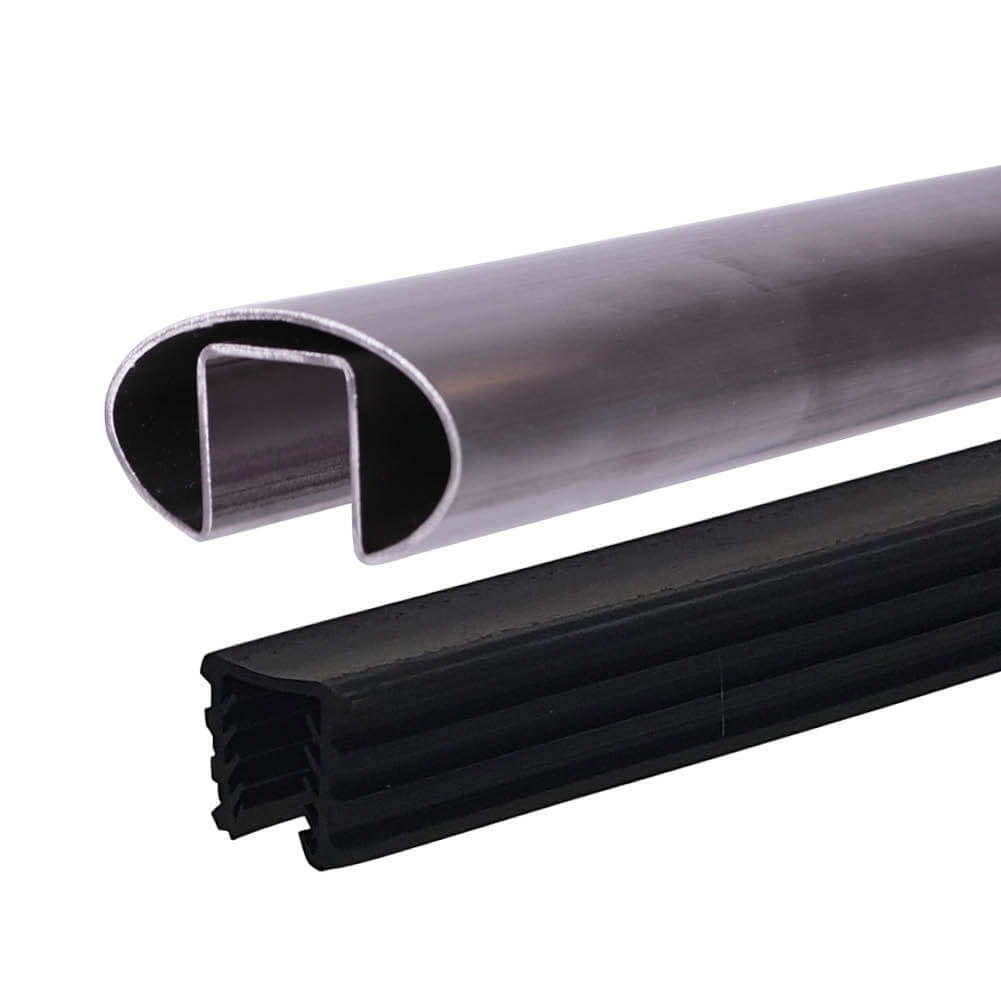
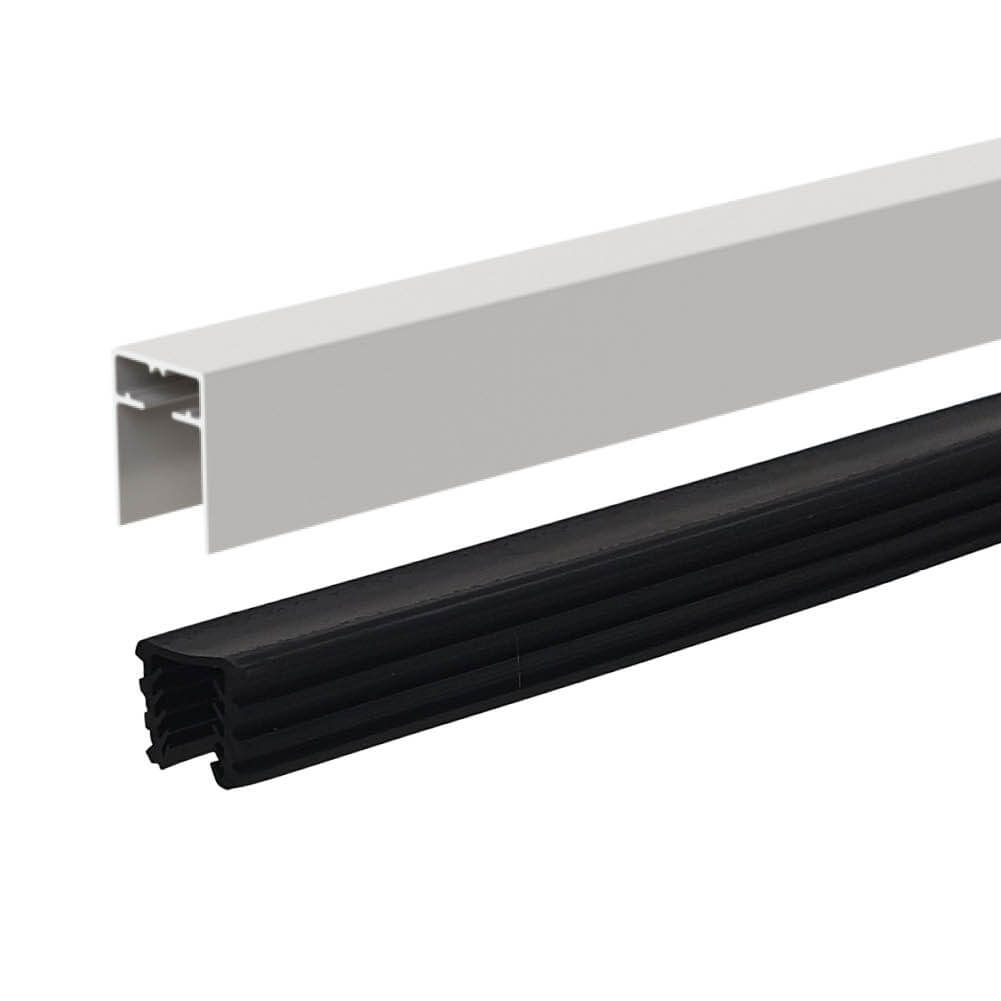
Why choose a Top Rail for a Glass Balustrade?
Adding a top rail to a glass balustrade system provides several practical and aesthetic benefits.
Improved Structural Performance
A top rail can help distribute loading across multiple glass panels, contributing to the overall rigidity of the balustrade system where required by the design.
Enhanced User Comfort
Many users prefer a dedicated handrail rather than direct contact with the glass. A top rail provides a comfortable and secure surface to hold when using stairs, balconies and elevated walkways.
Clean Visual Finish
Top rails create a defined architectural feature that frames the glass and provides a visual break, helping to deliver a more finished and professional appearance.
Simplified Installation
Our systems utilise gasket-based fixing methods and slide-in joiners, reducing installation time and eliminating the need for welding.
Suitable for a Wide Range of Glass Thicknesses
With options suitable for glass panels from 8mm to 21.5mm thick, installers can specify the correct solution for almost any glass balustrade project.
Typical Applications
Top rail systems are commonly used across a wide range of sectors and installation types.
Residential Balustrades
Perfect for balconies, terraces, decking areas, garden projects and internal staircases where a modern appearance is required.
Commercial Developments
Widely specified for offices, retail developments, hospitality venues and public buildings where durability and aesthetics are equally important.
Coastal and Marine Projects
Marine-grade options are ideal for installations exposed to salt spray and harsh weather conditions.
Frameless Glass Balustrades
Top rails provide an elegant finishing detail for frameless glass systems while helping maintain the minimalist appearance that makes glass balustrades so popular.
| Feature | Stainless Steel 304 | Stainless Steel 316 | Aluminium |
|---|---|---|---|
| Primary Use | Internal & sheltered external | External & coastal environments | Domestic & light commercial |
| Corrosion Resistance | Good | Excellent | Very good |
| Strength | High | Very High | Moderate |
| Weight | Medium | Medium | Lightweight |
| Maintenance Level | Low | Very low | Very low |
| Installation Ease | Easy | Easy | Very easy |
| Best For | Balconies, stairs, interiors | Coastal homes, outdoor balustrades | Budget-friendly systems, fast installs |
How to buy
Whether you are installing a simple glass balustrade for a residential project or specifying a large commercial development, purchasing the correct top rail system is straightforward.
1. Determine your glass thickness
Select the appropriate top rail profile based on the thickness of the glass panel being used.
2. Choose your material
Consider the installation environment and required appearance. Stainless steel offers a premium finish, aluminium provides a lightweight alternative, while Duplex 2205 is recommended for highly corrosive environments.
3. Calculate rail lengths and fittings
Measure the total linear metres required and identify any joiners, end caps and associated fittings needed for the installation.
4. Review compliance requirements
Always check relevant building regulations, structural requirements and project specifications before finalising your order.
5. Order from stock
With extensive UK stockholding and nationwide branch support, F.H.Brundle can supply complete top rail systems alongside compatible glass panels and balustrade components.
FAQs
Yes. Top rails are commonly specified for frameless glass balustrades to provide a finishing detail, improve usability and satisfy project-specific requirements.
Yes. No welding is required. Our systems are designed for quick installation. Connectors simply slide into the top rail for a neat joint on flat runs and staircases.
Grade 304 is suitable for most internal and external applications, while Grade 316 provides enhanced corrosion resistance and is recommended for coastal environments.
Our range includes systems suitable for glass thicknesses from 8mm up to 21.5mm.
This depends on the application, loading requirements and local building regulations. Some installations require a top rail, while others may utilise fully frameless systems. Always verify requirements with the relevant authority or project engineer.