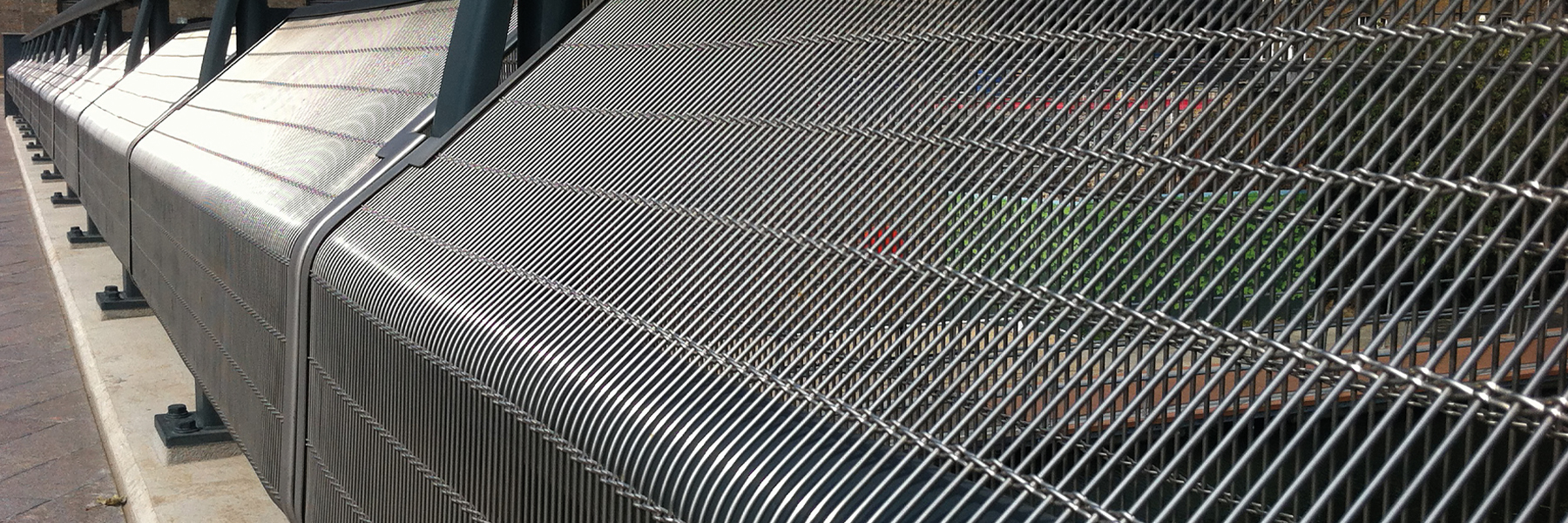
Why Choose Woven Wire Mesh?
Premium Woven Wire Mesh for Construction, Civil Engineering, Transportation & Architectural Applications
Woven wire mesh is a versatile, durable and highly adaptable material used across construction, civil engineering, transportation and architectural projects. Manufactured by weaving individual wires together in a precise pattern, it offers excellent flexibility, strength and open area, making it suitable for applications ranging from screening and filtration to decorative façades and safety barriers.
At F.H.Brundle, we stock an extensive range of woven wire mesh in stainless steel, galvanised steel and mild steel, available in a variety of weave types, aperture sizes, wire diameters and sheet or roll formats. Whether you’re specifying mesh for industrial screening, architectural detailing or infrastructure projects, our comprehensive product range provides reliable solutions for demanding environments.
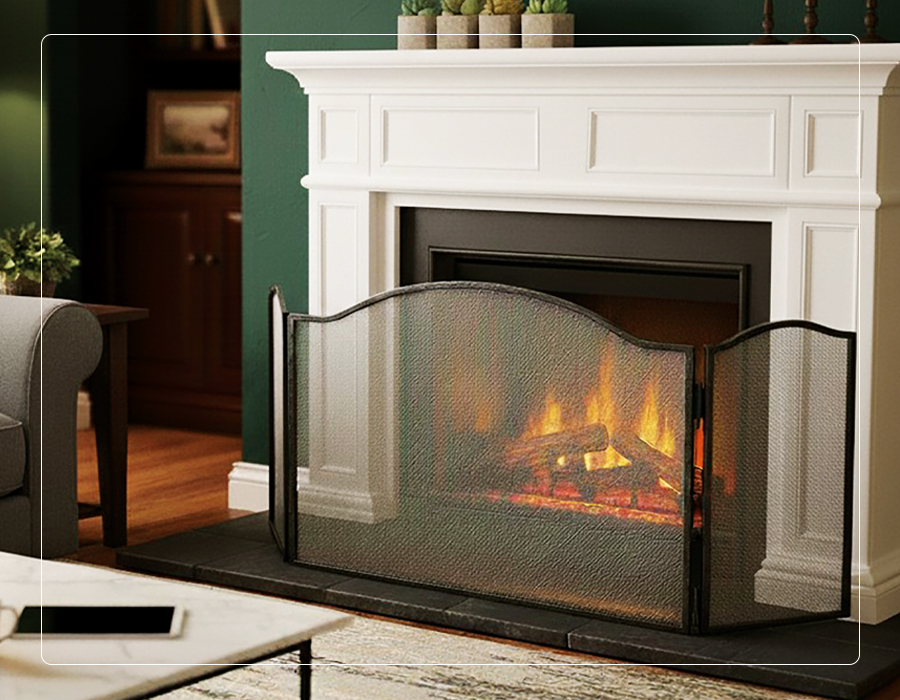
What is Woven Wire Mesh?
Woven wire mesh is manufactured by interlacing individual wires in much the same way as woven fabric. Longitudinal (warp) wires and transverse (weft) wires are woven together to create a consistent mesh pattern with precise openings.
Unlike welded wire mesh, where each intersection is permanently welded, woven wire mesh retains a degree of flexibility, making it particularly suitable for screening, filtration, guarding and architectural applications.
Woven wire mesh is available in a wide range of:
• Aperture sizes
• Wire diameters
• Weave patterns
• Open area percentages
• Materials
• Roll widths and sheet sizes
This versatility makes it suitable for everything from heavy industrial screening to decorative architectural installations.
Woven Wire Mesh at a Glance
| Requirement | Woven Wire Mesh Recommendation |
|---|---|
| General-purpose screening | Plain weave |
| Fine filtration | Twill weave |
| Architectural screening | Plain or decorative weave |
| Decorative applications | Decorative weave |
| Internal industrial applications | Mild steel |
| External applications | Galvanised steel |
| Corrosive environments | Stainless steel |
| Food & pharmaceutical applications | Stainless steel |
| Flexible mesh requirement | Woven wire mesh |
| Precise apertures required | Woven wire mesh |
Benefits of Woven Wire Mesh
Excellent Flexibility
The woven construction allows the mesh to accommodate forming and shaping more easily than rigid welded mesh, making it suitable for bespoke fabrications and curved applications.
Accurate Screening
Manufactured with consistent aperture sizes, woven wire mesh provides reliable screening and separation across a wide range of industries.
Good Airflow and Visibility
The open weave allows unrestricted airflow, natural light and visibility while maintaining containment or protection.
Corrosion-Resistant Options
Stainless steel, galvanised steel and other corrosion-resistant materials provide long-term performance in challenging environments.
Wide Range of Specifications
With numerous weave styles, wire gauges and aperture sizes available, woven wire mesh can be selected to suit both structural and decorative applications.
Attractive Architectural Finish
The refined appearance of woven mesh makes it popular for contemporary façades, balustrades, ceilings and feature screens.
The clean, uniform patterns provide a contemporary finish that complements modern building design.
Durable and Low Maintenance
Available in corrosion-resistant materials including stainless steel, aluminium and galvanised steel, perforated metal performs well in demanding indoor and outdoor environments.
Applications for Woven Wire Mesh
Construction
Woven wire mesh is used throughout the construction industry where flexibility, durability and precise apertures are required.
Typical applications include:
• Ventilation panels
• Protective screening
• Plant room enclosures
• Equipment guarding
• Ceiling systems
• Partition walls
• Building services screening
• Brickwork reinforcement in specialist applications
• Pest control barriers
• Security infill panels
Its adaptability makes woven wire mesh suitable for both permanent installations and fabricated components.
Civil Engineering & Transportation
Infrastructure projects require robust materials capable of performing in demanding environments while allowing airflow, visibility or filtration.
Common applications include:
• Bridge protection systems
• Railway screening
• Infrastructure fencing
• Ventilation grilles
• Equipment enclosures
• Filtration systems
• Drainage screening
• Utility compounds
• Protective barriers
• Transport maintenance facilities
Corrosion-resistant materials ensure reliable performance in exposed outdoor environments.
Engineering & Manufacturing
Perforated metal is widely used across engineering and manufacturing where controlled apertures, airflow, screening and durable sheet material are required.
Typical applications include:
• Ventilation panels and grilles
• Machine and equipment guarding
• Protective screening
• Safety guards and barriers
• Machinery enclosures
• Filtration and separation components
• Acoustic panels and equipment surrounds
• Conveyor and processing equipment components
• Industrial screens and partitions
• HVAC and air-handling components
• Electrical and control equipment enclosures
• Fabricated machine components
Its combination of precise perforation patterns, strength and ease of fabrication makes perforated metal suitable for both individual components and larger engineered assemblies.
Architectural Applications
Architects frequently specify woven wire mesh because it combines technical performance with a refined, contemporary appearance.
Popular architectural applications include:
• Decorative façades
• Balustrade infill panels
• Internal partitions
• Feature ceilings
• Lift shaft screening
• Green wall support systems
• Privacy screens
• Solar shading
• Retail displays
• Exhibition installations
Different weave styles create varying levels of transparency, light transmission and visual texture, giving designers greater creative freedom.
Common Weave Types
Plain Weave
The most common weave pattern, where each wire passes alternately over and under adjacent wires.
Benefits include:
• Uniform apertures
• Good stability
• Excellent versatility
• Suitable for general screening and architectural applications
Twill Weave
Each wire passes over and under multiple wires, creating a denser weave.
Ideal for:
• Fine filtration
• Heavy-duty screening
• Smaller aperture sizes
• Increased wire strength
Decorative Weaves
Decorative woven mesh incorporates specialist weave patterns to achieve distinctive architectural effects while maintaining functional performance.
Often specified for:
• Building façades
• Feature walls
• Luxury interiors
• Retail environments
• Public building
Materials Available
Mild Steel Woven Wire Mesh
A cost-effective solution suitable for fabrication and general industrial use where corrosion protection can be applied.
Applications include:
• Internal screening
• Fabrication
• Machinery
• Industrial projects
Galvanised Woven Wire Mesh
Galvanised mesh provides enhanced corrosion resistance for external environments.
Suitable for:
• Agricultural installations
• Security screening
• Ventilation
• External enclosures
Stainless Steel Woven Wire Mesh
Stainless steel offers outstanding corrosion resistance, hygiene and durability.
Common applications include:
• Food processing
• Pharmaceutical manufacturing
• Marine environments
• Clean rooms
• Architectural installations
What Type of Woven Wire Mesh Should I Use?
The right woven wire mesh depends on the application, required aperture, weave type, material and environment. Plain weave is the most versatile option for general screening and architectural applications, while twill weave is suited to finer filtration, smaller apertures and applications requiring increased wire strength. Decorative weaves are designed for architectural applications where visual appearance and texture are important. For materials, mild steel provides an economical solution for general industrial applications, galvanised steel offers enhanced corrosion resistance for external use, and stainless steel provides excellent corrosion resistance and hygiene for demanding environments.
Which weave type should you choose?
Plain weave is the most versatile option for general screening and architectural applications where uniform apertures and stability are required.
Twill weave is better suited to applications requiring finer filtration, smaller apertures or increased wire strength.
Decorative weaves are ideal when the appearance and visual texture of the mesh are an important part of the architectural design.
Which woven wire mesh material should you choose?
| If you need… | Recommended material | Why? |
|---|---|---|
| An economical woven mesh | Mild Steel | Cost-effective for general fabrication and industrial applications |
| Woven mesh for internal screening | Mild Steel | Suitable for internal applications where corrosion exposure is limited |
| Woven mesh for external applications | Galvanised Steel | Enhanced corrosion resistance for outdoor environments |
| Woven mesh for agricultural applications | Galvanised Steel | Durable and better suited to exposure to the elements |
| High corrosion resistance | Stainless Steel | Excellent resistance to corrosion and demanding environments |
| Mesh for food processing | Stainless Steel | Suitable for hygiene-sensitive applications |
| Mesh for pharmaceutical facilities | Stainless Steel | Combines durability, corrosion resistance and hygiene |
| Mesh for marine environments | Stainless Steel | Better suited to demanding corrosive environments |
| Architectural woven mesh | Stainless Steel | Provides durability alongside a clean, contemporary appearance |
Woven Wire Mesh: Material Comparison
| Material | Key Benefits | Best Suited To | Typical Applications | Environment |
|---|---|---|---|---|
| Mild Steel Woven Wire Mesh | Cost-effective, versatile and suitable for fabrication | General industrial, construction and fabrication applications | Internal screening, machinery, fabrication, industrial projects | Primarily internal or where corrosion protection can be applied |
| Galvanised Woven Wire Mesh | Enhanced corrosion resistance and durability | External, agricultural and security applications | Agricultural installations, security screening, ventilation, external enclosures | Outdoor and exposed environments |
| Stainless Steel Woven Wire Mesh | Outstanding corrosion resistance, hygiene and durability | Demanding, corrosive, hygiene-sensitive and architectural applications | Food processing, pharmaceutical manufacturing, marine environments, clean rooms, architectural installations | Corrosive, hygiene-sensitive and demanding environments |
Woven Wire Mesh: Weave Type Comparison
| Weave Type | Construction | Key Benefits | Best Suited To | Typical Applications |
|---|---|---|---|---|
| Plain Weave | Each wire passes alternately over and under adjacent wires | Uniform apertures, good stability and excellent versatility | General screening and architectural applications | Screening, ventilation, partitions, architectural installations |
| Twill Weave | Wires pass over and under multiple wires to create a denser structure | Suitable for fine filtration, smaller apertures and increased wire strength | Filtration and heavy-duty screening | Fine filtration, industrial screening and specialist applications |
| Decorative Weaves | Specialist weave patterns create distinctive visual effects | Visual impact, texture and design flexibility | Architectural and design-led applications | Building façades, feature walls, luxury interiors, retail and public buildings |
Woven Wire Mesh: Application Comparison
| Application | Recommended Weave / Material | Why Woven Wire Mesh Works Well |
|---|---|---|
| Ventilation panels | Plain weave / Galvanised or Stainless Steel | Allows airflow while providing screening and protection |
| Equipment guarding | Plain or Twill weave / Mild or Stainless Steel | Provides a physical barrier while maintaining visibility |
| Filtration | Twill weave / Stainless Steel | Suitable for fine filtration and smaller apertures |
| Architectural façades | Plain or Decorative weave / Stainless Steel | Combines transparency with visual texture and durability |
| Balustrade infill | Plain or Decorative weave / Stainless Steel | Provides an attractive infill while retaining visibility |
| Privacy screening | Decorative weave / Stainless Steel | Allows designers to control transparency and visual screening |
| Solar shading | Decorative or suitable architectural weave / Aluminium or Stainless Steel* | Can help control light and visibility while creating a design feature |
| Plant room screening | Plain weave / Galvanised or Stainless Steel | Provides screening while allowing ventilation |
| Railway screening | Plain weave / Galvanised or Stainless Steel | Provides durable screening while maintaining airflow and visibility |
| Drainage screening | Plain weave / Galvanised or Stainless Steel | Provides screening while allowing water flow |
| Green wall support | Suitable open weave / Stainless Steel or Galvanised Steel | Provides a supporting mesh structure while allowing plants and airflow |
| Retail displays | Decorative weave / Stainless Steel | Creates visual interest while providing a functional display structure |
Woven Wire Mesh Applications by Industry
| Industry | Common Applications | Key Benefits |
|---|---|---|
| Construction | Ventilation panels, protective screening, plant room enclosures, equipment guarding, ceiling systems, partitions, building services screening, pest control barriers, security infill | Flexibility, durability, precise apertures and adaptability |
| Civil Engineering | Bridge protection, infrastructure fencing, equipment enclosures, filtration, drainage screening, utility compounds, protective barriers | Durability, airflow, visibility and corrosion-resistant options |
| Transportation | Railway screening, ventilation grilles, equipment enclosures, infrastructure fencing, transport maintenance facilities | Airflow, visibility, protection and durability |
| Architecture | Decorative façades, balustrade infill, partitions, feature ceilings, lift shaft screening, privacy screens, solar shading | Transparency, light transmission, visual texture and contemporary appearance |
| Industrial | Equipment guarding, machinery screening, filtration and fabricated components | Strength, flexibility and precise apertures |
| Agricultural | Agricultural installations, pest control barriers, screening and external enclosures | Durability and suitability for external applications |
| Food & Pharmaceutical | Filtration, screening and equipment applications | Hygiene, corrosion resistance and durability |
Why Choose Woven Wire Mesh?
Woven wire mesh offers several advantages over alternative mesh products, including:
• Flexible construction
• Precise aperture control
• Excellent airflow
• High visibility
• Broad material selection
• Decorative appearance
• Easy fabrication
• Long service life
• Corrosion-resistant options
• Suitable for screening and filtration
Its versatility makes it suitable for projects ranging from industrial processing plants to landmark architectural developments.
Why Buy Woven Wire Mesh From F.H.Brundle?
F.H.Brundle supplies one of the UK’s largest ranges of woven wire mesh for commercial, industrial and architectural applications.
Our range includes:
• Extensive stock availability
• Stainless steel, galvanised and mild steel options
• Multiple weave patterns
• Wide range of aperture sizes
• Various wire diameters
• Rolls and sheets
• Nationwide delivery
• Technical support for product specification
Whether you’re specifying woven mesh for an architectural façade, industrial screening system or bespoke fabrication, our experienced team can help you select the most suitable product.

FAQs
Woven wire mesh is manufactured by weaving individual metal wires together to form a regular grid of openings. It is commonly used for screening, filtration, guarding, architectural features and industrial applications.
Typical applications include:
- Screening
- Filtration
- Ventilation
- Machine guarding
- Security panels
- Architectural façades
- Balustrades
- Ceiling systems
- Plant enclosures
- Industrial processing
Woven wire mesh is created by interlacing wires, giving it greater flexibility and making it suitable for screening, filtration and decorative applications. Welded wire mesh is manufactured by resistance welding wires at every intersection, producing a rigid panel with excellent structural stability for reinforcement, guarding and security.
Yes. Galvanised and stainless steel woven wire mesh offer excellent corrosion resistance, making them suitable for external architectural, construction and infrastructure applications.
Yes. Woven wire mesh can be cut, formed, framed and fabricated into bespoke components for industrial, commercial and architectural projects.
Plain weave is suitable for most general-purpose applications, while twill weave is often selected for finer filtration or heavier-duty screening. Decorative weaves provide enhanced visual appeal for architectural projects.
Absolutely. Woven wire mesh is widely used for façades, balustrades, ceilings, partitions, privacy screens and decorative features because it combines strength with transparency and contemporary design.
The ideal specification depends on factors such as:
- Aperture size
- Wire diameter
- Material
- Weave pattern
- Open area
- Strength requirements
- Environmental conditions
- Intended application
Our technical team can help identify the most appropriate woven wire mesh for your project.