Handrail solutions: Safety, style & compliance guide
Handrails and balustrades are far more than a finishing detail. Across commercial, industrial and residential projects, they play a critical role in protecting people from falls, improving accessibility and helping buildings comply with UK regulations and British Standards.
Whether specifying a system for an office, industrial facility, residential or public space, or walkway, choosing the right solution from the outset is essential. The correct specification must take into account the intended use, loading requirements, environment, durability and relevant compliance standards. Getting these decisions right early helps avoid costly redesigns, installation delays and compliance issues later in the project.
Falls from height remain one of the leading causes of serious injury in the workplace and the construction industry. An incorrectly specified handrail or balustrade can create safety risks, increase liability and result in expensive remedial work once a project is complete. For architects, contractors, developers and facilities managers, selecting a compliant system isn’t simply about meeting regulations – it’s about delivering a safe, durable solution that performs throughout the life of the building.
Different environments place very different demands on a handrail system. Factors such as pedestrian loading, corrosion resistance, maintenance requirements, aesthetics and installation method all influence the most suitable solution. F.H. Brundle offers one of the UK’s most comprehensive ranges of handrailing and barrier systems for residential, commercial and industrial applications, supported by technical guidance to help specifiers select the right solution with confidence.
Choosing the right solution for your project
There is no single handrail system that’s suitable for every application. The best solution depends on a combination of safety requirements, compliance obligations, environmental conditions, maintenance expectations and the overall design intent of the project.
When selecting a system, consider:
• Performance requirements – Different environments demand different loading capacities. Systems should be selected to meet the relevant recommendations of Approved Documents K and M, and other applicable standards for the intended use. Ensure they are tested to BS 6180, if they are not, they will likely not be compliant.
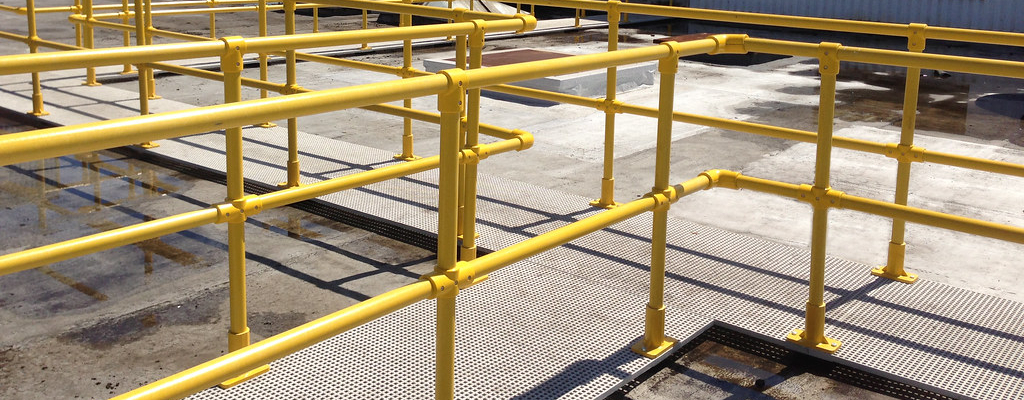
• Environmental conditions – Exposure to moisture, chemicals, coastal environments or heavy industrial use will influence material selection. Stainless steel, aluminium, galvanised steel and GRP each offer distinct advantages depending on the operating environment.
• Durability and maintenance – Long-term performance should be considered alongside initial cost. Corrosion resistance, weathering, expected service life and maintenance requirements all affect whole-life value.
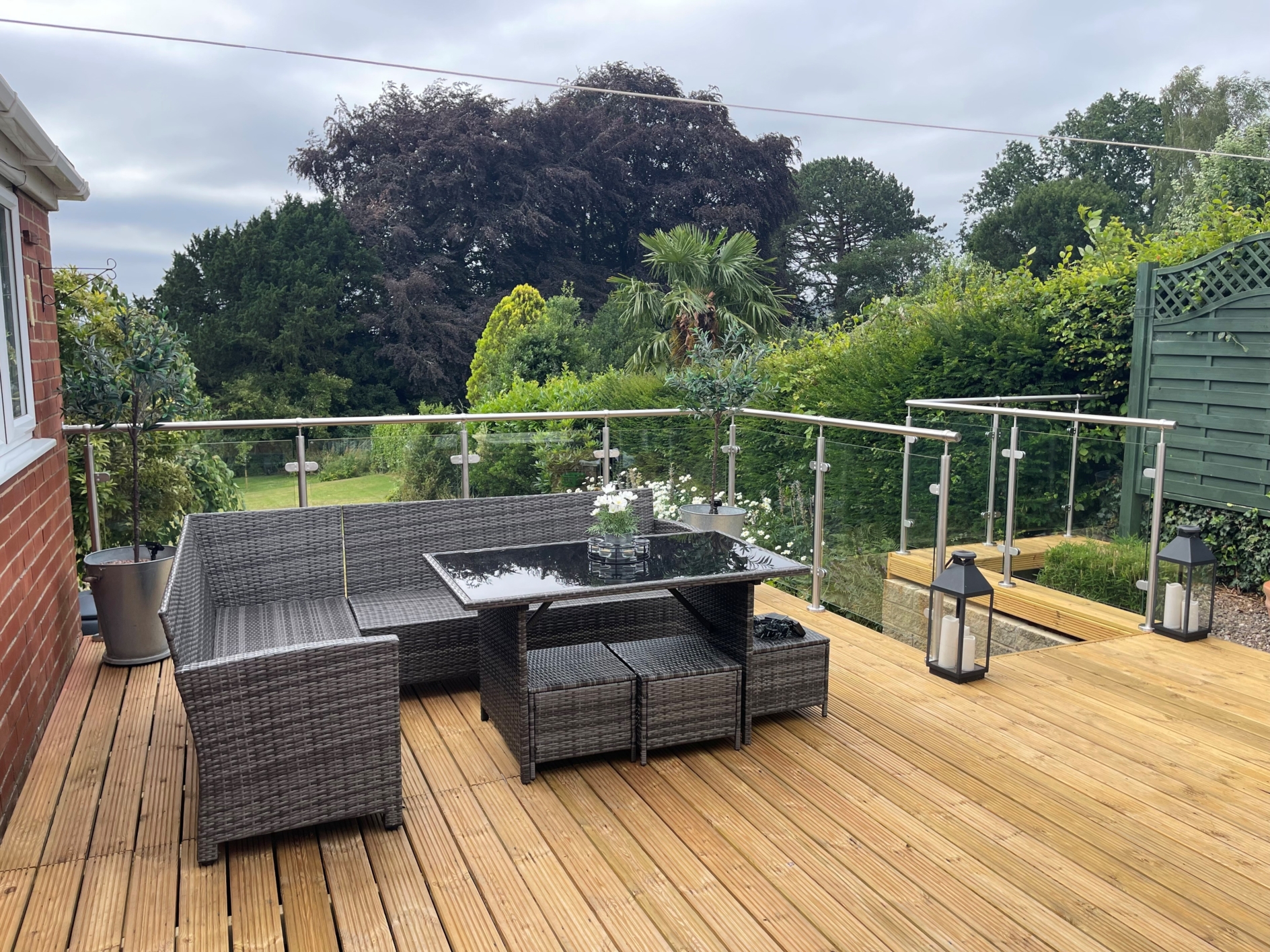
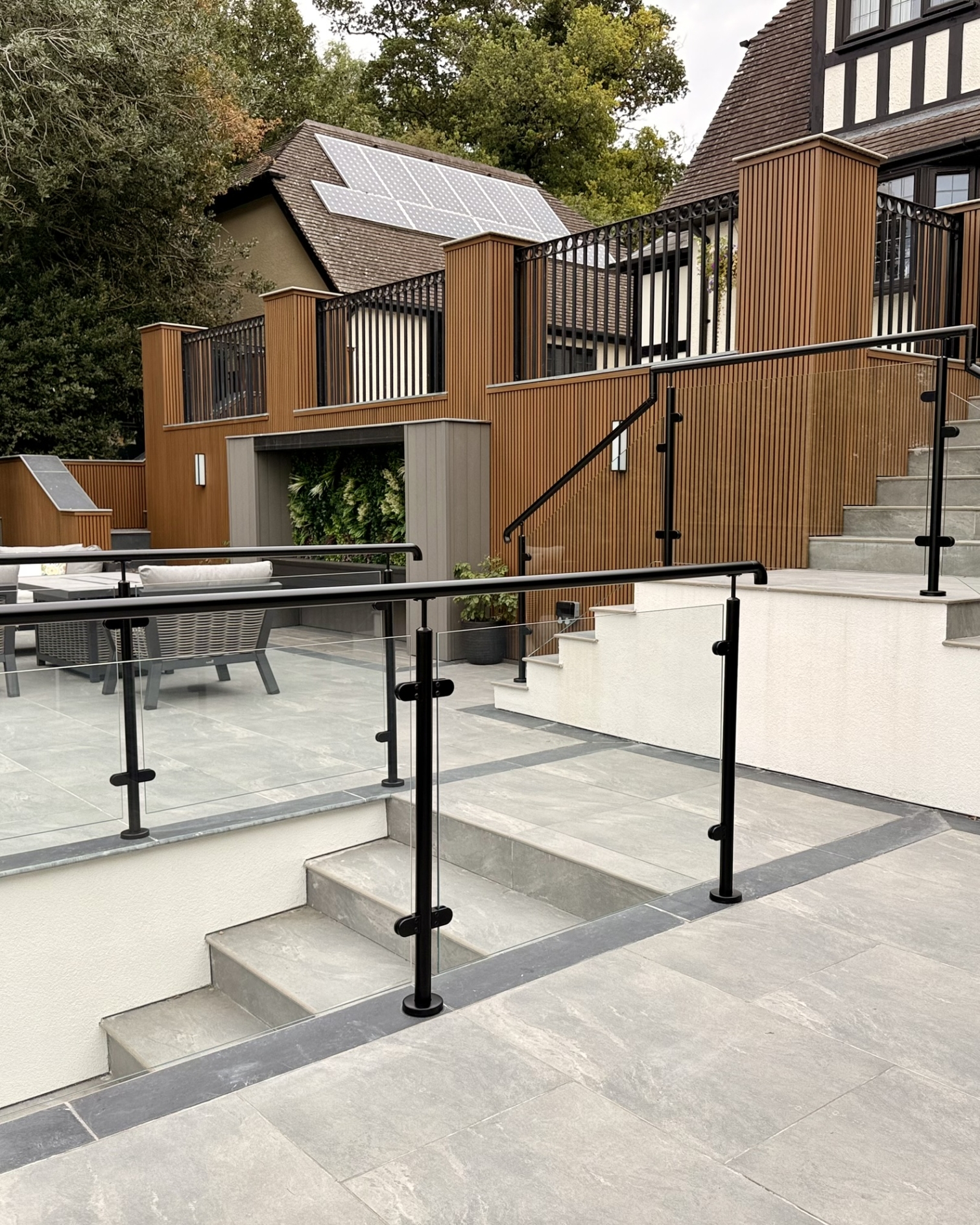
• Appearance and design – The visual character of a project is often just as important as its technical performance. Contemporary developments may favour glass or stainless steel, while traditional schemes may benefit from systems that replicate the appearance of cast iron or architectural steelwork.
• Installation and adaptability – Modular systems, fixing methods and ease of installation can have a significant impact on project timescales and future maintenance. Selecting a solution that’s appropriate for the installation environment helps reduce complexity on site.
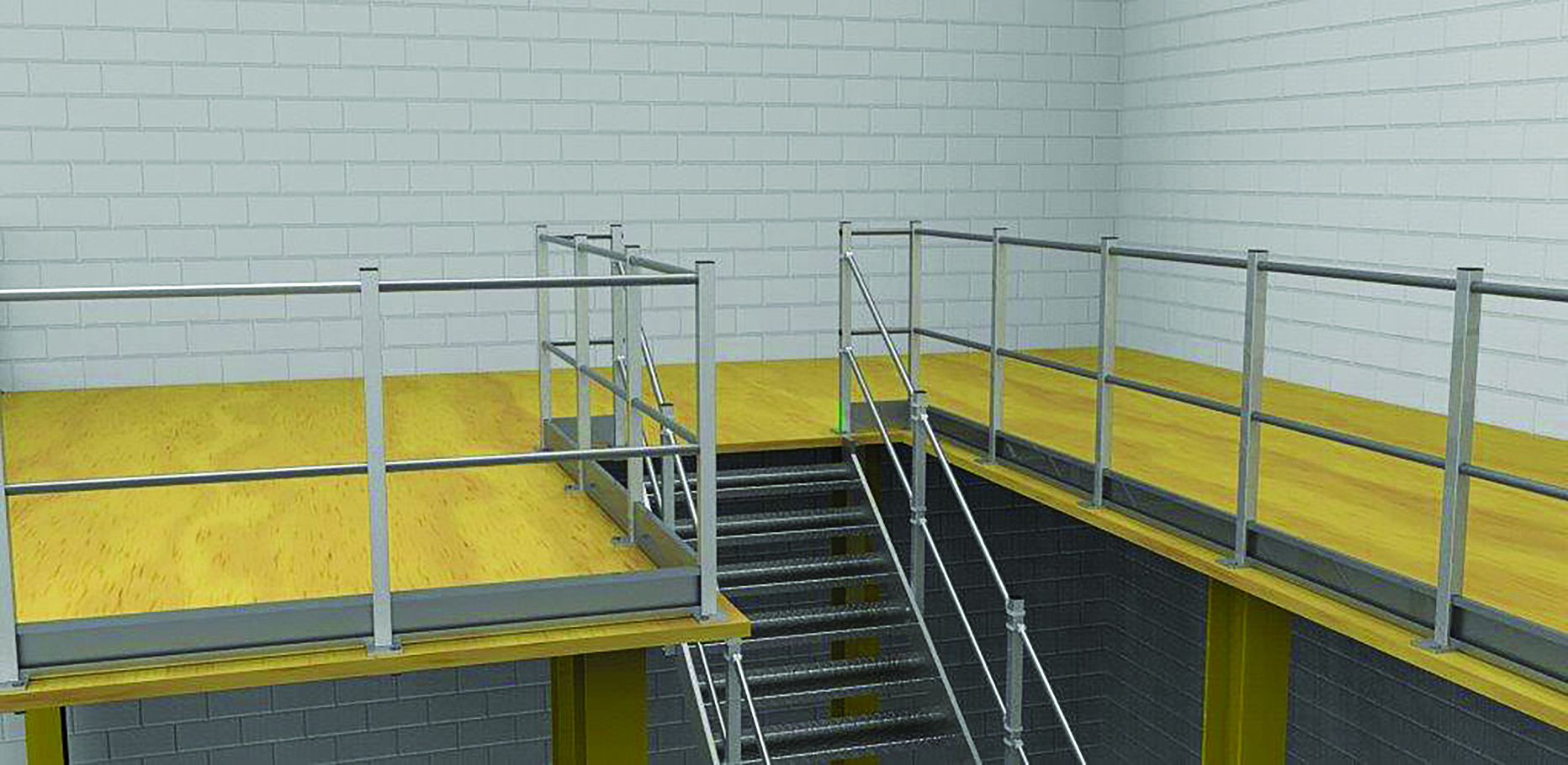
F.H.Brundle supplies a wide range of compliant handrail and balustrade systems to suit virtually every application, including stainless steel and aluminium handrailing, frameless glass balustrades, Cast-A-Rail systems, industrial GRP handrails, mezzanine handrails, steel guardrails and component-based systems. This breadth of choice allows contractors and specifiers to select the most appropriate solution based on performance, compliance and project requirements rather than compromising around a single material or system.
What are the key considerations before specifying a handrail system?
While the same principles of safety and compliance apply across all projects, the priorities often differ depending on whether a system is being specified for residential, commercial or industrial use.
Residential applications: balancing safety and style
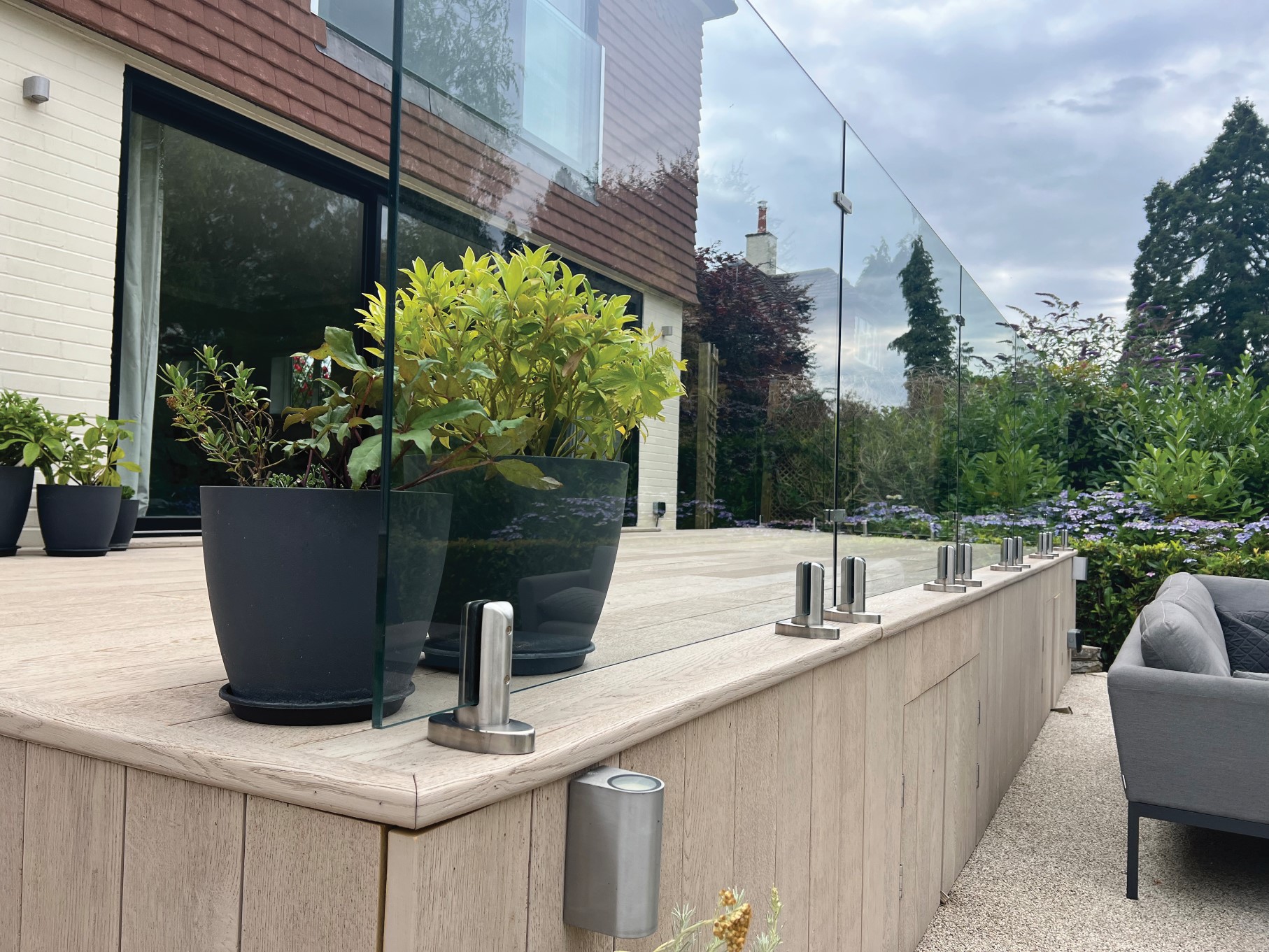
Homeowners typically prioritise appearance, compliance and low maintenance and common applications include staircases, balcony systems, garden terraces, raised decking and internal mezzanines
Glass balustrades remain a popular choice for contemporary homes and outdoor spaces often benefit from durable stainless steel or aluminium systems that withstand the elements with minimal upkeep.
Commercial and industrial applications: meeting performance and compliance requirements
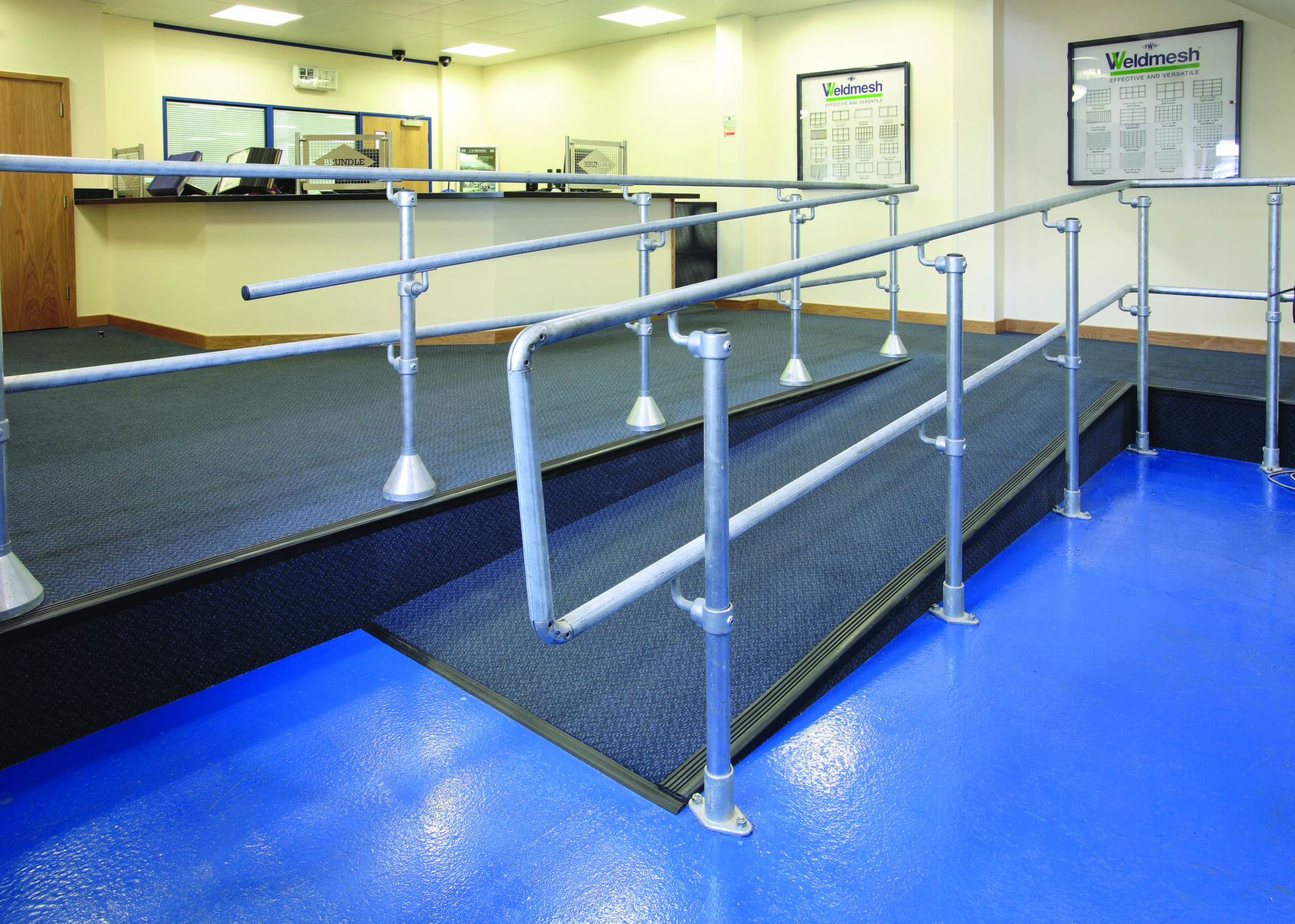
Commercial and industrial projects place greater emphasis on durability, structural performance, regulatory compliance and long-term reliability. Systems may need to withstand high pedestrian traffic, harsh environments or demanding operating conditions, making material selection and compliance with relevant standards particularly important.
Typical applications include industrial facilities, office buildings, schools, hotels and public infrastructure, and solutions such as DDA handrails, mezzanine handrails, GRP systems and handrail standards provide durable, compliant solutions.
Building regulations and standards you need to know
Supporting Compliance at Every Stage
Selecting the right system is only part of the specification process. Compliance with UK Building Regulations and British Standards is equally important to ensure handrails provide the required levels of safety, accessibility and structural performance. The intended use of the handrail, expected pedestrian traffic, location, environmental conditions and loading requirements all influence the system that should be selected.
Our systems are designed to help contractors and specifiers meet the recommendations of key UK standards, including Approved Document K, Approved Document M, tested to BS 6180 and BS 5395.
Approved Document K & Part M
Building Regulations require handrails on accessible routes to provide safe, continuous support and to be suitable for all users. Key design considerations include:
– Handrail heights between 900-1100mm (depending on application)
– Continuous handrails across flights and landings where practical
– Suitable clearances from adjacent walls
– Ergonomic circular or oval handrail profiles for comfortable grip
– Visual contrast to aid accessibility
– Handrail fixings designed to meet the required structural loading
BS 6180 – Barriers In and About Buildings
BS 6180 provides guidance for the design, construction and installation of barriers to protect people from falls around staircases, balconies, walkways, ramps and roof edges. In general, any raised area with an unprotected edge where a fall of more than 600mm could occur, should be protected by a suitable guardrail system.
The required horizontal design load depends on the occupancy and intended use of the building. Typical design loads range from 0.36 kN/m for certain residential applications up to 3.0 kN/m for areas susceptible to overcrowding. Barrier systems should always be selected and verified against the relevant British Standards and project-specific requirements.
When systems are tested to BS 6180 commercial loading and manufactured to defined specifications, contractors and specifiers can install with confidence, knowing the finished assembly is designed to satisfy the requirements of Approved Documents K and M, together with the relevant British Standards, without the need for bespoke structural calculations in many standard applications.
F.H.Brundle also provides comprehensive installation guidance, helping to reduce risk during specification and installation.
Why choose F.H.Brundle?
F.H.Brundle supports contractors, architects, developers and specifiers with:
• Extensive stock availability
• Nationwide supply
• Technical guidance
• Comprehensive handrail kits and component systems
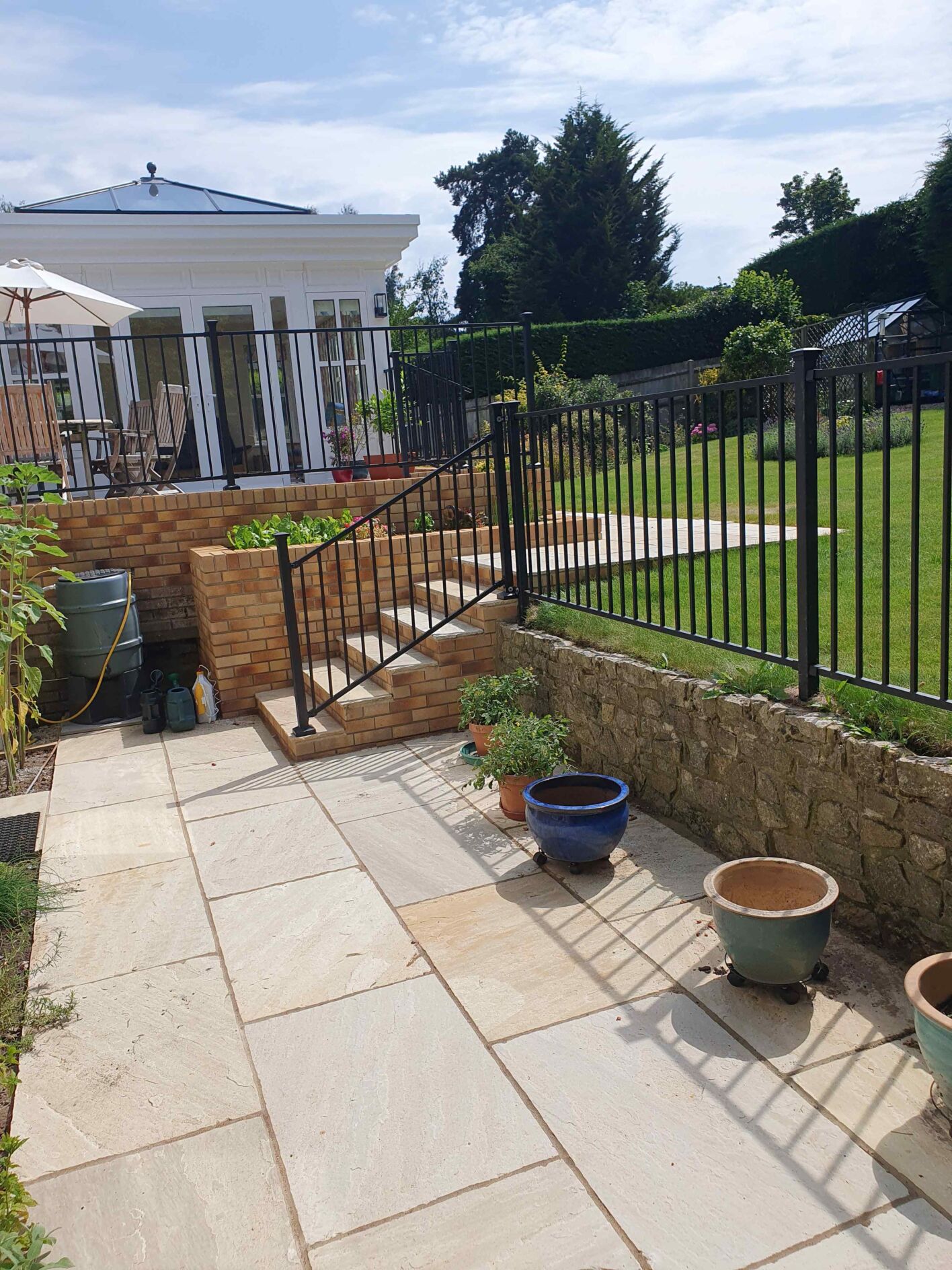
F.H.Brundle offers one of the UK’s most comprehensive handrailing ranges, supported by technical expertise and nationwide stock availability. The range of handrailing systems includes frameless glass balustrades, Cast-A-Rail, Fortitude™ Traditional steel railings, mezzanine handrails, DDA handrails and GRP handrail systems, with per-metre packages available on many ranges to streamline specification and purchasing.
Explore the full handrailing and balustrade range, request your 2026/27 catalogue, or contact the F.H.Brundle team for specification support on your next project.
Project-specific requirements should always be verified against current UK building regulations and confirmed with building control where necessary.